Swiss glaciers lose fifth of their mass in 5 years
Disproportionately affected by climate change, the glaciers have lost 27% of their mass over the past decade as melting accelerates.
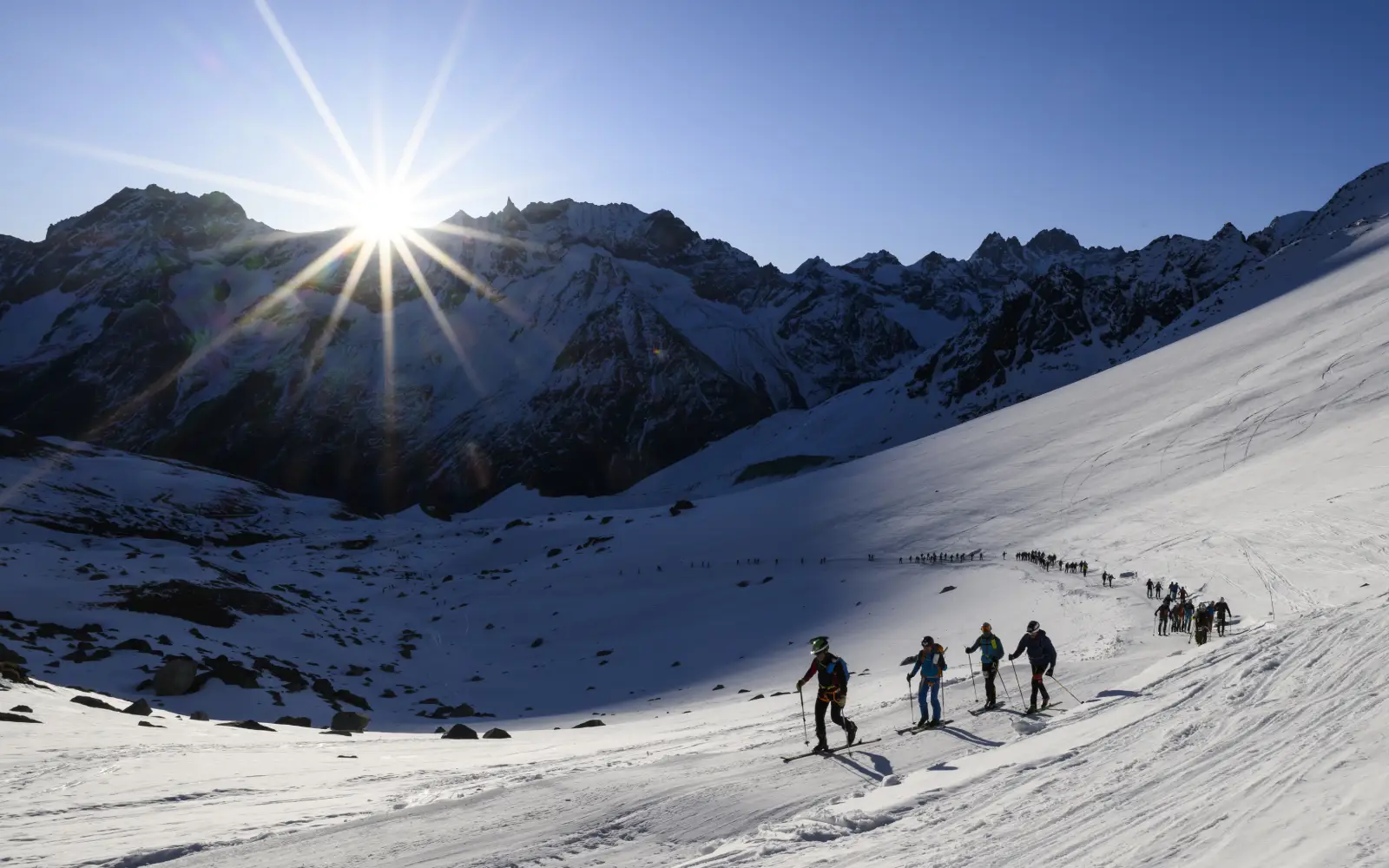
Swiss glaciers have experienced an alarming loss of nearly 20% of their mass over the past five years, according to experts. In 2026, the melt was the second-largest on record, with Swiss glaciers losing 5.5% of their volume this year alone. The Glacier Monitoring in Switzerland (Glamos) network published a study revealing the drastic changes. Matthias Huss, Glamos chief, described 2026 as "a catastrophic year" and warned that some glaciers may not survive for another 10 to 15 years.
During late July, when a measurement stake was installed at the Scex Rouge glacier, it was fully embedded. However, now more than three meters protrude from the ice. Huss expressed concern over the visible rock and dark glacier, marking them as relics from the past. The report highlighted that between 2022 and 2026, the melt rate at Swiss glaciers was more than twice as high as any previously monitored five-year period, with almost 20% of ice volume lost since 2021.
Climate change has intensified the melt, with Switzerland's glaciers losing significant amounts of ice each year. In the past decade, 27% of the ice volume disappeared, compared to 10% between 1990 and 2000. The summer of 2026 was the hottest on record since measurements began in 1864, with June, July, and August experiencing unprecedented heat. As the protective snow cover on glaciers disappeared early, the glaciers lost around 2.2 trillion liters of water between July and September.
Record melting was observed in four major glaciers, including the Rhone and Aletsch Glaciers. While the 2026 melt did not surpass the record set in 2022, the overall loss of ice thickness was considerable. Some glaciers lost up to 10 meters of thickness due to the high temperatures and reduced snowfall. The retreat of glaciers raises concerns about future water resources, as around 2.2 trillion liters were lost during the summer months.
Written by urgent.news from Free Malaysia Today's reporting — not their text. Machine-written — may contain errors; check the original before relying on it.
This story
This is one outlet's version. Read the fullest account.
- Swiss glaciers lose fifth of their mass in 5 years freemalaysiatoday.com
- Swiss glaciers lose over 5% of ice volume in 2026 as heat waves, low winter snow accelerate thaw winnipegfreepress.com