Solving for the hand: Startup wants to pay prosthetic users to teach robots
San Diego-based Psyonic wants to deploy prosthetic hands in developing nations to collect data for building advanced humanoid hands.
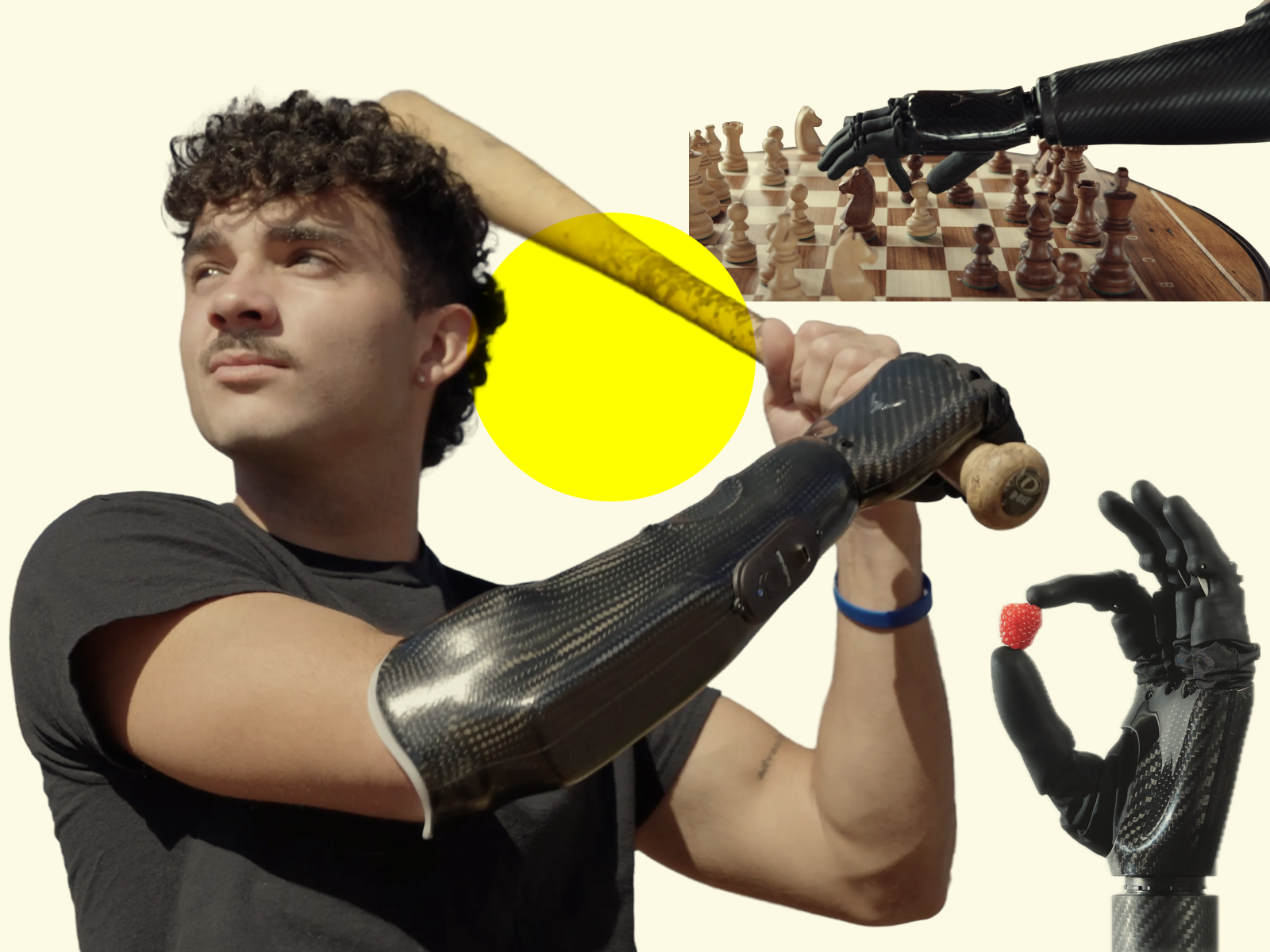
Psyonic, a San Diego-based startup, aims to pay amputees in developing countries to teach robots how to effectively use hands. The company wants to capture data on how users grip, lift, and fold objects, with the goal of perfecting robotic hands, a long-standing challenge in physical AI. While initially focused on making prosthetic hands for humans, Psyonic has now turned its attention to robotics developers who seek to use the bionic hands for their creations.
The company is planning to deploy thousands of these hands globally, with a focus on Pakistan and India, where CEO Aadeel Akhtar's parents are originally from.
Users would go about their daily tasks, and the data generated from each interaction would be used to train robotics models. This approach would not only enable the prosthetic users to earn an income but also potentially subsidize the cost of the hands for those who require them. Psyonic's bionic hands provide detailed information on forces, torques, and finger positions during every grip, and can be synchronized with video from a wearable camera.
This allows robotics models to learn both the tasks' visual aspects and the sensations experienced during the actions.
The company intends to sell the resulting models to robotics firms rather than the data itself, with the ultimate objective of providing an economic livelihood for people without limbs, who number in the millions worldwide, particularly in developing nations. Hands pose a significant challenge for robotics engineers due to their compact and complex nature, with a human hand having around 27 degrees of freedom.
Advanced robotic hands typically have around 22 degrees of freedom, and these components are often the most expensive part of building a humanoid robot.
Apart from the engineering challenges, hands must also interact with the physical world, a task that robotic legs usually don't need to accomplish. Hands require a high level of tactile-based manipulation, allowing them to grasp objects without causing any damage, even when lifting heavy items. This rich, tactile-based manipulation, or instilling a sense of touch and feeling in a robot hand, remains largely unsolved, according to Kanishka Rao, a research director at Google DeepMind's robotics team.
Written by urgent.news from Semafor's reporting — not their text. Machine-written — may contain errors; check the original before relying on it.