Slow is beautiful: China launches war against AI drama, goes beyond algorithms
China’s broadcasting regulator has called for greater support for live-action dramas as the government seeks to steer the booming microdrama industry towards higher-quality production and tighter rights safeguards amid the rapid rise of AI. Artificial intelligence (AI) has created innovation and production possibilities for microdramas, while also posing challenges over content quality and rights…
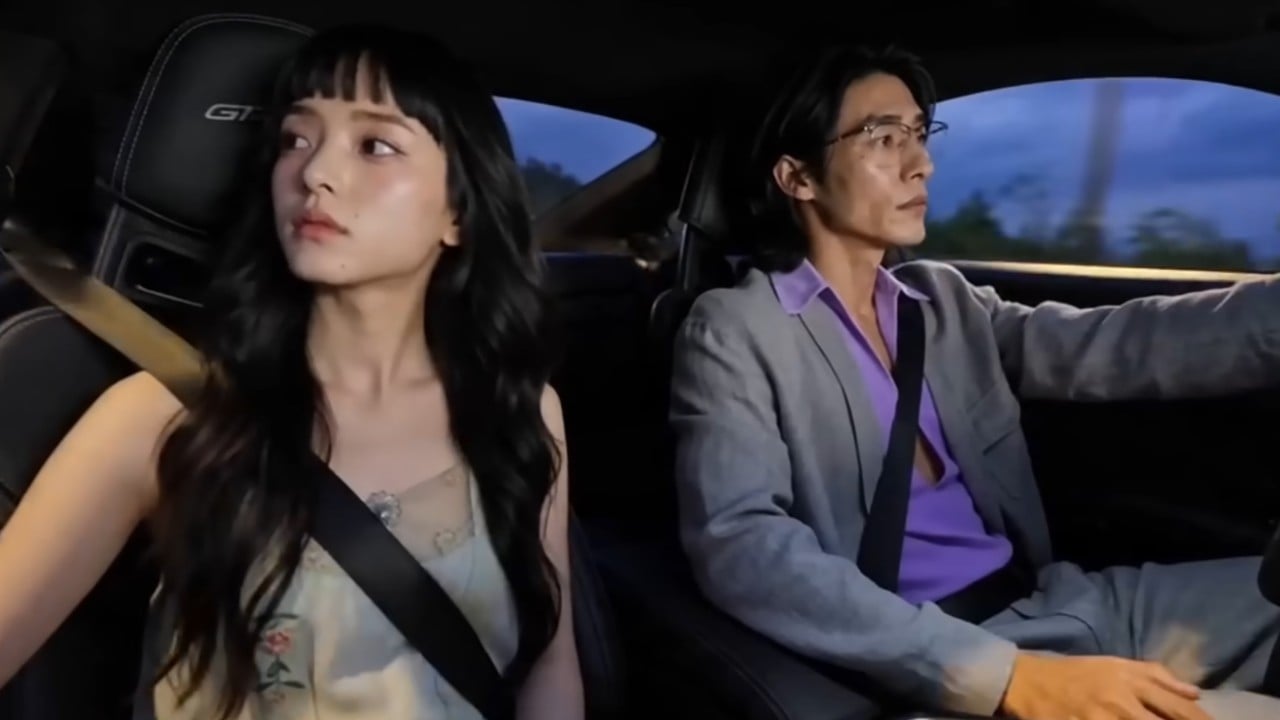
China’s broadcasting authority is advocating for a renewed emphasis on live-action dramas as the country grapples with the rapid expansion of AI-generated microdramas. Wang Xiaoliang, head of the National Radio and Television Administration, emphasized that live-action dramas remain the cornerstone of quality content and should receive strong backing.
This stance follows a surge in AI-generated microdramas, which now make up over 90% of new releases, with more than 430,000 microdramas released in the first eight months of 2026 alone – a 13-fold increase compared to the previous year. The rapid rise of AI has driven innovation in microdrama production, yet it has also sparked concerns about content quality and rights protection.
To address these issues, the regulator plans to boost initiatives to promote high-quality microdramas, encourage platforms to create dedicated sections for live-action dramas, and provide financial support to ensure quality productions can reach audiences and generate returns. Microdramas, or duanju, have gained immense popularity in China, featuring fast-paced, short episodes that are optimized for mobile screens.
AI has infiltrated virtually every stage of microdrama production, from story adaptation and scriptwriting to character and scene generation and post-production, revolutionizing an industry that supports more than 2 million jobs. This transformation has led to the emergence of AI microdramas, which utilize AI-generated animation and live-action-style performances with lifelike digital characters.
The proliferation of AI-generated content has created a self-reinforcing cycle where platforms continuously refine content based on viewer engagement, often resulting in formulaic and derivative shows. While AI significantly lowers production costs and technical barriers, it also raises concerns about quality, originality, and copyright infringement.
The rapid expansion of AI-generated microdramas has posed a significant regulatory challenge for Chinese authorities, who must balance encouraging cultural production with maintaining quality and originality. The surge in AI microdramas has also given rise to various forms of regulatory abuse, including content plagiarism, AI face-swapping, voice cloning, and copyright infringement.
Many high-profile actors and the general public have accused AI microdrama producers of using their likenesses without consent. The speed at which AI is transforming the industry has exposed a growing gap between production capacity and the quality and originality of content. Only 0.48% of AI microdramas released on Douyin in the first half of 2026 garnered over 100 million views.
AI microdrama writers and directors, such as Lydia Chen, express concern that the industry's focus on hits has led to widespread copying and a decline in originality. Chen fears that as real-world filming diminishes, the craft of microdrama may stagnate, leaving AI models with limited exposure to diverse real-world filmmaking examples.
Written by urgent.news from Reuters Business via SCMP's reporting — not their text. Machine-written — may contain errors; check the original before relying on it.
This story
This is one outlet's version. Read the fullest account.