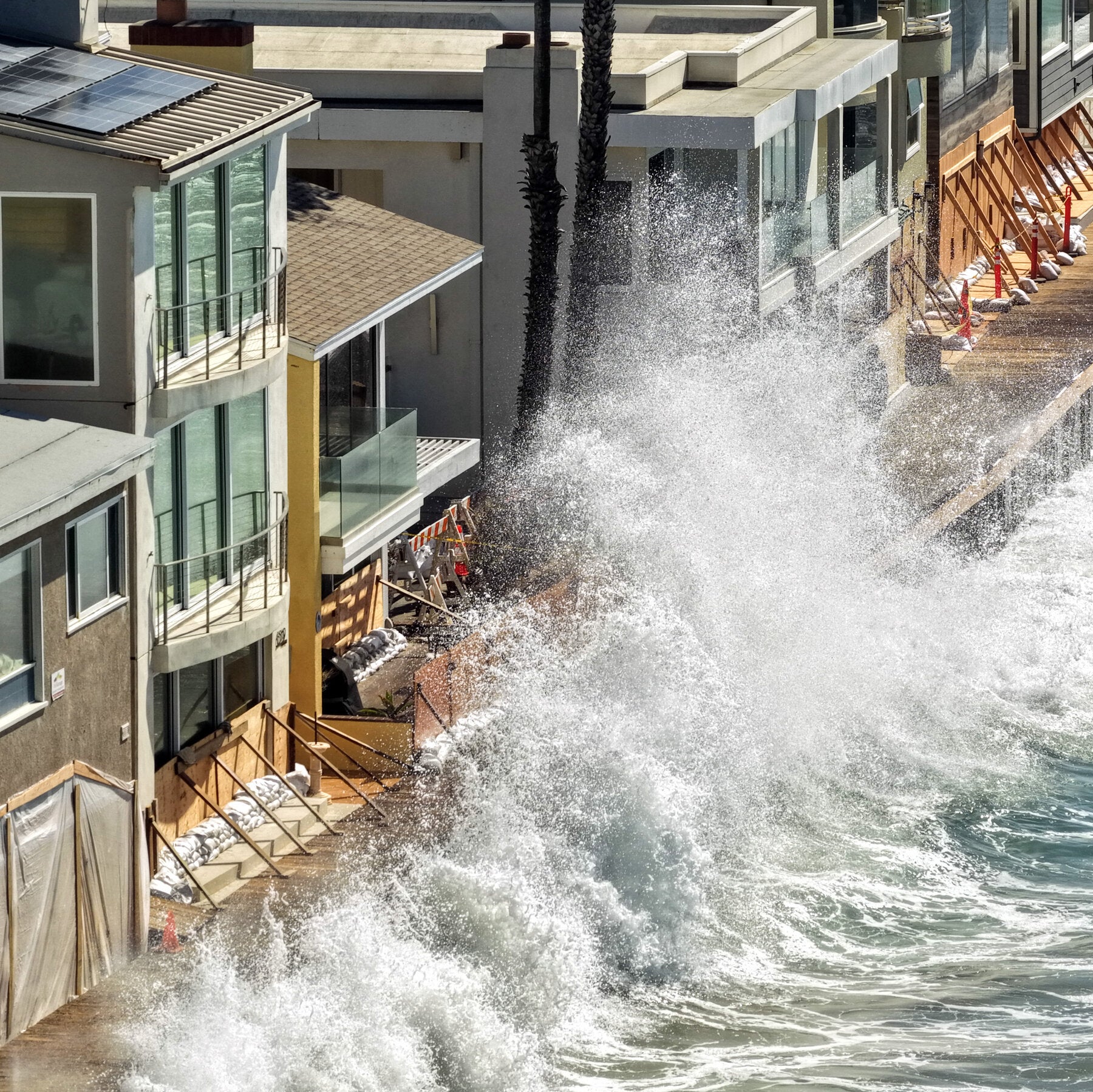
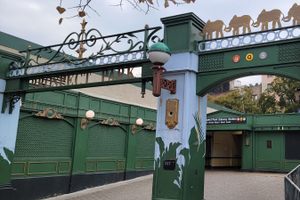
Site of the Malbone Street Wreck in Brooklyn, New York
The Malbone Street wreck was the worst catastrophe in the history of the New York City subway system and the worst train crash in New York State. Almost 100 people died—an exact number was never determined—and around 250 riders injured, roughly half of the passengers. Many factors contributed to the Malbone Street wreck; mechanical deficiencies, circumstantial events, human error. Despite the…
The Malbone Street wreck, deemed the worst catastrophe in the history of New York City's subway system and the worst train crash in New York State, claimed nearly 100 lives with around 250 injured passengers. Contributing factors included mechanical deficiencies, circumstantial events, and human error. Despite the magnitude of the disaster, it wasn't officially memorialized until a century later.
The city changed Malbone Street's name to Empire Boulevard just a month after the accident, erasing even a verbal reminder of the event.
The accident occurred on November 1, 1918, involving the Brooklyn Rapid Transit (BRT) company's privately-owned trains running on wooden cars on tracks without timed signals or automatic braking systems. The train operator, Antonio Edward Luciano, a union-represented motorman, had limited experience and was busy dealing with personal issues like a recent daughter's death. His train had the two lighter, top-heavy trailer cars in the middle, a potentially dangerous arrangement.
When Luciano reached the junction at Fulton and Franklin streets, the tower operator couldn't identify the train due to a blown indicator light, leading to an eight-minute accidental detour onto Fulton Street. The train then had to reverse direction, likely causing Luciano to rush and fail to stop at the Consumers Park station. The train's speed was reportedly five times the six miles-per-hour limit at the Serpentine Curve in the tunnel just before the Prospect Park station, leading to the fatal derailment.
Despite the chaos, a remarkable number of passengers survived the crash, which ripped apart carriages, leaving twisted iron, splintered wood, and flying glass. The rescue efforts, delayed by the sound of the crash being heard blocks away but not immediately recognized, were slow and arduous. No one was held criminally responsible, but the aftermath led to the BRT's bankruptcy and the eventual installation of safety systems such as timed signals and automated braking, though many improvements were slow to be implemented.
Written by urgent.news from Atlas Obscura's reporting — not their text. Machine-written — may contain errors; check the original before relying on it.