Sidra introduces 2 specialised therapies for children with high-risk neuroblastoma
To close Childhood Cancer Awareness Month this September, Sidra Medicine has marked two significant milestones in paediatric cancer care, following the introduction of two specialised therapies for c...
In the final days of Childhood Cancer Awareness Month, Sidra Medicine has reached two important milestones in paediatric cancer care, introducing specialised therapies for children with high-risk neuroblastoma. The Pediatric Haematology, Oncology and Hematopoietic Stem Cell Transplant (HSCT) teams have administered naxitamab (Danyelza) for the first time in the Gulf Cooperation Council (GCC), followed by dinutuximab beta (Qarziba) in Qatar.
Both anti-GD2 monoclonal antibody therapies are used in treating high-risk neuroblastoma, a cancer that affects babies and young children, typically before their fifth birthday. Dr Chiara Cugno, Acting Division Chief of Pediatric Haematology and Oncology at Sidra Medicine, highlighted the extensive preparation and collaboration required to introduce these complex therapies.
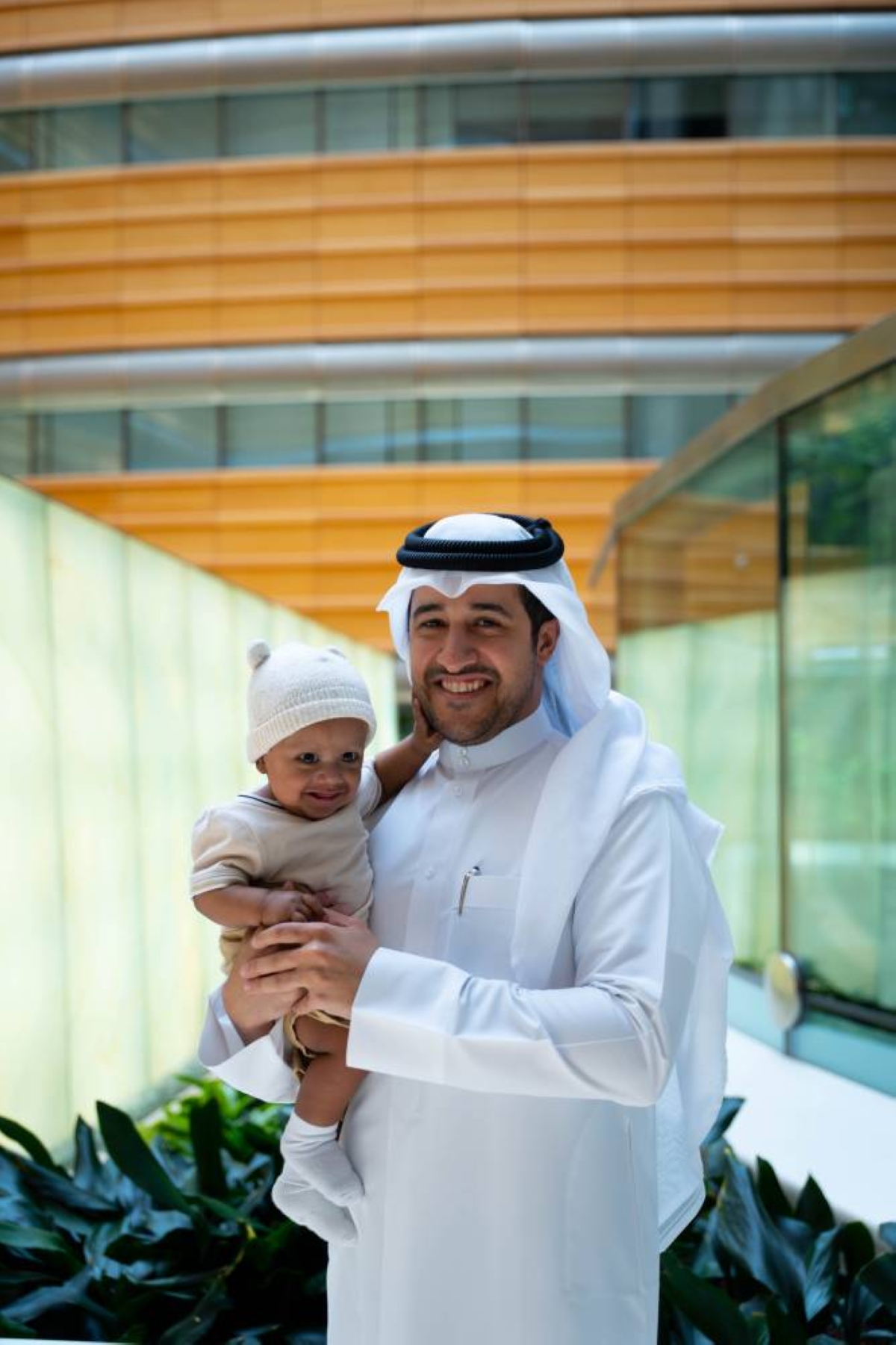
These therapies were successfully administered to two patients following stem cell transplantation, demonstrating Sidra Medicine's commitment to advancing paediatric cancer treatment and care, and expanding access to specialised therapies for children and families in Qatar. Issa, diagnosed with neuroblastoma at birth, was the first patient in Qatar and the GCC to receive naxitamab (Danyelza) as part of his treatment regimen, which also included chemotherapy and autologous transplantation.
Issa's father praised the team for their high international standards of care and emphasized the importance of optimism and emotional support for families facing childhood cancer.
Written by urgent.news from Gulf Times's reporting — not their text. Machine-written — may contain errors; check the original before relying on it.