Shift to lifelong income from lump-sum withdrawals strengthen retirement security – EPF
KUALA LUMPUR: Shifting to lifelong income, from lump-sum withdrawals, would strengthen retirement security as Malaysians live longer, said the chief executive officer of the Employees Provident Fund (EPF) Ahmad Zulqarnain Onn.
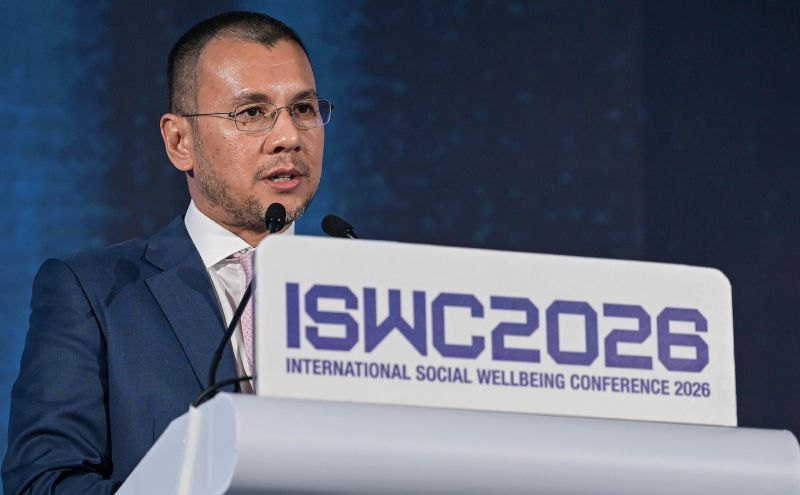
KUALA LUMPUR: EPF chief executive officer Ahmad Zulqarnain Onn emphasized that transitioning from lump-sum withdrawals to lifelong income would enhance retirement security for Malaysians, given the increasing life expectancy. During the closing remarks at the International Social Wellbeing Conference (ISWC) 2026, Zulqarnain stressed that addressing retirement security goes beyond pensions and must encompass income security, healthcare, work, and community factors.
At the conference, discussions highlighted the society's readiness for longer lives, the identified gaps, and the necessary trade-offs. Zulqarnain pointed out that longevity policy cannot be confined to a single policy area; instead, it should be approached from various angles such as ensuring lifetime savings generate income that endures, making pension schemes fairer and more inclusive, promoting health and longevity through preventive measures and healthier habits, and integrating aspects like neighborhoods, infrastructure, healthcare, digital systems, and communities to support extended lifespans.
Governments must take a more proactive role, particularly in long-term care and guaranteeing basic income security. Regarding the EPF's agenda, Zulqarnain first emphasized the need to shift from the current lump-sum withdrawal system to ensuring lifetime income security. Acknowledging the system's challenges, he noted the members' attachment to it and aimed to assist them in converting their lifetime savings into a dependable income source throughout their lives.
The second priority was to address the coverage gap, as only around 60% of the workforce is currently covered. Informal sector workers, day laborers, older workers, and women who take on caregiving roles often face exclusion from adequate protection, according to Zulqarnain. The third objective was to provide continuous support to members beyond retirement, involving earlier and more consistent engagement, collaboration with partners in health, housing, elderly care, and implementing changes gradually and transparently to maintain public trust.
The fourth priority focused on advocating for labor market reforms to improve wages for Malaysian workers, as the country's labor share of GDP is relatively low compared to many other nations, with far-reaching consequences. Zulqarnain concluded by reiterating the long-term commitment to fulfilling promises for current and future generations.
Written by urgent.news from New Straits Times's reporting — not their text. Machine-written — may contain errors; check the original before relying on it.