Sensex falls over 20% in dollar terms in 2026 as weak sentiment, rupee drag returns
The benchmark Sensex and Nifty have both experienced significant declines in dollar terms this year. Foreign investors have been less interested in Indian equities due to various global factors. The rupee's depreciation has further amplified losses for overseas investors converting Indian investments. Despite the downturn, strong domestic mutual fund inflows have offset foreign portfolio outflows…
In 2026, the Sensex has plummeted over 20% in dollar terms, marking the steepest decline in 15 years. This steep drop is attributed to the weakening Indian rupee, which has intensified losses for foreign investors. The Nifty index has also suffered a significant decline of 18.6% in dollar terms, placing it among the second-worst performers among major global markets.
Foreign investors closely monitor the performance of overseas markets in dollar terms due to the typical measurement of portfolio returns in US currency. The rupee's depreciation negatively impacts returns when Indian investments are converted back into dollars. Pratik Gupta, CEO of Kotak Institutional Equities, attributes the poor year-to-date returns to weak sentiment towards Indian equities.
The rupee has depreciated by 6.4% this year, exacerbating the situation. Foreign investors have been exiting Indian equities since September 2024 due to slower earnings growth, shifting focus towards AI-driven markets like South Korea and Taiwan, US tariffs, and heightened oil prices following the West Asia conflict. The last time both indices witnessed such a sharp decline was in 2011, when they fell nearly 36% each in dollar terms.
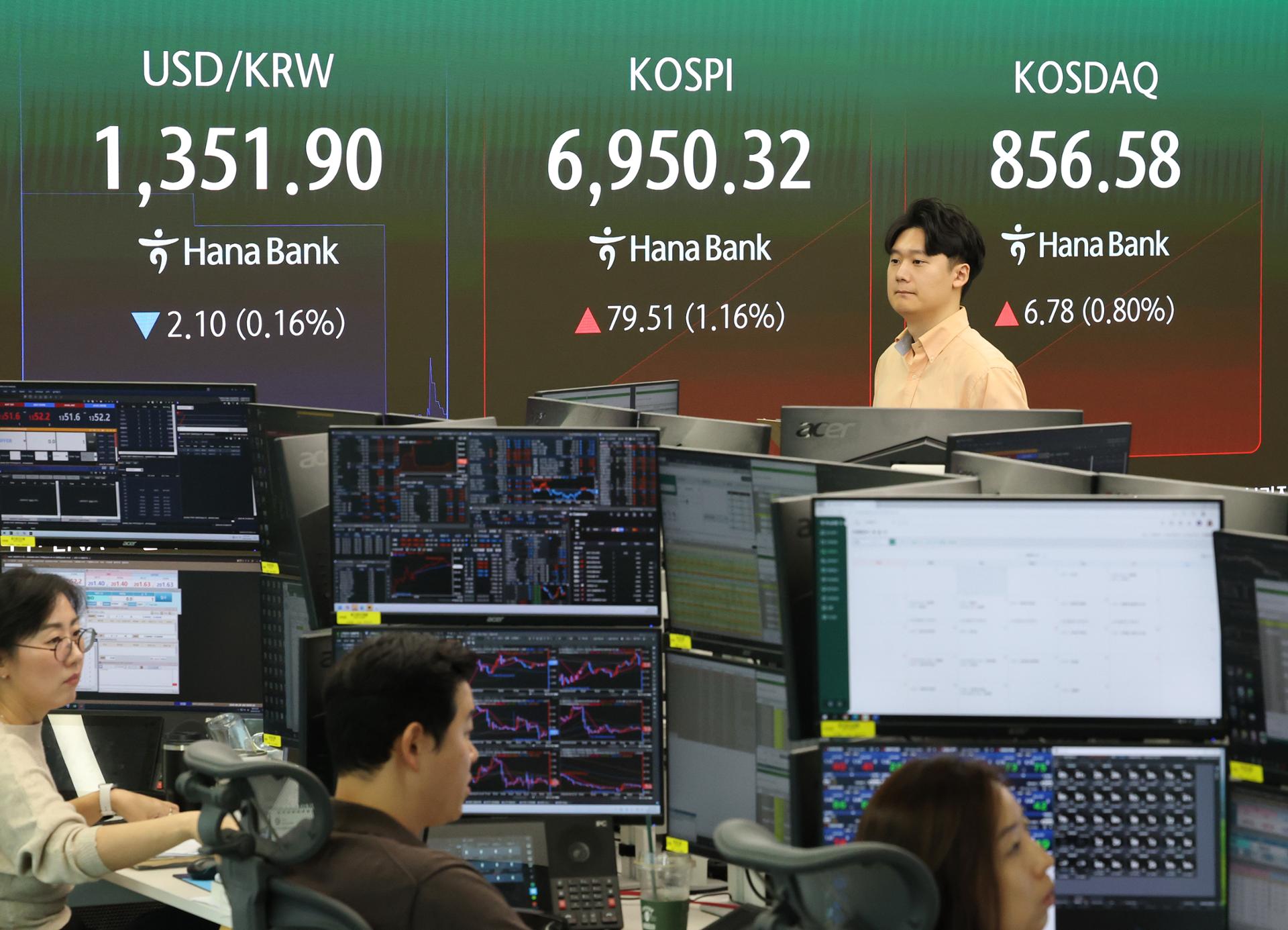
In contrast, global markets have largely outperformed Indian equities. The US S&P 500 has gained 12.2%, while the Nasdaq and Dow Jones have risen 15% and 7%, respectively. European markets, including the FTSE 100 and CAC 40, have seen gains of 6% and losses of 4%, respectively. Asian markets, too, have largely outperformed Indian equities, with Japan's Nikkei up 30%, Hong Kong's Hang Seng down 6%, and China's Shenzhen index up 0.8%. Taiwan and South Korea's Kospi have seen gains of 61% and 72%, respectively.
Despite a 20% decline in the Sensex in dollar terms, the market has been somewhat shielded from a sharper drop due to strong domestic mutual fund inflows. However, the market's resilience may depend on continued investor support and a more favorable market sentiment. The Sensex's dollar-denominated market capitalization has shrunk by more than $372 billion so far in 2026, with Reliance Industries, HDFC Bank, and TCS recording significant declines.
Written by urgent.news from The Economic Times - Top News's reporting — not their text. Machine-written — may contain errors; check the original before relying on it.