Scientists identify a new penguin species for the first time in more than 100 years
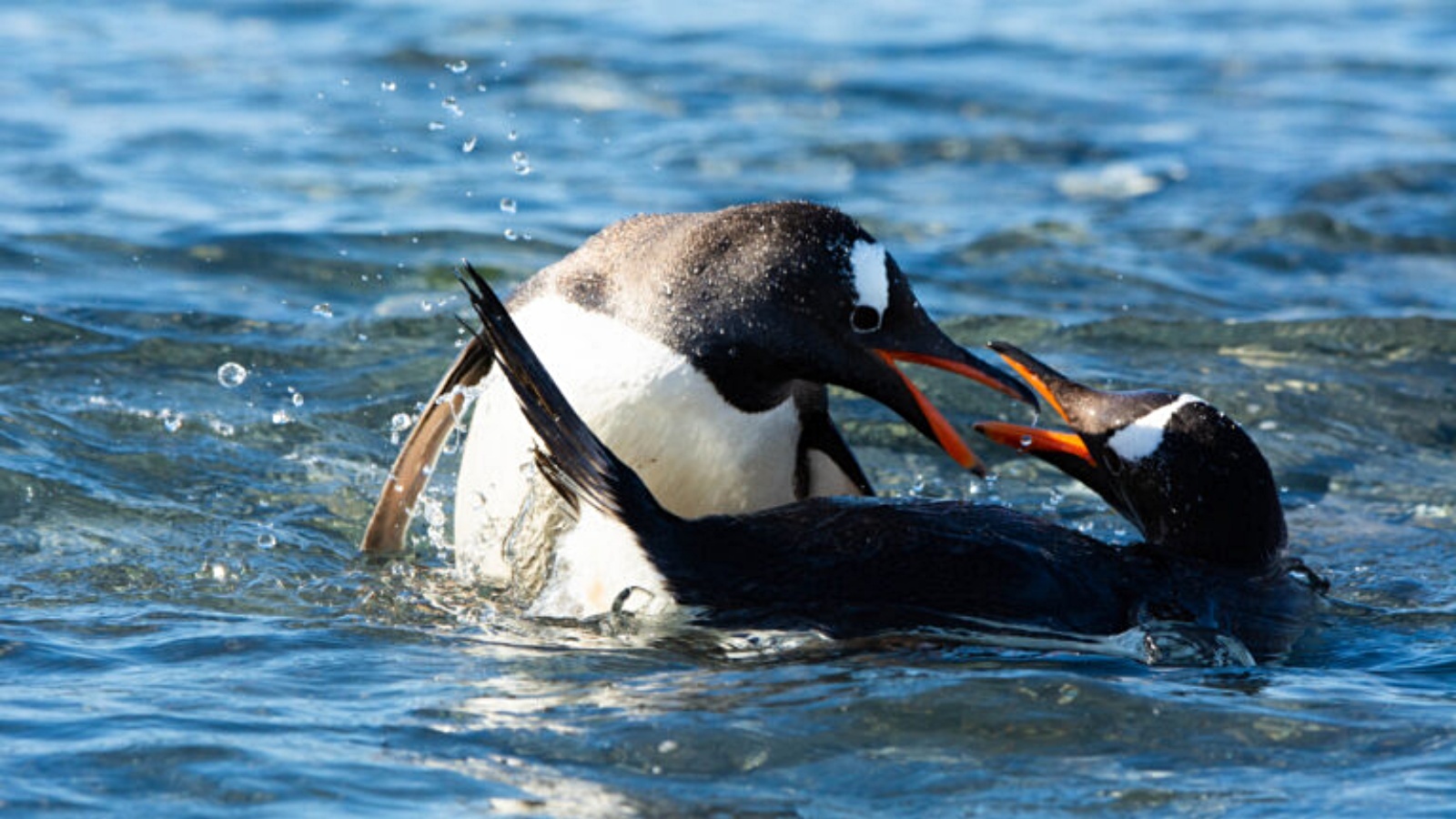
After more than a century of study, scientists have announced the discovery of a new penguin species, the southeastern gentoo penguin. This identification was not based on visibly distinct physical traits, but rather on genetic analysis revealing previously unrecognized differences among gentoo penguin populations. The new species, officially named Pygoscelis kerguelensis, inhabits the remote Kerguelen Islands in the Indian Ocean, approximately 1,200 miles north of Antarctica.
For years, gentoo penguins were classified as a single species across various regions of the Southern Ocean. However, a comprehensive genomic study published in the journal Communications Biology in 2026 has revealed that gentoo penguins are actually comprised of four distinct species. The study, led by researchers from the University of California, Berkeley and several Chilean institutions, sequenced the genomes of 64 penguins from ten breeding colonies across the gentoo penguin's entire range.
The analysis distinguished four separate species: the northern gentoo (Pygoscelis papua), the southern gentoo (Pygoscelis ellsworthi), the eastern gentoo (Pygoscelis taeniata), and the newly identified southeastern gentoo (Pygoscelis kerguelensis). Known as a "cryptic species," the southeastern gentoo shares a striking resemblance to its closely related counterparts but possesses unique genetic markers.
The four species are believed to have diverged genetically approximately 300,000 to 500,000 years ago, with geographic isolation and environmental factors contributing to their evolution. The Antarctic Polar Front, a boundary separating different water masses in the Southern Ocean, likely played a role in keeping certain populations apart.
Gentoos are opportunistic feeders, consuming a variety of prey such as fish, krill, squid, and cuttlefish, and they tend to remain near their breeding colonies throughout their lives. This limited range and consistent diet likely facilitated the accumulation of genetic differences over generations, allowing populations to adapt to their specific environments.
Interestingly, the southeastern gentoo was not entirely unknown to science. Specimens of this penguin were collected on Kerguelen Island in 1897 and other specimens from the islands date back to the 19th century. Despite these prior collections, researchers had not recognized the penguins as a distinct species until now. The discovery highlights the potential for unrecognized biodiversity within well-studied groups and underscores the importance of genomic analysis in clarifying species boundaries.
Written by urgent.news from The Indian Express's reporting — not their text. Machine-written — may contain errors; check the original before relying on it.
This story
This is one outlet's version. Read the fullest account.