Savings from triple lock pension reform to take over a decade
Planned reforms to the triple lock on pensions will need 14 years before delivering savings worth more than £10bn, new government analysis has shown, as the Prime Minister admitted there was a “shortfall” in plans to fund a new National Care Service. At his flagship Labour conference speech on Tuesday, Andy Burnham announced that he [...]
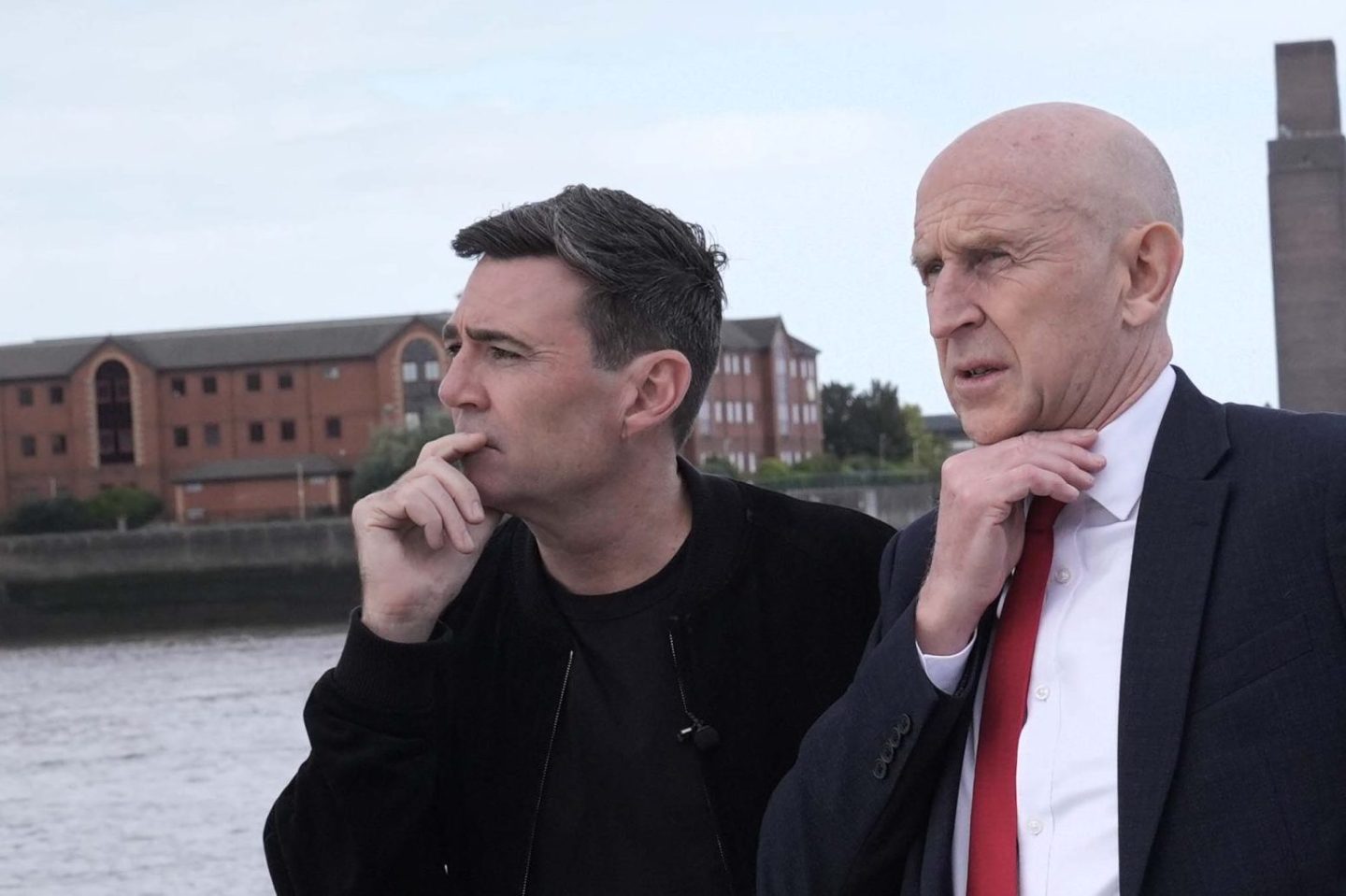
Government analysis reveals that implementing changes to the triple lock pension system will take over a decade to generate savings exceeding £10bn, as the Prime Minister acknowledged a "shortfall" in funding plans for a new National Care Service. On Tuesday, Labour's Andy Burnham announced modifications to the triple lock pension, proposing to align it with inflation or 2.5% annually, while ensuring long-term alignment with wage growth.
The current system bases state pension increases on the highest of inflation, wage growth, or 2.5%. New analysis by the Department for Work and Pensions indicates that, in monetary terms, the government will save £15bn annually by 2040. However, accounting for inflation, the yearly savings are projected at around £11bn. Institute for Fiscal Studies director Helen Miller expressed uncertainty about the feasibility of these savings.
The proposed Labour pledge, dependent on Burnham's continued leadership post-election, aims to fund a publicly-funded social care service but faces challenges due to the "shortfall" in funding. The Prime Minister admitted that addressing this shortfall might necessitate further tax increases to bolster health and care spending. The universal social care service in England would cost an extra £18bn annually by 2035, as reported by the Health Foundation in early 2024.
Burnham's admission that reforms to the triple lock won't entirely fund the new social care service may reignite speculation about the Prime Minister's potential review of other taxes to address the £7bn funding gap. Economists warn that Burnham may need to consider raising personal taxes, such as inheritance tax (IHT) and income tax, to finance social care commitments.
Jonathan Cribb of the Institute for Fiscal Studies emphasized that canceling an unfunded increase doesn't generate funds for new commitments, implying that tax hikes or spending cuts will be required to cover the social care costs. Andrew Wishart, a senior UK economist at Berenberg, pointed out that the Prime Minister's acknowledgment of the unachievable goal while maintaining the manifesto pledge to avoid personal tax rate hikes suggests that addressing the middle-income earners or raising VAT could be the next steps.
However, wealth managers and advisers express concerns about potential increases in inheritance tax, particularly since many are anticipating higher tax rates from April 2027 when the threshold for the tax is set to rise.
Written by urgent.news from City AM's reporting — not their text. Machine-written — may contain errors; check the original before relying on it.