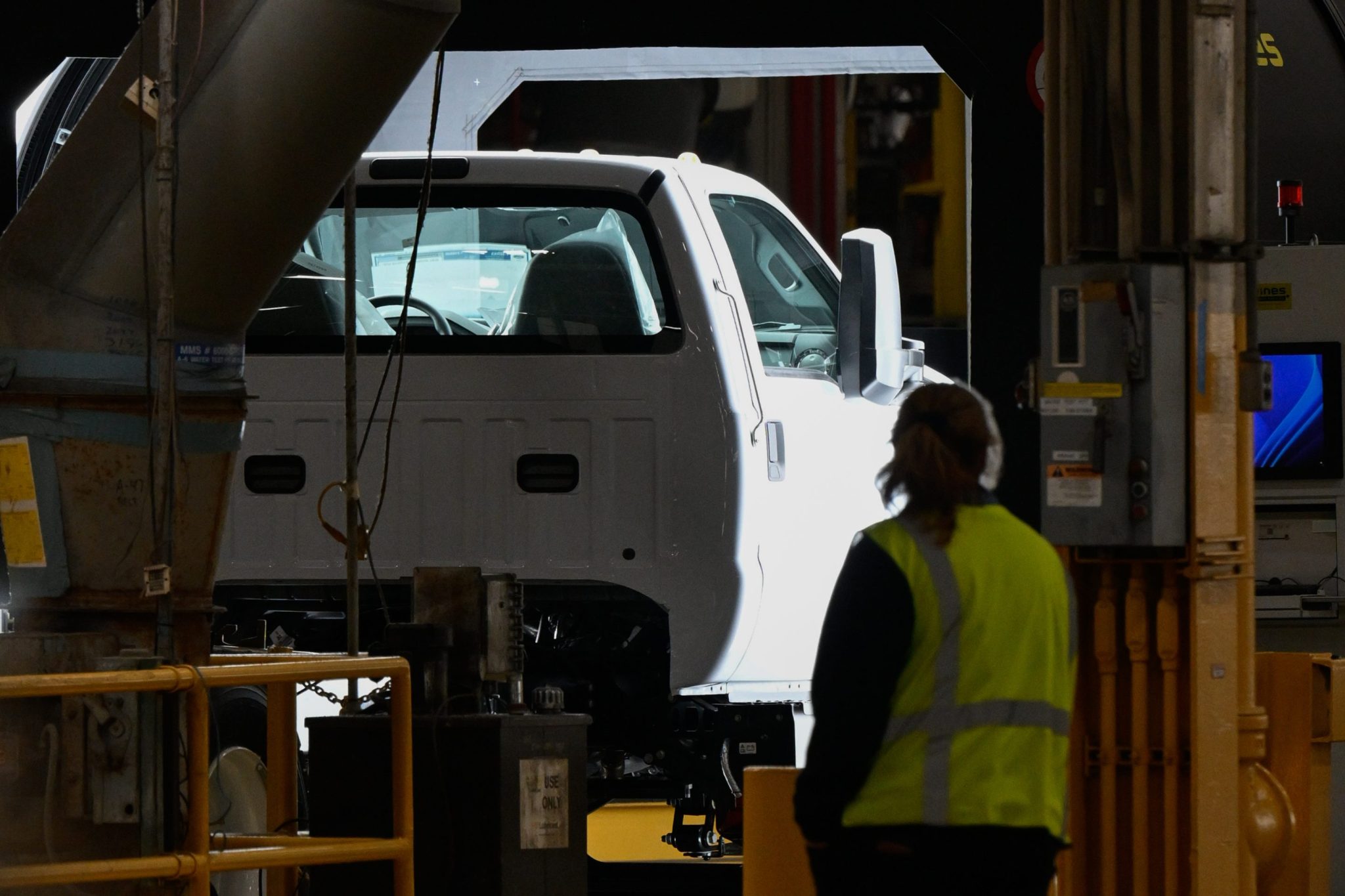
Sarawak hydrogen market viability still unproven, says analyst
PETALING JAYA, Sept 30 — Putrajaya should think twice about extending incentives to Sarawak’s hydrogen secto...
Analyst Samirul Ariff Othman from Global Asia Consulting warns that extending incentives to Sarawak’s hydrogen sector may not be wise until there is proof of a viable market. He points out that while Sarawak has the capability to produce hydrogen, the crucial factor is whether there are enough buyers willing to pay a commercially viable price.
The issue is particularly relevant after the state requested more Budget 2027 support for clean energy and other high-value industries. The main problem with hydrogen is not its production in Sarawak, but whether there is sufficient demand at a price that makes the business sustainable. A production advantage matters only if there are enough customers to buy the hydrogen.
Previous attempts at hydrogen projects in Sarawak, such as the H2biscus and H2ornbill projects, were scaled down due to weak demand signals and uncertainty about securing buyers. The Japanese market is also a concern, as the delivered cost in Japan is around RM50 per kg, which is significantly higher than the below RM20 per kg that Sarawak can produce it for.
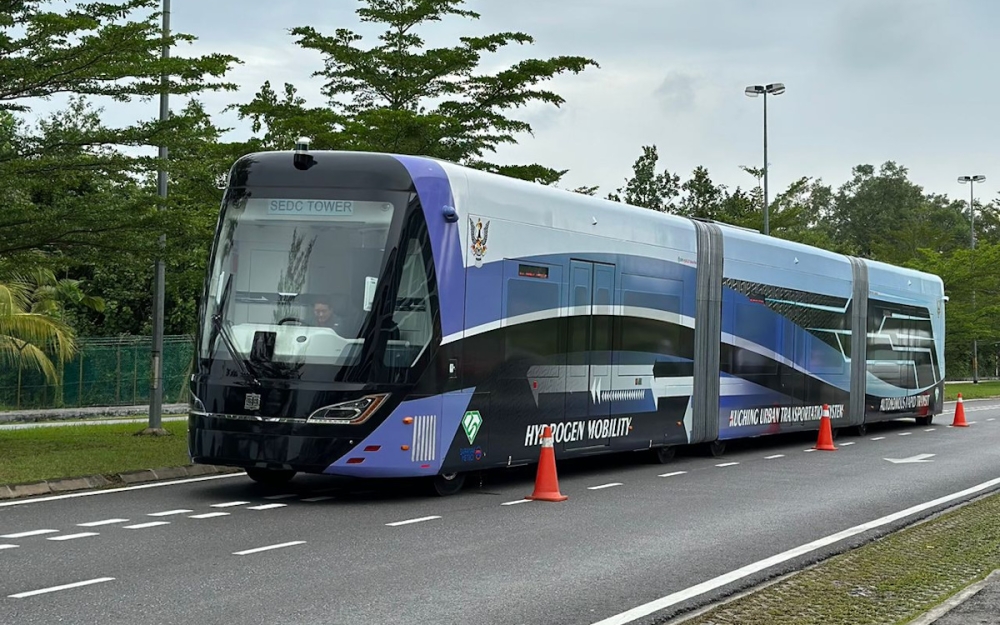
This makes the proposed export to Japan unviable without subsidies. While incentives may help an otherwise viable investment get through, if the market is not yet there, the government needs to be more cautious to avoid risking taxpayers' money. Domestic demand in Sarawak is also being boosted through the Kuching Urban Transportation System, which plans to have around 38 hydrogen-powered ART vehicles and 55 hydrogen feeder buses.
However, this model essentially has the state buying from itself, and it does not establish value for money. Samirul notes that while some technologies and projects already have customers and proven economics, for others, it would be better to see real buyers, binding offtake agreements, and a clear idea of when the industry can stop depending on the government to create demand before more support is provided.
He emphasizes that each hydrogen-related product, such as hydrogen, ammonia, and methanol, has different processing requirements and markets, requiring their own business cases. The wider question is how Sarawak can convert its resource wealth into lasting productive capacity, and the 2026 state budget allocates RM1 billion for ART infrastructure and systems.
Samirul suggests that emerging industries should show a credible path to a return on investment, as capital has alternative uses.
Written by urgent.news from Malay Mail's reporting — not their text. Machine-written — may contain errors; check the original before relying on it.
This story
This is one outlet's version. Read the fullest account.