Regretting your purchase? Heres how to return Amazon orders in 2026.
If you fall victim to Prime Day impulse buys, have a broken item, or order duplicates, here's how to return Amazon items in 2026.
Amazon's user-friendly shopping experience, including fast shipping, a wide product selection, and low prices, attracts many customers. However, the abundance of options can lead to impulsive purchases, often during shopping holidays like Prime Day. If you find yourself regretting an Amazon purchase in 2026, the return process is straightforward.
To initiate a return through Amazon's website, log in and navigate to the "Returns and Orders" section. On the Amazon app, the process is similar: tap the three horizontal lines in the bottom right corner, select "Orders," and then "Return or replace items." Choose the item you want to return, select a reason for the return, and click "Continue." You'll then decide whether to refund the balance to your Amazon account or your debit/credit card, with the latter option usually processing faster.
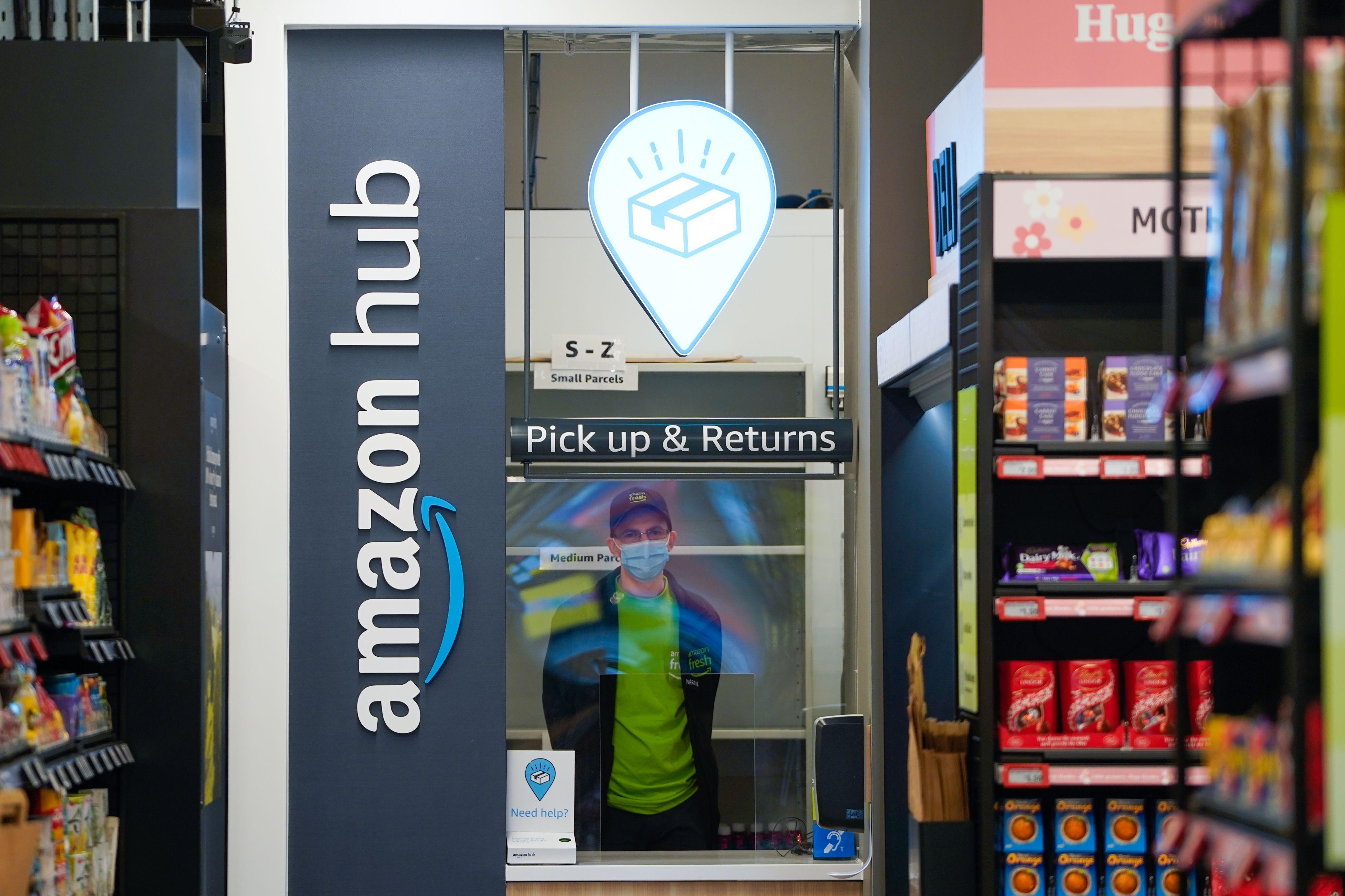
Amazon offers several free return options, such as dropping off items at UPS Stores, Kohl's, Whole Foods, Staples, or Amazon Stores, or scheduling a UPS pick-up for a small fee. The QR code generated during the process allows for easy drop-off. Keep in mind that some locations may charge a $1 fee for UPS returns, and there are exceptions to Amazon's return policy, such as opened luxury items or third-party seller exceptions.
Written by urgent.news from Mashable's reporting — not their text. Machine-written — may contain errors; check the original before relying on it.