Urgent.News

What's breaking now, across thousands of outlets.

Tech

Record price drop: Amazon slashes the Samsung Odyssey G9 to $650

Samsung's 49-inch Odyssey G9 drops 35% off RRP, bringing this super-ultrawide 144Hz gaming monitor to a new low.
Record price drop: Amazon slashes the Samsung Odyssey G9 to $650

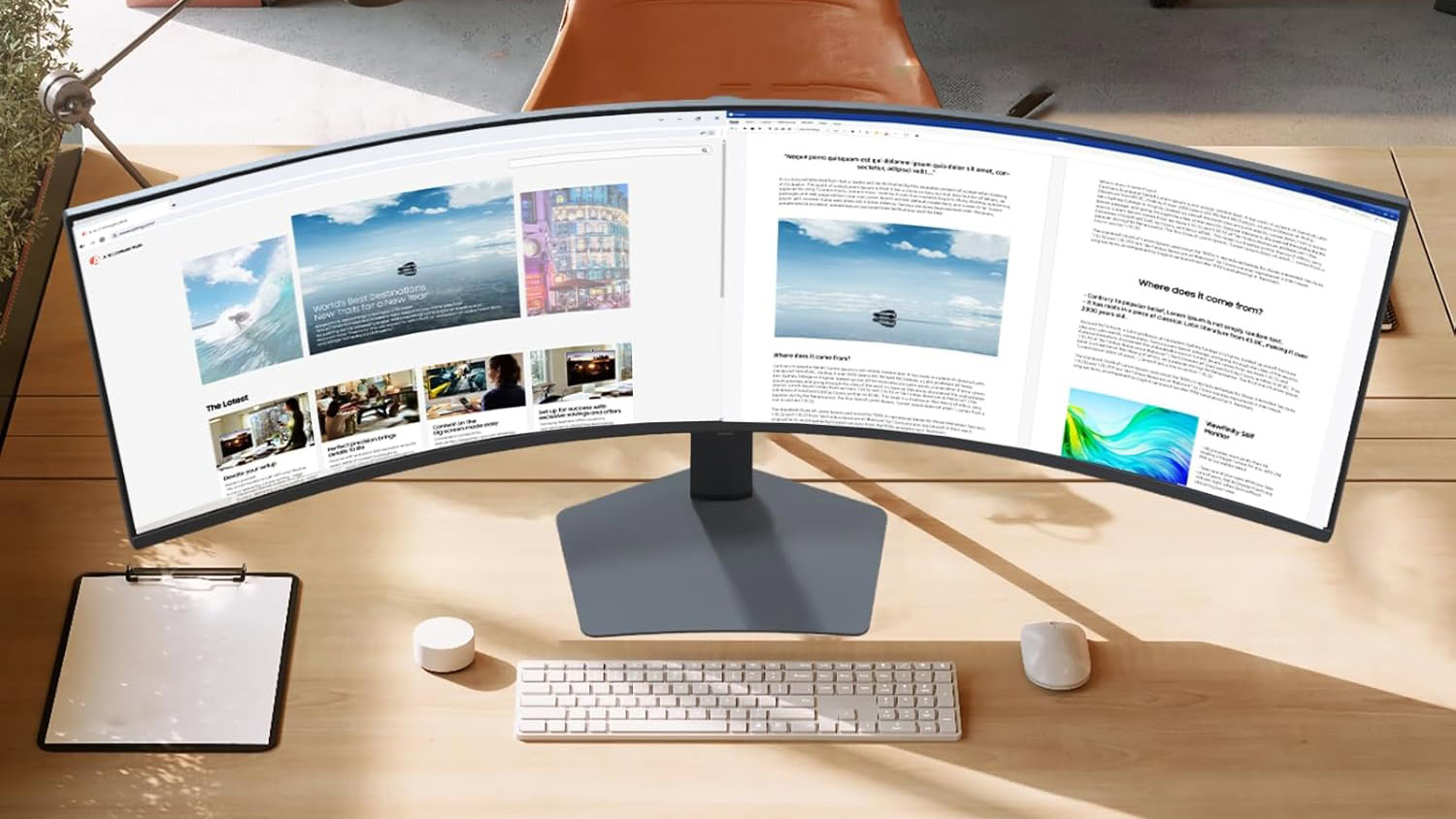
Amazon has slashed the price of the Samsung Odyssey G9 super-ultrawide gaming monitor to $649.99, a substantial 35% discount off its original price of $999.99. This record low price on Amazon represents a $350 saving for buyers. The 49-inch monitor boasts a 32:9 aspect ratio and Dual QHD resolution of 5120 x 1440, effectively replacing two 27-inch QHD screens side by side.

Its 1000R curve wraps the screen around your field of view, ideal for racing games and multitasking, while the 144Hz refresh rate and 1ms response time ensure smooth visuals. The monitor also supports AMD FreeSync Premium Pro and HDR600 capability. With a solid 4.4-star rating from Amazon shoppers, the Samsung Odyssey G9 is a worthwhile investment for anyone in need of a versatile and high-performance display.

Written by urgent.news from Android Authority's reporting — not their text. Machine-written — may contain errors; check the original before relying on it.

This story

This is one outlet's version. Read the fullest account.
Read the original at androidauthority.com →

More in Tech

Why Your Date Shows 1970: Unix Timestamps in Seconds vs Milliseconds

Why Your Date Shows 1970: Unix Timestamps in Seconds vs Milliseconds You fetch a timestamp from an API, pass it to new Date(), and the screen says January 20, 1970.

  • Unix timestamps count seconds or milliseconds since Jan 1, 1970
  • Mistakes from treating seconds as milliseconds or vice versa
  • Use appropriate unit in code to avoid incorrect dates

3 Redis Design Failures You Should Avoid Before They Become Production Incidents

Caching is usually introduced for one simple reason: Take pressure off the database and make reads faster. The architecture often looks straightforward: Client | v Application | +----> Redis | +---->…

  • Stale data occurs when cached copy becomes outdated, serving incorrect information to users.
  • TTL balances performance and consistency, but doesn't guarantee immediate freshness.
  • Cache invalidation upon database updates prevents staleness but adds complexity.

More from Wednesday 30 September →