Queen’s Surf Beach in Honolulu, Hawaii
In the 1970s, Queen’s Surf Beach in Waikiki became a popular gathering and organizing space for members of Hawaiʻi’s diverse LGBTQ+ Māhū communities. It was a place where people could relax and be themselves in a society where sexual and gender diversity were just beginning to be openly discussed. Unlike most gay beaches of that era, it was highly visible to the public, emblematic of Hawaiʻi’s…
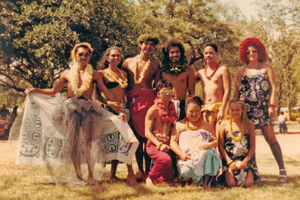
In the 1970s, Queen's Surf Beach in Waikiki became a beloved gathering spot for members of Hawaiʻi's various LGBTQ+ Māhū communities. This beach offered a safe haven for individuals to unwind and embrace their true selves, at a time when discussions surrounding sexual and gender diversity were still in their infancy. Unlike many gay beaches from that period, Queen's Surf Beach was easily visible to the general public, reflecting the relatively progressive attitudes in Hawaiʻi during that era.
However, the popularity of the beach began to wane in the late 1980s due to the rise of HIV/AIDS. As time progressed, the decline continued as smartphone applications emerged, replacing traditional cruising, and as queer individuals grew more comfortable displaying their identities at various beaches. Today, a new generation of young LGBTQ+ individuals are reestablishing Queen's Surf Beach as a vibrant hub for Māhū cultural exchange and camaraderie.
This is made possible through monthly potlucks organized by the Māhūi, a dedicated group within the Hawaiʻi LGBT Legacy Foundation. Marked by a historical plaque generously provided to the City and County of Honolulu by Lei Pua Ala Queer Histories of Hawaiʻi, Queen's Surf Beach remains open to the public, inviting everyone to partake in its welcoming atmosphere.
Written by urgent.news from Atlas Obscura's reporting — not their text. Machine-written — may contain errors; check the original before relying on it.