Profiting from tragic history
Controversies are not always bad for filmmakers. When debate over their work intensifies, public curiosity often grows, prompting people to seek out the film and form their own conclusions. Filmmakers can benefit commercially from such controversies, as viewers flock to theaters. But increased public attention does not always guarantee a film’s commercial success. The more attention a work…
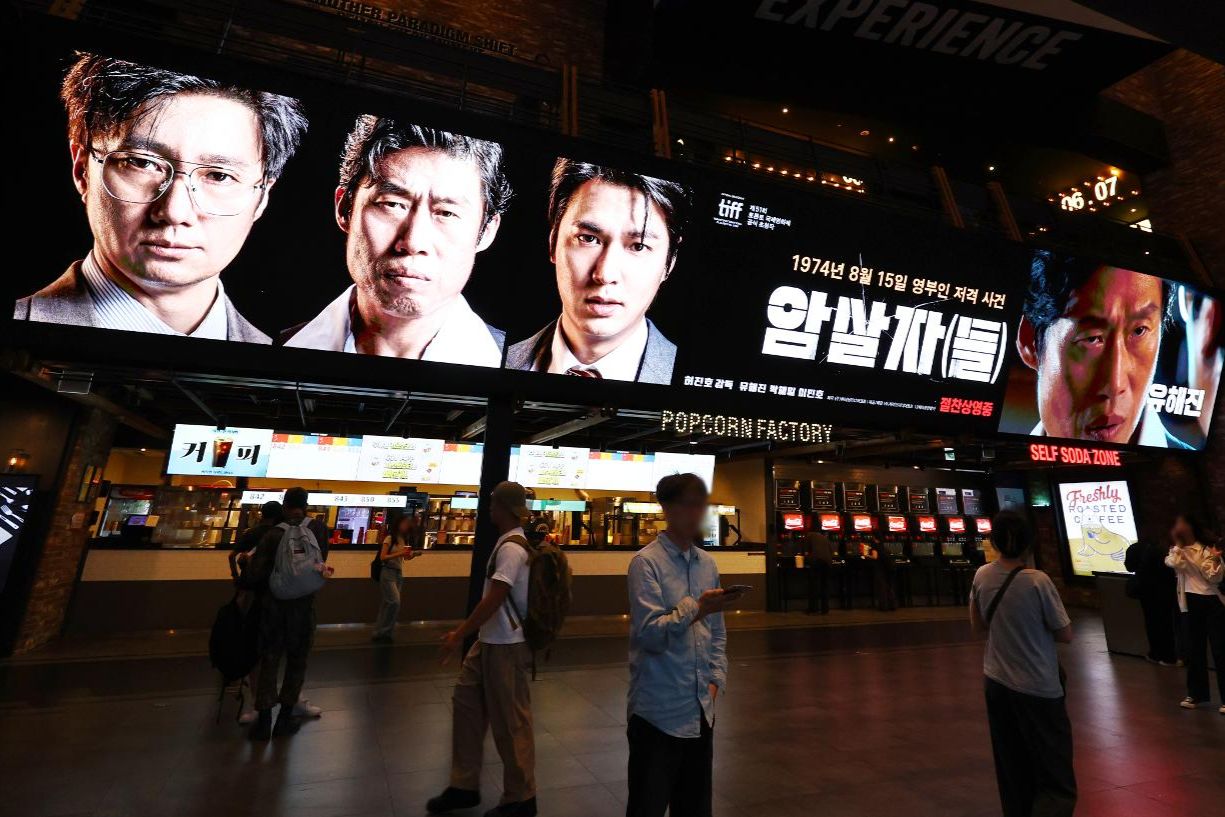
Controversies can be advantageous for filmmakers, as heightened debate surrounding their work often leads to increased public curiosity. Consequently, this heightened interest may drive people to watch the film in question, forming their own opinions. The commercial success of a film, however, is not solely dependent on the level of controversy it generates.
In fact, increased attention also tends to bring about greater scrutiny, which could expose any flaws present in the production. Award-winning filmmaker Hur Jin-ho's latest movie, "The Assassin(s)," is currently facing such scrutiny. Since its release coinciding with the Chuseok holiday, the film has been embroiled in controversy.
Hur Jin-ho presents an alternative narrative regarding the assassination of the first lady Yuk Young-soo, who was killed on August 15, 1974. Yuk was the wife of former President Park Chung-hee and the mother of the current president's predecessor, Park Geun-hye. She was shot dead by Moon Se-gwang, a Korean Japanese individual who was believed to have ties to North Korea, during a ceremony commemorating Korea's liberation from Japanese colonial rule, a century and a half prior.
Written by urgent.news from The Korea Times's reporting — not their text. Machine-written — may contain errors; check the original before relying on it.
Also reported by 1 other outlet
- Profiting from tragic history koreatimes.co.kr