Price controls may look attractive, but costs often only emerge later: PM Wong
Consumers may benefit from price controls initially, but over time, suppliers may have less incentive to produce or invest, says the prime minister.
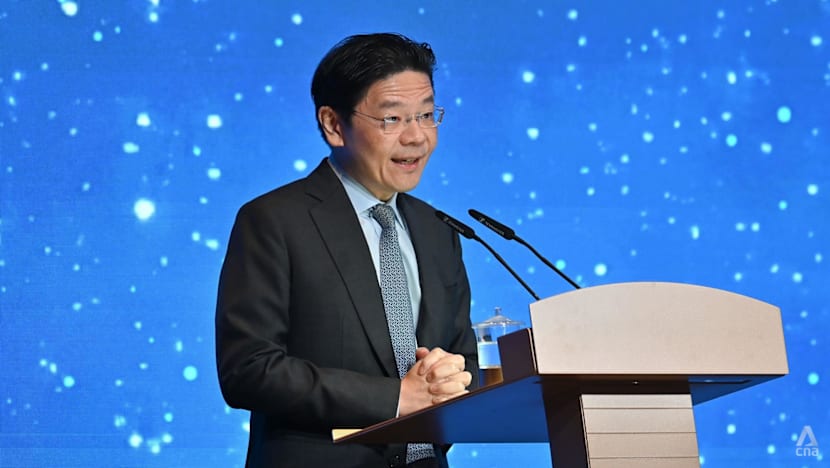
Price controls might initially help consumers, but they can lead to reduced production and investment by suppliers in the long run, according to Singapore's Prime Minister Lawrence Wong. Speaking at the Economist Service's 25th anniversary dinner, Wong explained that artificially low prices could create shortages, making the original problem even more challenging to address.
He cited rent controls and food price caps as examples of such controls that discourage the supply of rental units and lead to shortages. Wong also warned about potential fiscal burdens and the possibility of investments moving to other countries. He emphasized the need for careful diagnosis of problems, understanding of created incentives, recognition of costs and trade-offs, and consideration of second- and third-order consequences.
Wong urged economists to uphold discipline in policymaking and to speak up when analysis points to uncomfortable conclusions.
Written by urgent.news from CNA - Singapore's reporting — not their text. Machine-written — may contain errors; check the original before relying on it.
This story
This is one outlet's version. Read the fullest account.
- Price controls may look attractive, but costs often only emerge later: PM Wong channelnewsasia.com