Pinda Perlembagaan atau mansuh Akta Hasutan
Akta Hasutan perlu dinilai semula dalam kerangka kebebasan bersuara dan Keluhuran Perlembagaan.
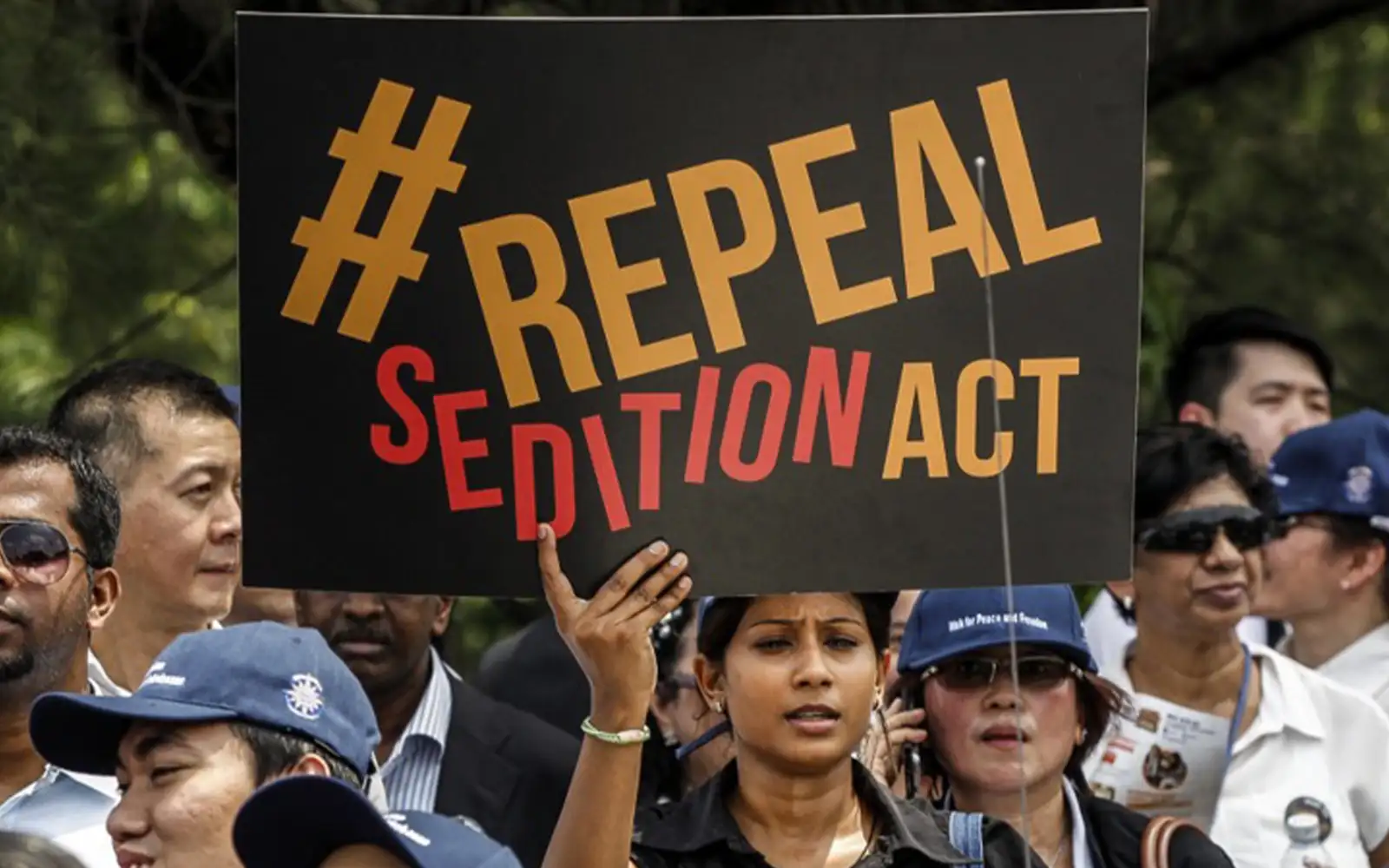
Akta Hasutan 1948 must be repealed unless the Parliament explicitly ratifies it as a means of limiting freedom of speech. The Hasutan Act is a legacy of colonialism, cherished after independence for nearly seven decades not because of its legal status, but due to a judicial decision that considered Malaysia practicing the principle of parliamentary supremacy.
This doctrine places Parliament as the highest legislative body with absolute power to enact, amend or repeal laws, without any other institution, including the judiciary, being able to overrule it. Based on this, the Hasutan Act has continued to exist as one of the instruments of state power, with freedom of speech protected on the grounds of national security.
However, since 2017, the Federal Court has placed greater emphasis on constitutional principles and judicial power. Given this development, in my view, the standing of the Hasutan Act needs to be re-examined. Judicial flexibility means the Federal Parliament can impose limitations on freedom of speech under certain circumstances, including national security, public order and morality.
In my view, the Hasutan Act does not meet the required standards for curbing freedom of speech. The pre-constitutional act could undermine the protection of freedom guaranteed by the Constitution by criminalizing speech based on the assumption of intention to incite violence or unrest. The oath of office for judges, established in the Constitution, also guides the judicial responsibility.
Judges do not swear to obey Parliament or the government in power. Instead, they swear to uphold, protect and defend the Constitution. Judicial power is not merely about accepting any legislative action without investigation. The judiciary plays a crucial role in ensuring legislative and executive actions remain within constitutional bounds.
When a law is challenged as undermining fundamental freedoms, the judiciary has the responsibility to examine its validity from a constitutional perspective. Therefore, retaining the Hasutan Act merely because it has been in existence for a long time, in my view, is not sufficient without an examination of its compatibility with today's constitutional framework.
The development of high court decisions on constitutional flexibility and judicial power opens up the space for the Hasutan Act to be re-evaluated thoroughly. If the high court ultimately finds the act incompatible with the Constitution, repealing it would not only end a legacy of colonial legislation but also reinforce the commitment of the nation to a constitutionally-based government.
It would also demonstrate that the judiciary is not just fulfilling its oath of office but also performing its responsibility to uphold the Constitution as the highest law of the land. This article is the writer's opinion and does not necessarily reflect FMT.
Written by urgent.news from Free Malaysia Today's reporting — not their text. Machine-written — may contain errors; check the original before relying on it.
Also reported by 1 other outlet
- Pinda Perlembagaan atau mansuh Akta Hasutan freemalaysiatoday.com