Pakistan will not allow India to weaponise water: Tarar
He says that even in event of dispute, both parties were required to adhere to the terms and conditions of treaty
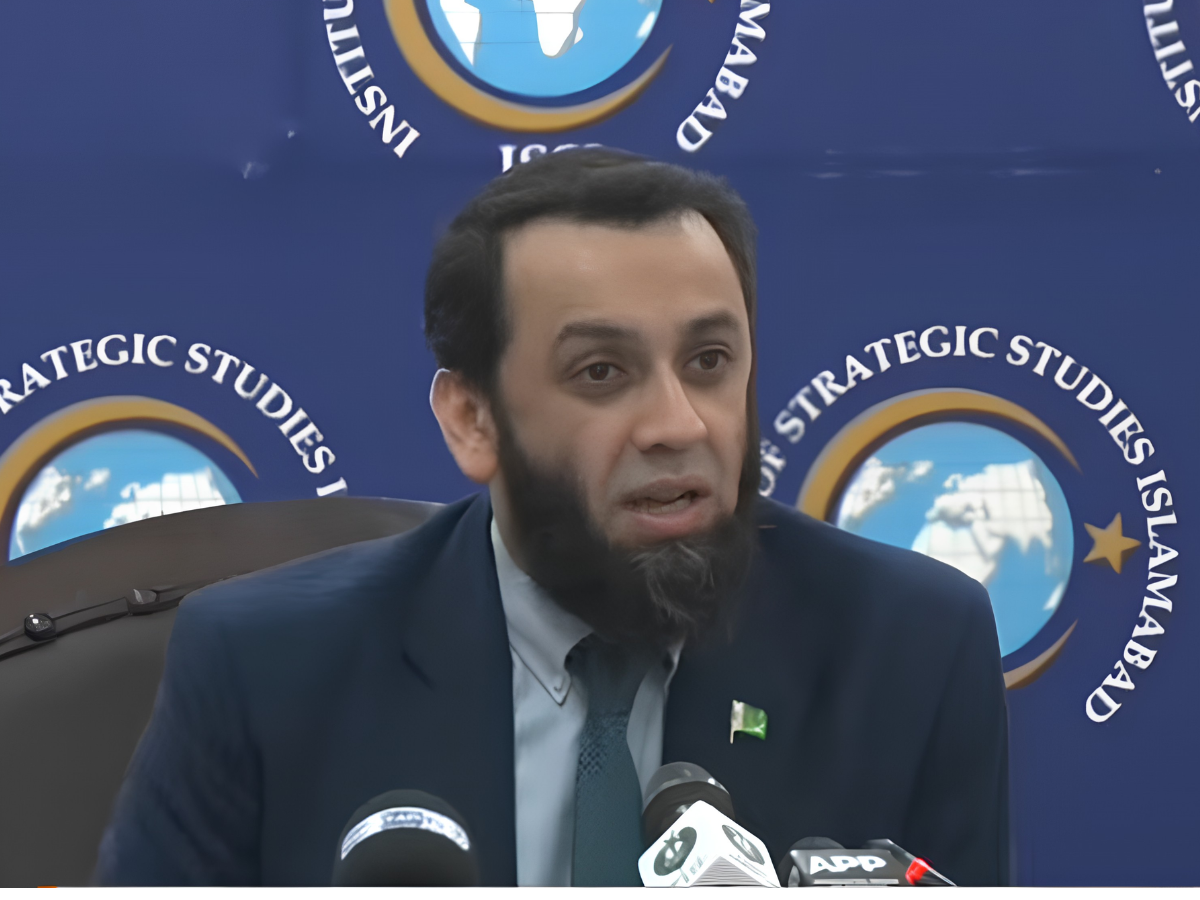
Information Minister Attaullah Tarar declared on Wednesday that Pakistan would not permit India to weaponize the water resources governed by the Indus Waters Treaty (IWT). Speaking at a seminar held at the Institute of Strategic Studies Islamabad (ISSI), Tarar stressed that the treaty could not be unilaterally altered, rescinded, or set aside. He emphasized that the IWT is a legally binding instrument, enforceable by both parties involved.
Tarar criticized India's approach to the treaty, describing its stance as legally ignorant, morally bankrupt, and devoid of ethics. He reiterated that neither party could unilaterally alter, rescind, or set aside the treaty, even in the event of a dispute. In such cases, both parties are obligated to adhere to its terms.
The minister also highlighted that Pakistan had engaged the international community to present its legal and diplomatic arguments. Prime Minister Shehbaz Sharif had stressed that the Indus water was "the lifeblood of our people and of our region," and any attempt to usurp this right would be treated as an act of war. Tarar reiterated that Pakistan's stance on the IWT was clear, and the Foreign Office and the Ministry of Information and Broadcasting have been actively engaging with international organizations and regional countries.
India often invokes alleged cross-border terrorism to justify its actions, according to Tarar. He also noted that Pakistan had suffered significant economic losses over the past several decades to combat terrorism. Despite the losses, Pakistan has remained at the forefront of the struggle against terrorism.
Tarar described attempts to weaponize water and create controversy around the IWT as highly contemptible. He noted that Pakistan has been supported by several countries that have endorsed its position, and international legal forums have also endorsed the treaty's provisions regarding alteration and revocation. He emphasized that Pakistan is a peaceful nation that believes in peace, and it will not allow India to weaponize water, as it is a fundamental right of the 240 million people of Pakistan.
He appealed to the international community to recognize the wider implications of the dispute, stating that if a state can unilaterally place a binding international water treaty in abeyance despite established dispute resolution mechanisms, it would have far-reaching implications for transboundary water governance worldwide. Tarar called on research institutions to examine the historical, legal, and strategic aspects of the issue and provide evidence-based analysis to policymakers and the international community.
Written by urgent.news from The Express Tribune - Pakistan's reporting — not their text. Machine-written — may contain errors; check the original before relying on it.
This story
This is one outlet's version. Read the fullest account.