Now is the best time to see Saturn all year — yes, even with the naked eye
Saturn will put on a show this week as it enters opposition and its famous rings return to looking their best.
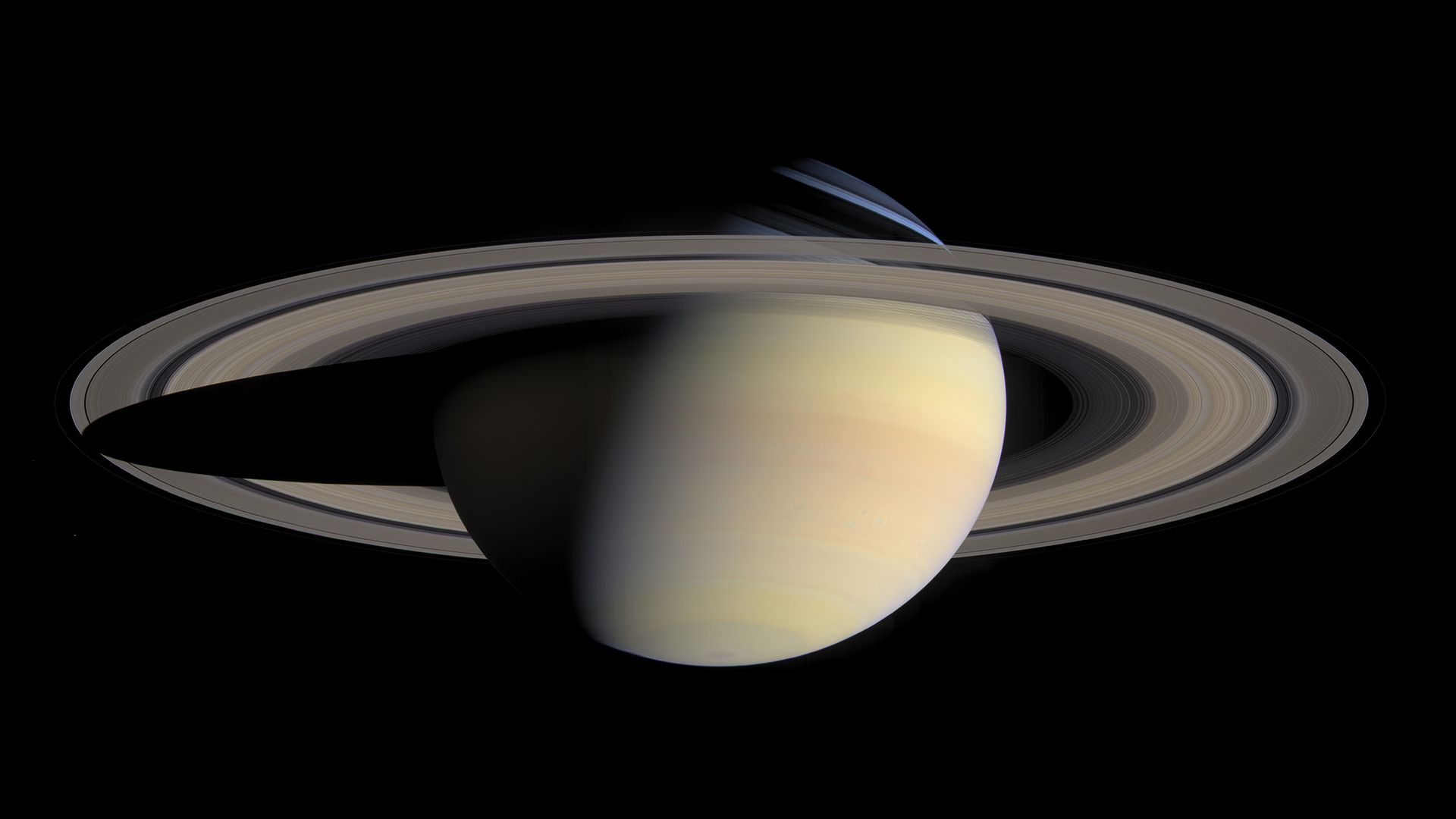
This week, Saturn is set to reach its annual opposition, a rare event that makes it appear at its brightest and largest all year. This phenomenon occurs when Earth is directly between Saturn and the sun, placing the two planets on the same side of the solar system. As a result, Saturn rises in the east around sunset, stays visible all night, and sets in the west around sunrise. This year's opposition, on October 4, makes it an excellent time to observe Saturn, especially during the few weeks before and after.
At 784 million miles (1.26 billion kilometers) from Earth, Saturn will be relatively close, causing its disk to appear large through a telescope and its pale-yellow light to shine more brightly than usual. The best way to view Saturn is through a backyard telescope, which allows you to see its rings in sharp detail. Larger apertures and higher magnifications might also reveal some of Saturn's moons, including Titan, the planet's largest satellite.
While the nights of September 30 to October 4 are ideal for observing, Saturn will remain a prominent evening target throughout October. The next opposition will occur on October 18, 2027. This is an excellent opportunity for amateur astronomers to witness one of the most memorable sights in the night sky.
Written by urgent.news from Live Science's reporting — not their text. Machine-written — may contain errors; check the original before relying on it.