More cost-of-living relief risks making Labor's long-term challenge harder
As political pressure mounts from the left and right, the risk is that pursuing more short-term relief will only make the government's long-term challenge harder.
As the mid-term of Labor's second term drew to a close, the government faced mounting challenges in dealing with both inflation and productivity. Reserve Bank Governor Michele Bullock outlined the issues, stating that inflation was too high, driven by domestic capacity pressures, while productivity was stagnant. Both leaders responded defensively, citing external factors like the Middle East war and their own efforts to curb spending.
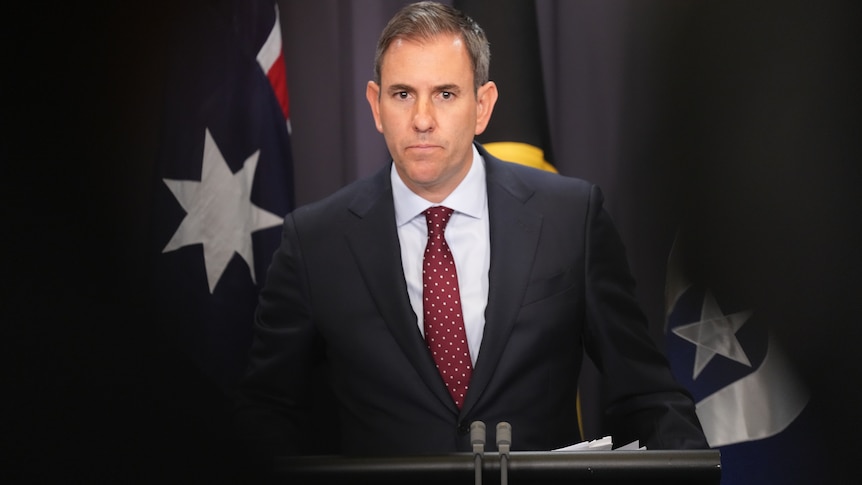
However, these efforts failed to appease the public. Labor appeared to gain some optimism when August's inflation numbers showed a slight improvement, with both headline and underlying rates decreasing. Treasurer Jim Chalmers attributed this to the Iran war being the main driver of the inflation spike. Despite this, Labor vowed to announce more cost-of-living support in the mid-year budget update.
However, critics argue that each new measure will only exacerbate the long-term challenge by fueling demand and deepening the structural deficit. As the Greens leader David Shoebridge emphasized the cost of living crisis, presenting a new obstacle for the government, Chalmers finds himself under political pressure from both ends of the spectrum, with little room to change course.
Written by urgent.news from ABC News AU's reporting — not their text. Machine-written — may contain errors; check the original before relying on it.