Kamerahersteller: Wie sich Leica immer wieder neu erfindet
Leica hat eine treue Fangemeinde und stand trotzdem einmal vor der Pleite. Wie Mehrheitseigner Andreas Kaufmann die Marke immer wieder neu erfindet – und was er von Leica-Parfüm hält.
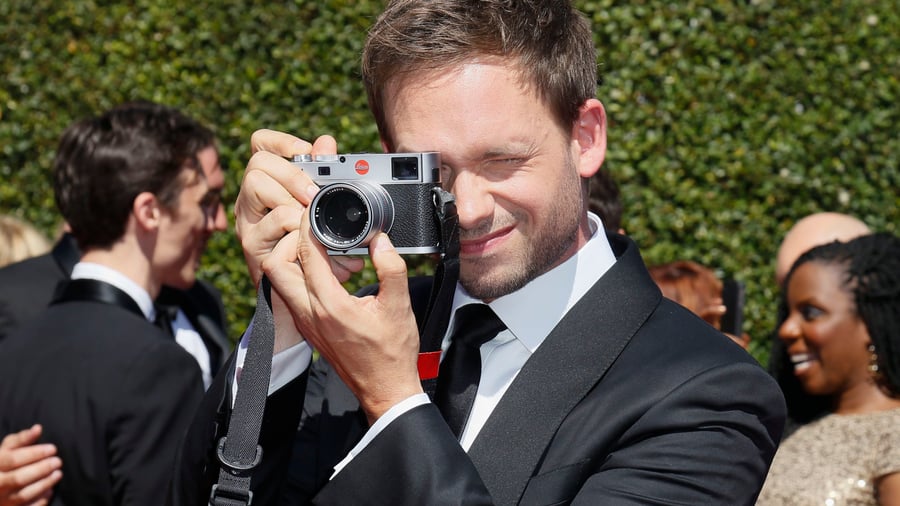
Wetzlar, Germany – Crafting flawless lenses requires polishing glass, a practice unchanged since the 17th century's telescopes and microscopes. Leica Camera AG, originally established in 1869 to produce microscopes, is now innovating by employing a unique method to transform glass blanks into lenses. In Wetzlar's production facility, engineers press the material into forms made of tungsten carbide at 700 degrees Celsius and high pressure, resulting in an aspherical lens shape calculated on computers.
The inaugural product utilizing this technology is the Noctilux M-35, a light-gathering lens available since late January for approximately €9,000. Leica's CEO Jan-Helge Staasmeyer explains that the company aims to be lighter and more compact than its predecessors, retaining the same light intensity. Their distinctive brand identity encompasses compact cameras with leather and metal casings, along with a photographic aesthetic that appeals to enthusiasts seeking high detail fidelity, precise color reproduction, and characteristic foreground blurring.
However, nostalgia alone is insufficient. In an era where smartphones dominate as primary cameras, Leica must continually reinvent itself technologically to preserve its appeal, particularly in the face of Andreas Kaufmann. As a majority shareholder and former savior of Leica through his investment firm ACM in 2005, Kaufmann emphasizes the necessity of developing the right products to maintain the brand's allure. From time to time, "technological leaps" are required.
Written by urgent.news from Handelsblatt's reporting — not their text. Machine-written — may contain errors; check the original before relying on it.