Japan desperately wants 10 million AI robots by 2040 to save its economy — by which time its human population is expected to drop by almost 11 million
Japan plans for millions of AI robots to address labor shortages, while companies test humanoids and insurers prepare for emerging risks.
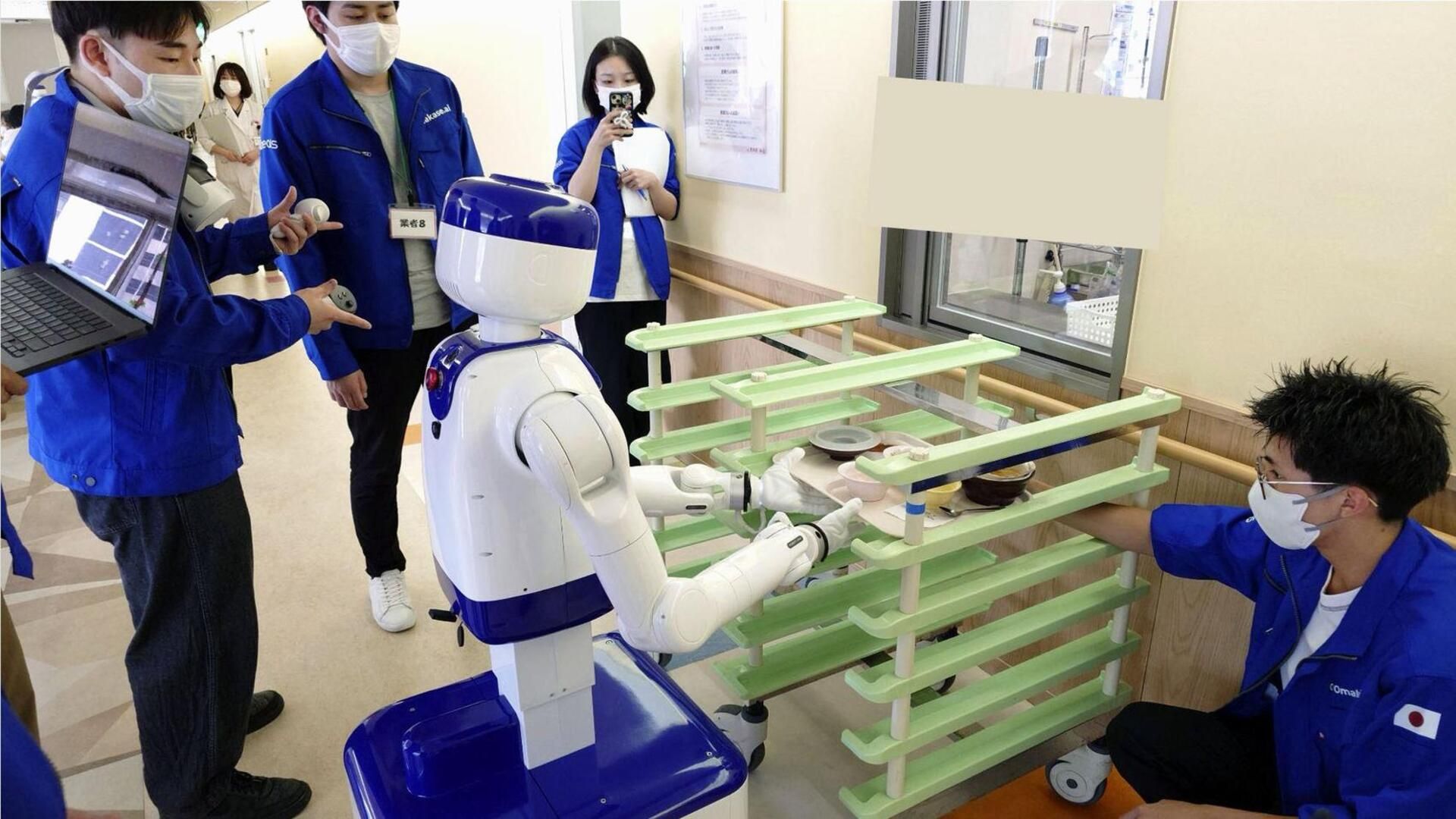
Japan aims to deploy 10 million AI robots across workplaces by 2040 to combat a shrinking labor force, following a projected population decline of 11 million by that time. Presently, Japan's working-age population is on the decline and the median age is set to rise to 54.0 years by 2040, with nearly a third of the population over 65 and only 10.4% below 15.
As companies grapple with hiring challenges, startups like Zeals are developing robots to assist with daily tasks. Zeals plans to produce 100 D1 robots by 2027, each capable of recognizing faces and lifting up to 5kg. These robots are being trialed in various settings, such as Nagoya hospitals where they help guide visitors and clear dining tables.
However, insurers are preparing for potential accidents involving these robots, ranging from physical injuries to cyber threats. Mitsui Sumitomo Insurance has formed a partnership with Zeals to offer insurance covering D1 users, acknowledging the risks involved. While Japan pushes for a robot-filled workforce, the effectiveness of these machines on the economy remains uncertain.
Written by urgent.news from TechRadar's reporting — not their text. Machine-written — may contain errors; check the original before relying on it.