It's time to move beyond emergency aid
The conventional view of the international humanitarian system is that it is designed to tackle emergencies. Certainly, it is true that aid networks have a critical, often life-saving, role to play in sudden crises. Sadly however, many areas of conflict and displacement are now witnessing longer-term events that present an enduring backdrop to millions of people’s lives. Protracted and…
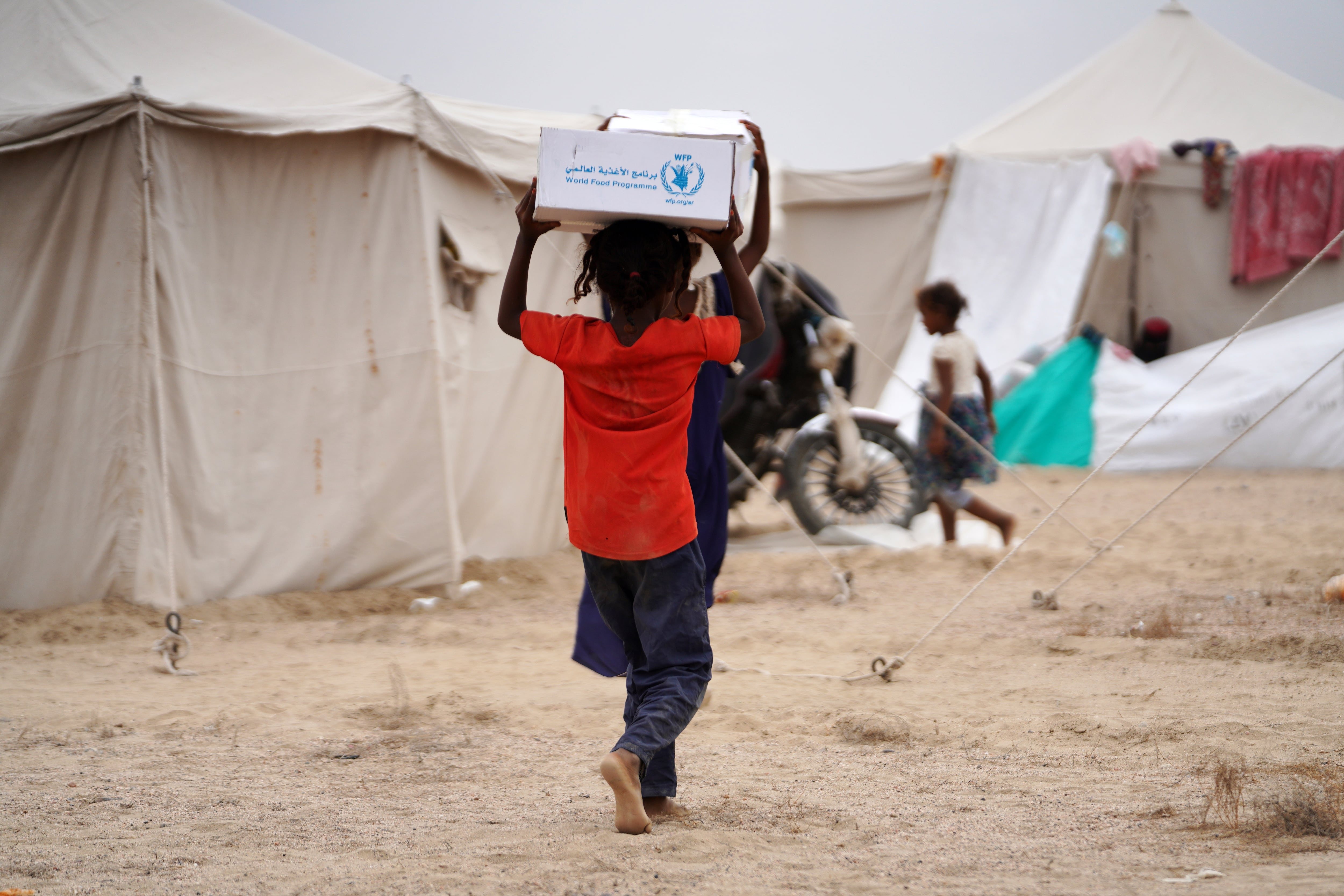
Traditional humanitarian aid systems are often seen as emergency response mechanisms. While this is accurate, it overlooks the reality that many conflict and displacement zones now face long-term challenges that permeate the daily lives of millions. Prolonged and interconnected conflicts in the Middle East and Africa, particularly in Yemen, various Horn of Africa nations, Palestine, and Lebanon, demand attention beyond the scope of traditional aid budgets and established methods.
OECD donor aid has decreased by 23% in the past year, and global humanitarian assistance has fallen by 36%. As people in these crises are in need of assistance not just for weeks or months, but potentially for years, the humanitarian sector must reconsider its approach. Badr Jafar, the UAE's special envoy for business and philanthropy, recently suggested to The National that private capital is seeking useful avenues.
The issue lies in connecting investment with humanitarian needs. However, this does not imply replacing aid with business transactions. Companies investing in areas such as water infrastructure, agricultural technology, healthcare, or renewable energy are not providing humanitarian assistance, but in fragile societies, such investments—along with the accompanying skills and resources—can help alleviate the conditions that continually generate humanitarian needs.
Private philanthropy has a history of success, yet it is often insufficient. For instance, in Rwanda, the Clinton-Hunter Development Initiative effectively combined philanthropic capital with government and community partnerships to enhance healthcare, water, and sanitation services in a nation that endured a devastating genocide in 1994.
Strategic investment can make communities more resilient to future shocks. Looking ahead to 2026, it is evident that simply presenting direct budgetary aid is insufficient for addressing increasingly complex humanitarian crises. There is a growing need for sectors to collaborate. The UAE, as a trustworthy and well-connected nation diplomatically, can play a significant role in achieving this collaboration.
Ultimately, while emergency aid can save lives, strategic investment can help make communities less vulnerable to the next crisis. It is prudent to recognize the limitations of what can be achieved. Jafar acknowledged that "no single sector has all the answers". Philanthropy alone cannot rebuild every broken country, nor should private investment be viewed as a replacement for governments, aid agencies, or diplomacy.
In many situations, peace agreements and political processes must precede substantial philanthropic intervention. However, as the world confronts interconnected wars, economic instability, and climate pressures, innovative approaches become increasingly essential.
Written by urgent.news from The National UAE's reporting — not their text. Machine-written — may contain errors; check the original before relying on it.
This story
This is one outlet's version. Read the fullest account.
- It's time to move beyond emergency aid thenationalnews.com