Iraq is reclaiming its sovereignty, but the real power struggle will start after the Americans leave
Believing that foreign troops should leave Iraq , while questioning whether this is the right moment for them to do so and whether the country is ready for what’s next, should not be mutually exclusive. Iraq has spent years calling for an end to US military presence. The US-led coalition’s mission has changed significantly since ISIS controlled large swathes of the country and of neighbouring…
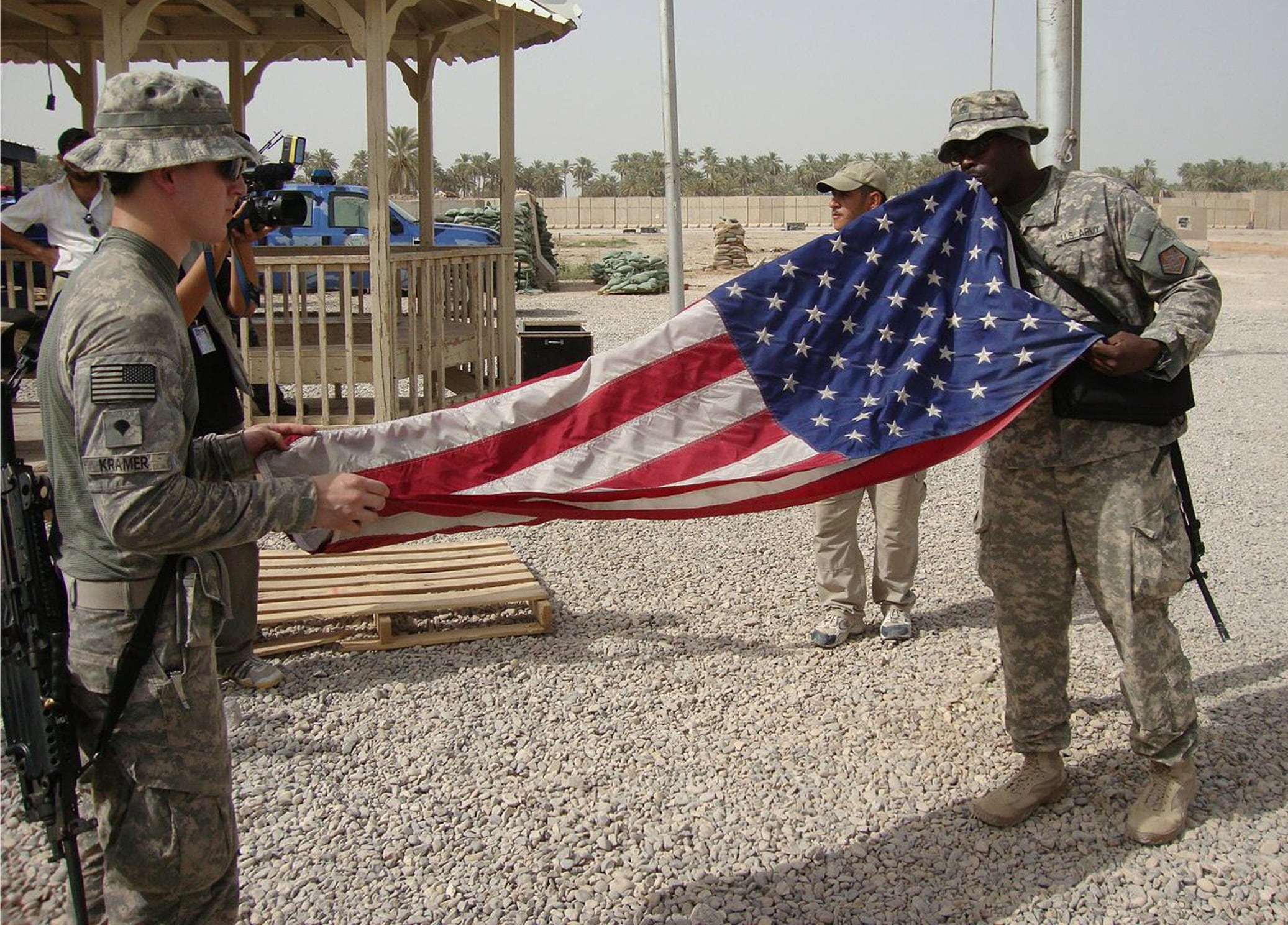
Iraq is reclaiming its sovereignty as foreign troops prepare to depart, yet the true power struggle will only intensify once the Americans have left. While there is a desire for the US military presence to end, the country must also grapple with the fact that it is not yet ready to manage its own security autonomously. The ISIS threat, though diminished, still lingers and the government is still working to bring various armed groups under its control.
Iran has built considerable political and military influence in Iraq over the past two decades and this will not vanish simply because American troops have exited the scene. The real issue lies in whether Baghdad can strengthen its state quickly enough to prevent other power centers from filling the void left by the departing Americans.
The withdrawal of US troops does not signify the end of American involvement in Iraq, as the relationship will likely evolve into a broader bilateral partnership encompassing defense and economic cooperation. However, the Iran conflict has complicated Iraq's balancing act between Tehran and Washington, as its militia groups have turned Iraq into a proxy battleground, straining its ties with key Gulf partners.
The Kurdistan Region, in particular, faces a similar dilemma. While progress has been made in unifying the Peshmerga, the division among its main governing parties, the Kurdistan Democratic Party and the Patriotic Union of Kurdistan, remains a significant weakness. With the Kurdish parliamentary elections concluding two years ago and no new government formed due to disagreements between the two parties, Baghdad holds greater sway in any disputes or negotiations with Erbil.
As Baghdad aims for greater control over armed power, the distinction between federal and regional security forces may become even more contentious. Some Iran-aligned groups even argue that integrating the Peshmerga into military command should be part of the broader state control process. Internal Kurdish divisions become more pronounced when American military involvement is reduced, especially without sufficient defensive systems to guard against potential attacks from Iran or Iraqi militia groups.
The solution is not to ask the US to stay, but rather, the departure of American troops makes Kurdish unity and Baghdad's ability to manage its security post-withdrawal even more crucial. Ultimately, the end of foreign military presence should not be seen as the conclusion of Iraq's security challenges. The critical questions that will determine the impact of this withdrawal are whether Iraq is prepared to prevent ISIS from regrouping and resurging, whether armed groups will be brought under state authority, and whether Baghdad can maintain a balanced relationship with Iran without allowing Iranian influence to become even more pervasive.
Written by urgent.news from The National UAE's reporting — not their text. Machine-written — may contain errors; check the original before relying on it.
This story
This is one outlet's version. Read the fullest account.
- US troops leave Iraq and Syria, but double down in the region en.majalla.com
- Iraq is reclaiming its sovereignty, but the real power struggle will start after the Americans leave thenationalnews.com
- US military says withdrawal of troops from Iraq is complete gulfnews.com
- US troops wrap up Iraq mission 12 years after Islamic State offensive rfi.fr