India’s small steelmakers have no easy fix to go green
Smaller firms make 40% of India’s steel and are the backbone of cities like Raipur. Some are exploring solar power, but face big constraints to make a deeper shift from coal The post India’s small steelmakers have no easy fix to go green appeared first on Dialogue Earth .
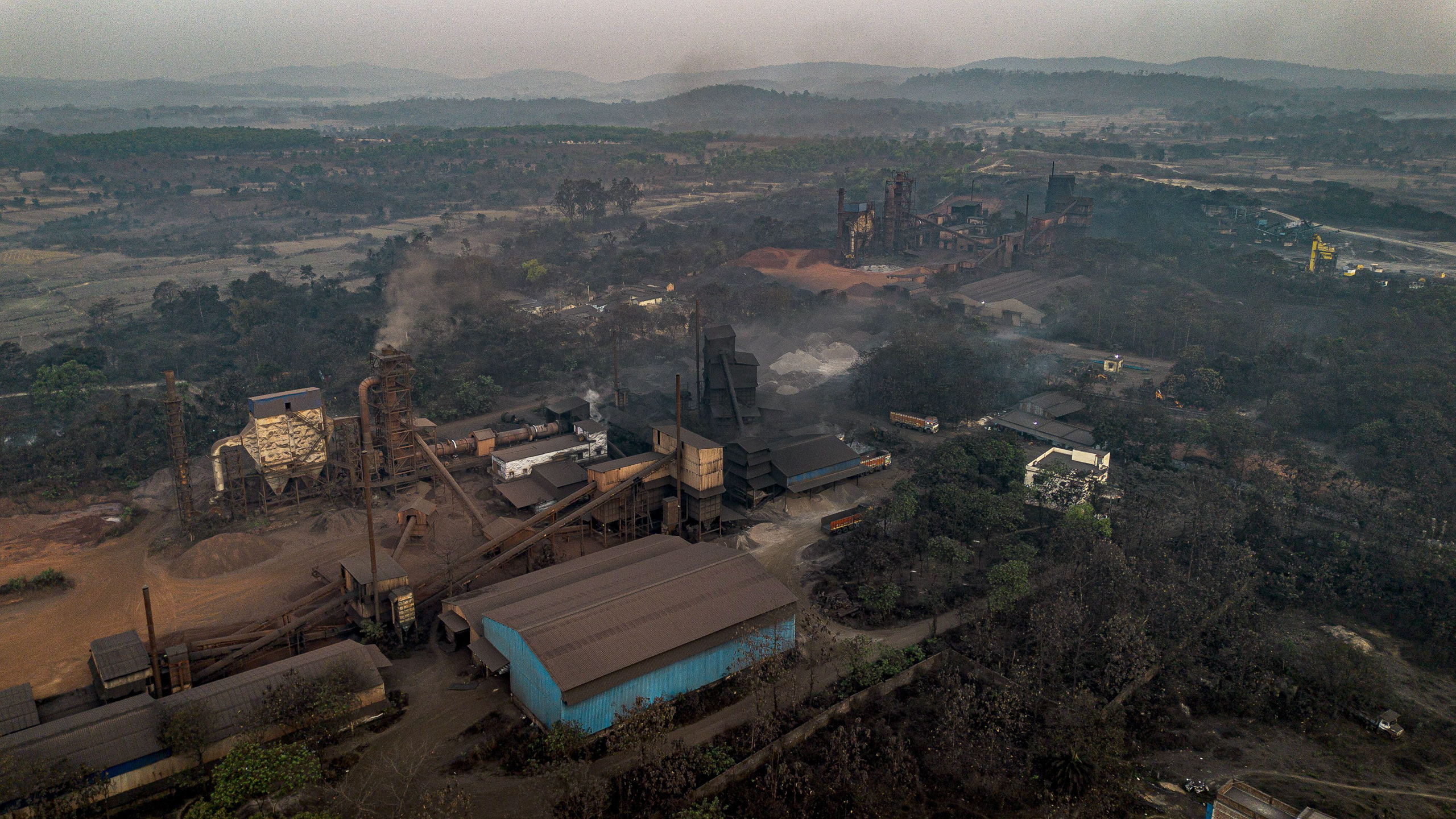
India's small steelmakers face a daunting challenge as they seek to transition to greener production methods. The state of Chhattisgarh, home to a significant portion of the country's steel industry, boasts numerous steel brands such as Goel TMT, GK TMT, and Concrete TMT. These companies form the backbone of Chhattisgarh's economy, employing tens of thousands of workers and supporting a vast network of suppliers and service providers.
However, the environmental impact of their operations is undeniable, contributing significantly to the country's carbon footprint.
The micro, small and medium-size enterprises (MSMEs) that constitute the "secondary" steel sector are responsible for around 40% of India's crude steel production, making them the second-largest steel producer in the world. These companies primarily use electric or induction furnaces to produce steel, relying heavily on coal as a key input for direct reduced iron (DRI) or sponge iron, which accounts for almost 30% of India's crude steel output.
This method of production is the most emission-intensive, generating 2.7-3.1 tonnes of CO2 for every tonne of crude steel, compared to the global average of 1.92 tonnes.
Despite the Indian government's push for energy efficiency and cleaner technologies, smaller steel producers face significant challenges. They operate in highly competitive markets with limited access to capital, making it difficult for them to absorb the additional costs associated with decarbonisation. Government initiatives, such as the carbon credit trading scheme (CCTS), have yet to be implemented, leaving the steel industry in a state of uncertainty.
Moreover, the local steel industry is already grappling with weak demand, overcapacity, and higher electricity tariffs, exacerbating the financial strain on smaller producers.
As the world looks to reduce its carbon emissions, India's small steelmakers must find a way to balance their economic survival with their environmental responsibilities. The question remains: how can they transition to cleaner production methods without jeopardising their very existence?
Written by urgent.news from Dialogue Earth's reporting — not their text. Machine-written — may contain errors; check the original before relying on it.