In Nepal’s flood zone, teachers mourn students who never returned
RASUWA (Nepal), Sept 30 — Each morning at a school in flood-ravaged Nepal, teachers taking attendance are ser...
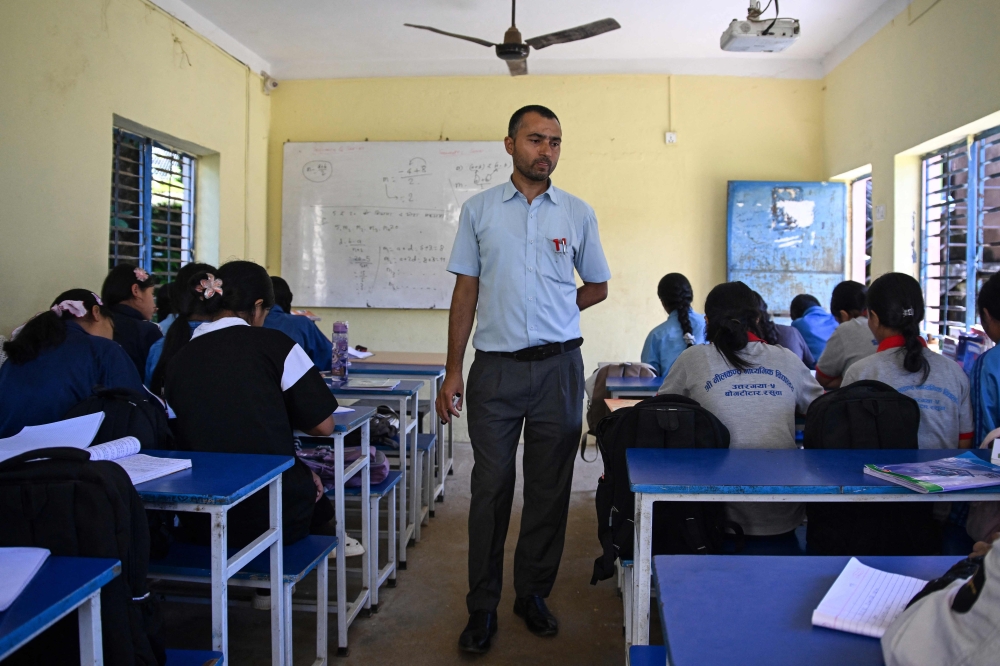
In the flood-ravaged Rasuwa district of Nepal, teachers are grappling with the loss of students who never returned to school following the catastrophic floods triggered by a glacial collapse. Over 1,400 people, mostly in Nepal, lost their lives, with more than 5,000 still missing one month after the disaster. Neelakantha Secondary School in Rasuwa, which remained largely intact, lost 70 students and four teachers.
Principal Madhav Lamichhane noted that "every family in Rasuwa can’t find a family member that hasn’t lost someone," as the entire school community is in mourning. Teacher Rama Paudel emphasized the young ages of the deceased, saying, "They have lost their lives in this disaster at such a young age. It’s a great loss."
The education sector is facing its worst situation, with 18 schools damaged and recovery costs estimated at up to $15.47 million. Unicef reports that learning has been disrupted for more than 14,000 children at 62 schools and learning centers, highlighting the critical role of education in the recovery process. Education ministry spokesman Shree Prasad Bhattarai stated, "This is the worst situation ever the education sector has experienced."
However, only about half of Neelakantha Secondary School's 508 students have returned to classes, as bridges and roads necessary for their journey remain inaccessible. Some classrooms have been converted into relief distribution centers, adding to the complexities of restoring normalcy. Principal Lamichhane mentioned that around 150 students are still unable to reach the school.
While relief supplies are reaching many survivors, teachers stress that the next phase requires more than just food and shelter, as some children may never return to school due to the psychological trauma they have endured. "We have enough relief materials," said teacher Shiva Ram Bhatta, "but now we need psychosocial therapy and a permanent way out so that they can feel normal again."
Written by urgent.news from Malay Mail's reporting — not their text. Machine-written — may contain errors; check the original before relying on it.