I tried America.gov, and I'm wary of trusting it with my data
I tried the new AI-powered America.gov and found a useful government guide whose ambitious plans raise much bigger questions about privacy, security and trust
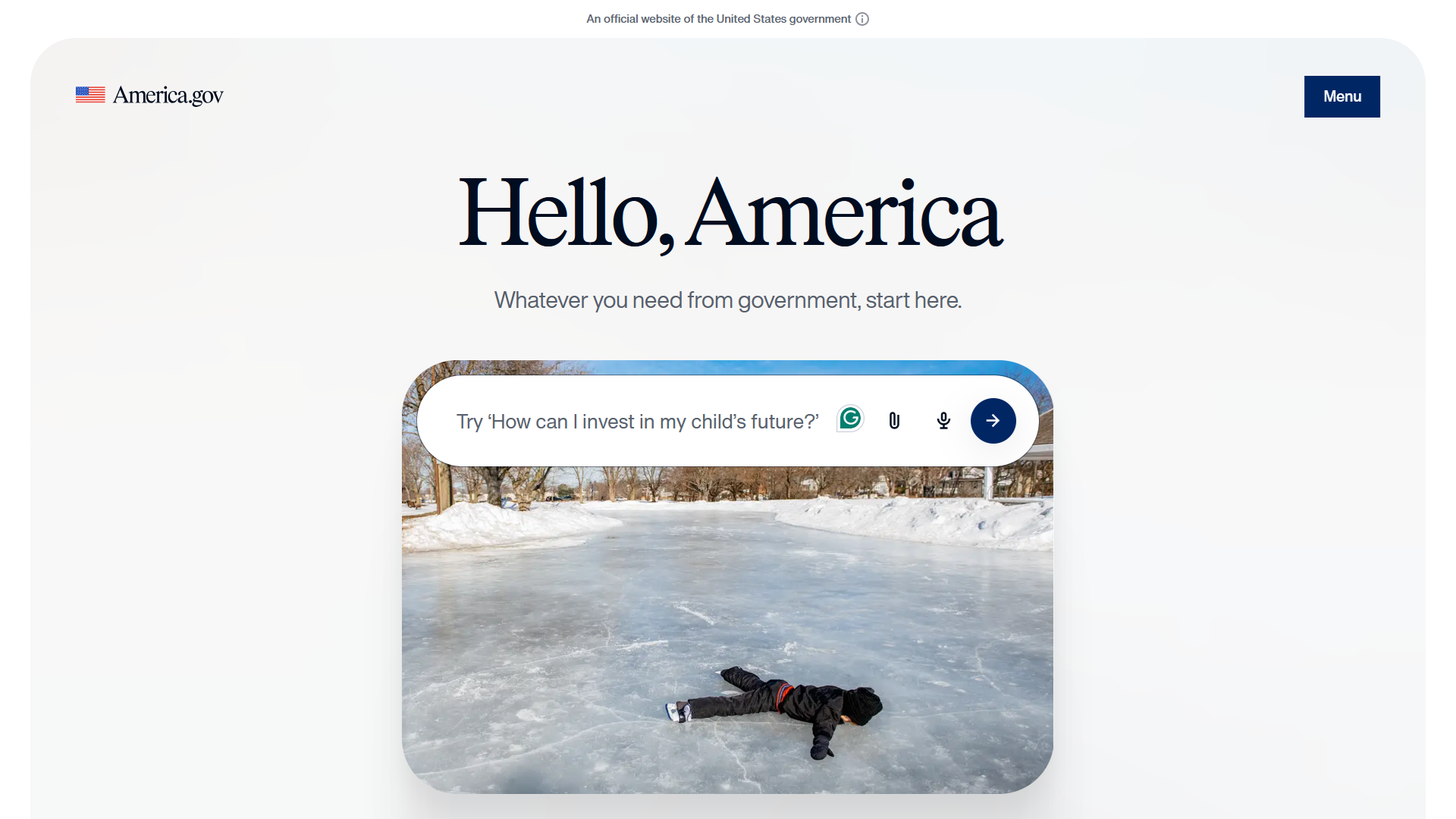
America.gov is a new AI-powered platform designed to simplify the process of accessing federal services. Users can ask a question in plain language, and the AI will determine which government resources are relevant and provide links for further information. The system currently draws from information scattered across thousands of government websites, using Google Gemini and Grok for its AI capabilities.
While the website boasts a low learning curve and no need for user instruction, it's essential to verify critical details on agency pages as AI adds an interpretive layer that may lead to inaccuracies. The initial version of America.gov focuses on providing information rather than processing transactions, but future iterations plan to include features like passport renewal, Medicare enrollment, legal name changes, and federal job applications.
The White House envisions a unified portal for accessing government services, which could potentially streamline bureaucratic processes. However, concerns about privacy, security, and the potential for AI-generated misinformation loom large, given past instances of inadequate data protection and the lack of fully addressing privacy challenges.
Written by urgent.news from TechRadar's reporting — not their text. Machine-written — may contain errors; check the original before relying on it.