I ignored this Google privacy feature for 4 years. Here’s why you should use it right now
It only took five minutes to set up but made me feel significantly more secure.
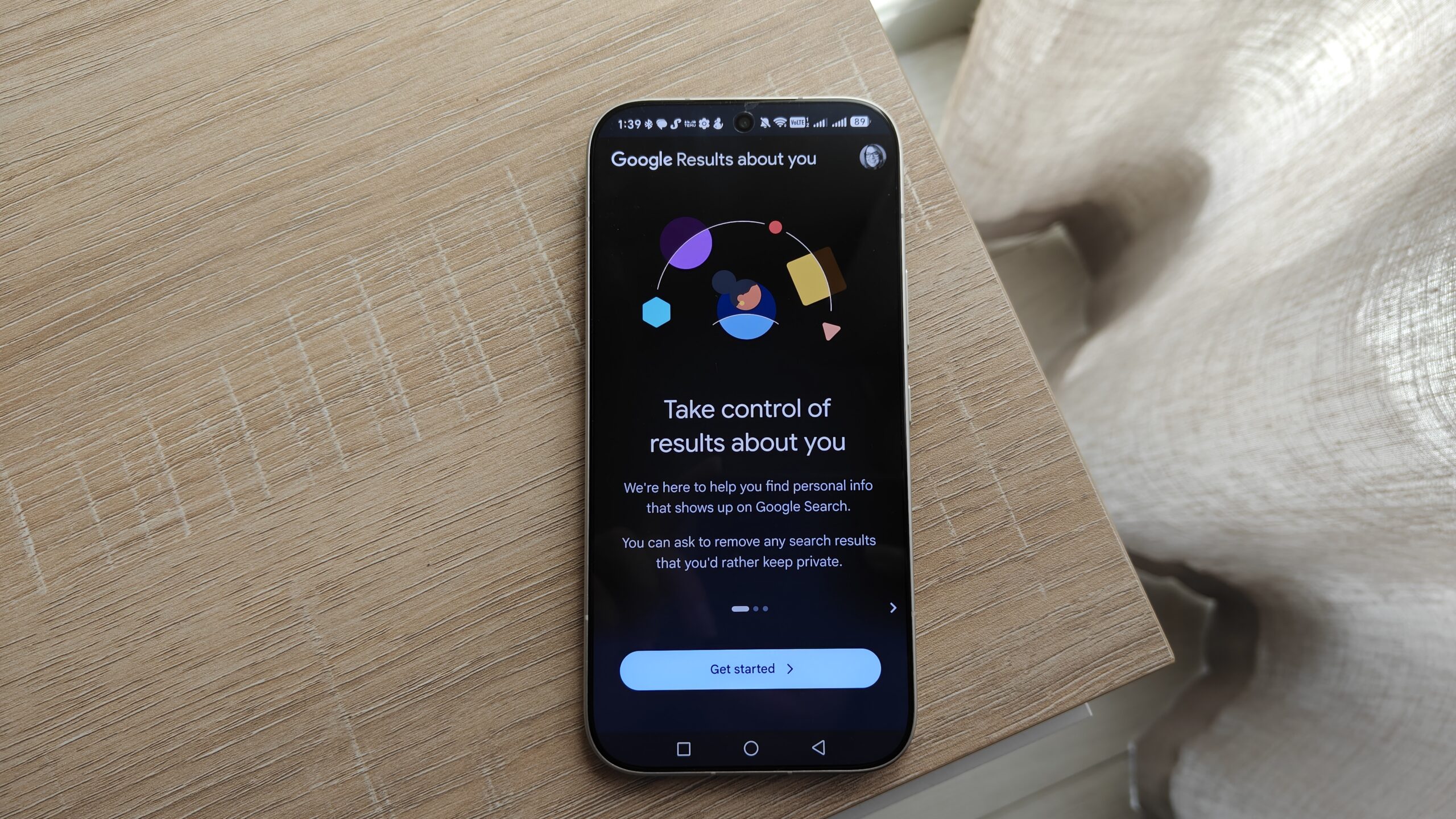
For years, I neglected Google's privacy feature known as Results About You, despite its potential to safeguard my personal data. As a privacy advocate, I was surprised to discover this tool had gone unnoticed in my Google app settings. Upon analyzing my settings, I decided to explore the Results About You feature, which allows Google to scan for private information like phone numbers, email addresses, and home addresses in search results.
If any results are found, users can submit a request to have them removed. The type of information monitored also includes ID and Social Security numbers, though availability depends on the user's region. Upon enabling the feature, users receive notifications when Google detects any of their personal information in search results.
Once notified, users can submit a removal request, which, if approved, leads to the deletion of the result from search results for all users. Setting up Results About You is straightforward. Android users can access it via the Google app's profile icon, while desktop users can visit the Results About You website. The process involves providing the information to be monitored, reviewing the data, and selecting how to receive notifications.
The feature conducts its first scan within six hours, and continues to run periodic scans afterward. The author, having experienced personal data leaks, finds this tool reassuring, alongside other privacy measures like Google Password Manager's dark web monitoring and HaveIBeenPwned for tracking online breaches. While no results were found initially, the tool underscores the importance of multiple privacy protection mechanisms.
The author concludes by recommending others to utilize Results About You to mitigate personal data risks.
Written by urgent.news from Android Authority's reporting — not their text. Machine-written — may contain errors; check the original before relying on it.