How the Culture War Put Public Schools at Risk
Allegations about “woke nonsense” imperiled a crucial source of Americans’ common identity.
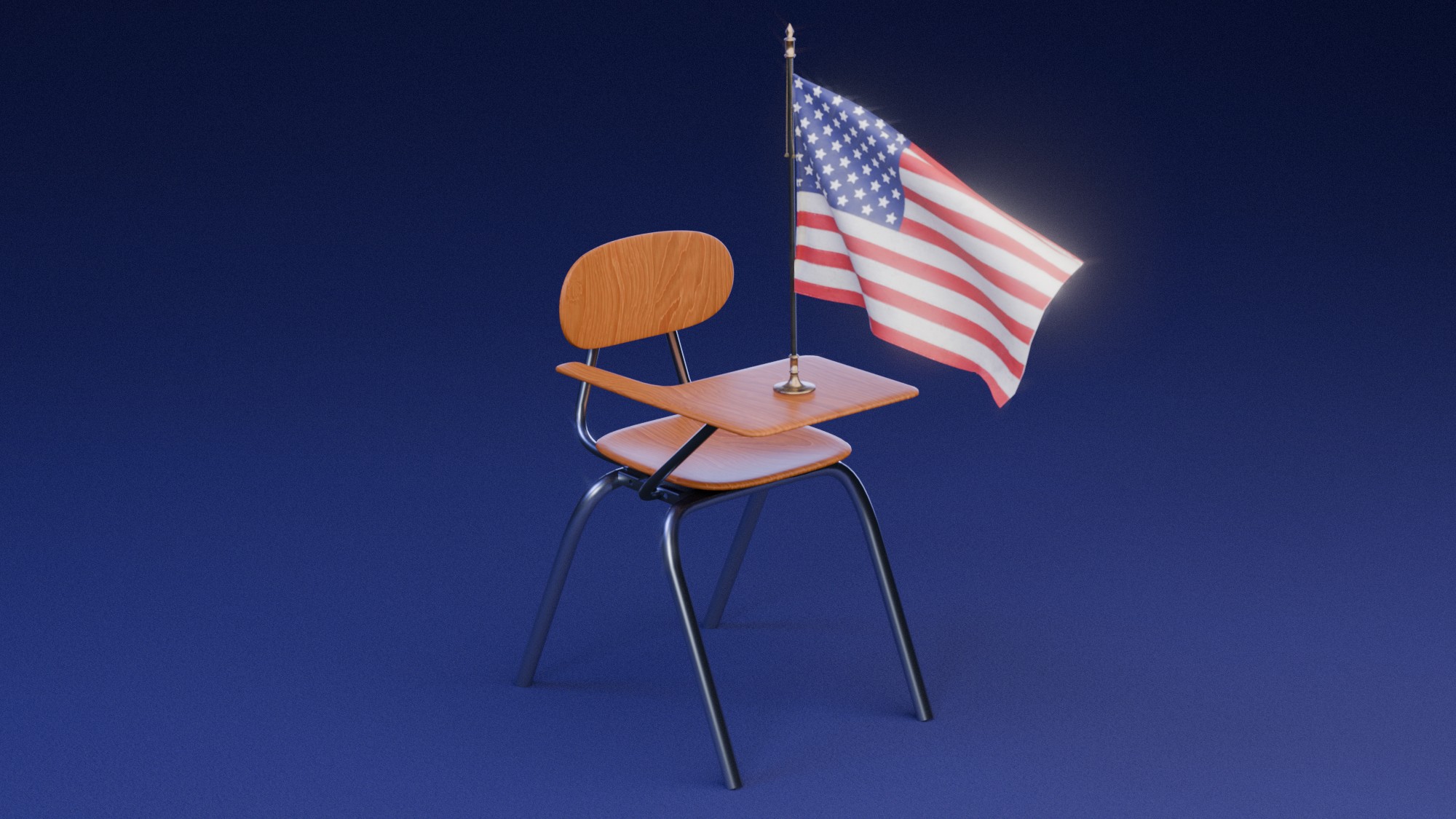
The culture war has put public schools at risk as voucher advocates shift their tactics to capitalize on political polarization. Milton Friedman's idea of using taxpayer money to support students in private schools has seen little progress over the past half-century, despite efforts by Republican presidents like Ronald Reagan and George W. Bush to promote vouchers.
However, in recent years, voucher advocates have targeted the deepening political divide to gain traction. The Heritage Foundation, a conservative think tank, urged for the voucher movement to "embrace the culture war" and highlighted progressive ideas such as "racial essentialism for third graders" and the presence of graphic novels featuring explicit content in school libraries.
This approach has helped persuade lawmakers in states like Iowa, Texas, and Arkansas to expand voucher programs, making them available to even the wealthiest students. Public schools, meanwhile, face challenges as they adopt progressive ideologies like diversity, inclusion, and anti-racism, which alienate some parents. As a result, private-school enrollment has surged, with an estimated 3.2 million fewer students attending public schools this fall compared to 2019.
A 2025 Tulane University study suggests that voucher programs may further accelerate the shift toward private education, with private school enrollment in participating states increasing by 3-4% compared to non-voucher states.
Written by urgent.news from The Atlantic's reporting — not their text. Machine-written — may contain errors; check the original before relying on it.