How AI is becoming Hollywood’s newest star, changing work on and off camera
Higgsfield AI, Runway, and Luma are among the startups that are using AI to reshape Hollywood's production process.
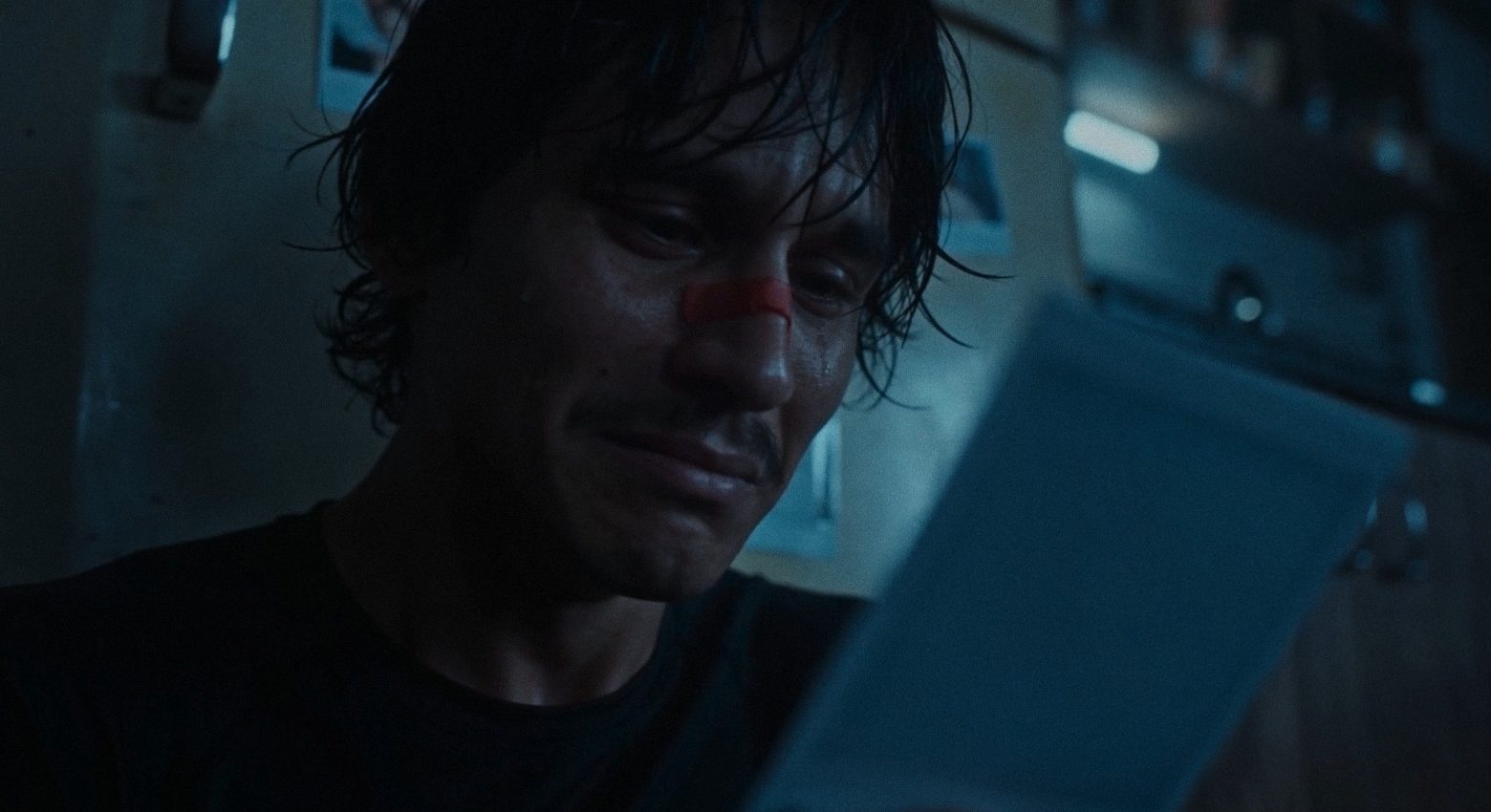
When Hell Grind premiered at Cannes, France, the spotlight wasn’t on a star-studded cast or an Oscar-winning director. Instead, the film, crafted by a team of 15 using AI technology, drew attention for its innovative production. The 95-minute movie was completed in under three weeks at a budget of just $500,000, with the majority of the funds allocated to compute costs and personnel. All elements of the film, including actors and visuals, were entirely generated by AI.
Despite the significant cost savings, co-founder and chief strategy officer Mahi De Silva insists that AI will not replace traditional filmmaking roles. "What we have found is that filmmaking is still an art," asserts De Silva. However, startups like Higgsfield AI are pushing the narrative that AI will revolutionize the entire filmmaking process, potentially leading to job losses in production and visual effects sectors.
By 2030, AI could influence up to 20% of original content spending on films and TV, according to consulting firm McKinsey, paving the way for smaller studios, personalized projects, and short-form content.
The impact of AI on filmmaking was further highlighted in 2026, when box office hits like The Odyssey and Obsession, which relied heavily on practical effects, underperformed compared to AI-driven films. A new four-year contract between major studios and the SAG-AFTRA labor union negotiated in 2025 includes strict regulations on AI usage and payment. Higgsfield AI, founded in 2023, recently secured $400 million in Series B funding at a $5.4 billion valuation, just eight months after raising $80 million.
De Silva explains that Higgsfield AI's Cinema Studio platform utilizes 33 AI models, including OpenAI's ImageGPT, Google's Nano Banana, and ByteDance's Seedream. The company is continuously exploring new AI models to enhance their production process. For the film Cully Hill Boys, Higgsfield AI legally licensed the likenesses of four real individuals, including UFC fighter Israel Adesanya, for AI-generated characters.
Runway, another AI video generation startup, initially offered limited video generation capabilities but has since advanced with its Gen-4.5 AI model, capable of generating videos based solely on written prompts. The startup recently raised $315 million in Series E funding at a $5.3 billion valuation, partnering with Lionsgate to create AI-enhanced content.
Runway's innovative projects include collaborating with animator Jeremy Higgins for the animated series Mars, producing the short film Rules of Horse…for Dummies in under two weeks, and offering interactive experiences where users can create their own versions of the film.
AI's potential to amplify unique creative perspectives is emphasized by Runway's chief creative officer Jamie Umpherson. However, some AI video generation startups, like Chronicle, focus on using AI for audience insights to guide content creation. Despite the potential, there are concerns about AI's ability to accurately predict audience reactions.
A cautionary tale from Relativity Media, which went bankrupt despite using data analysis pre-AI, underscores the risks. While AI can help optimize content based on creator's fanbase insights, co-founders Aaron Sisto and Scott Greenberg stress the importance of not dictating creative decisions.
Written by urgent.news from Fortune's reporting — not their text. Machine-written — may contain errors; check the original before relying on it.