Help NASA Find Practical Ways to Monitor Astronaut Body Temperature in Low Earth Orbit
Researchers: Help NASA Find Practical Ways to Monitor Astronaut Body Temperature in Low Earth Orbit NASA invites the research community to provide input to improve how it monitors and manages astronauts’ core body temperature during a mission. Why Is Monitoring Core Temperatures Important? Emerging evidence suggests body temperature may run higher in microgravity and rise […] The post Help NASA…
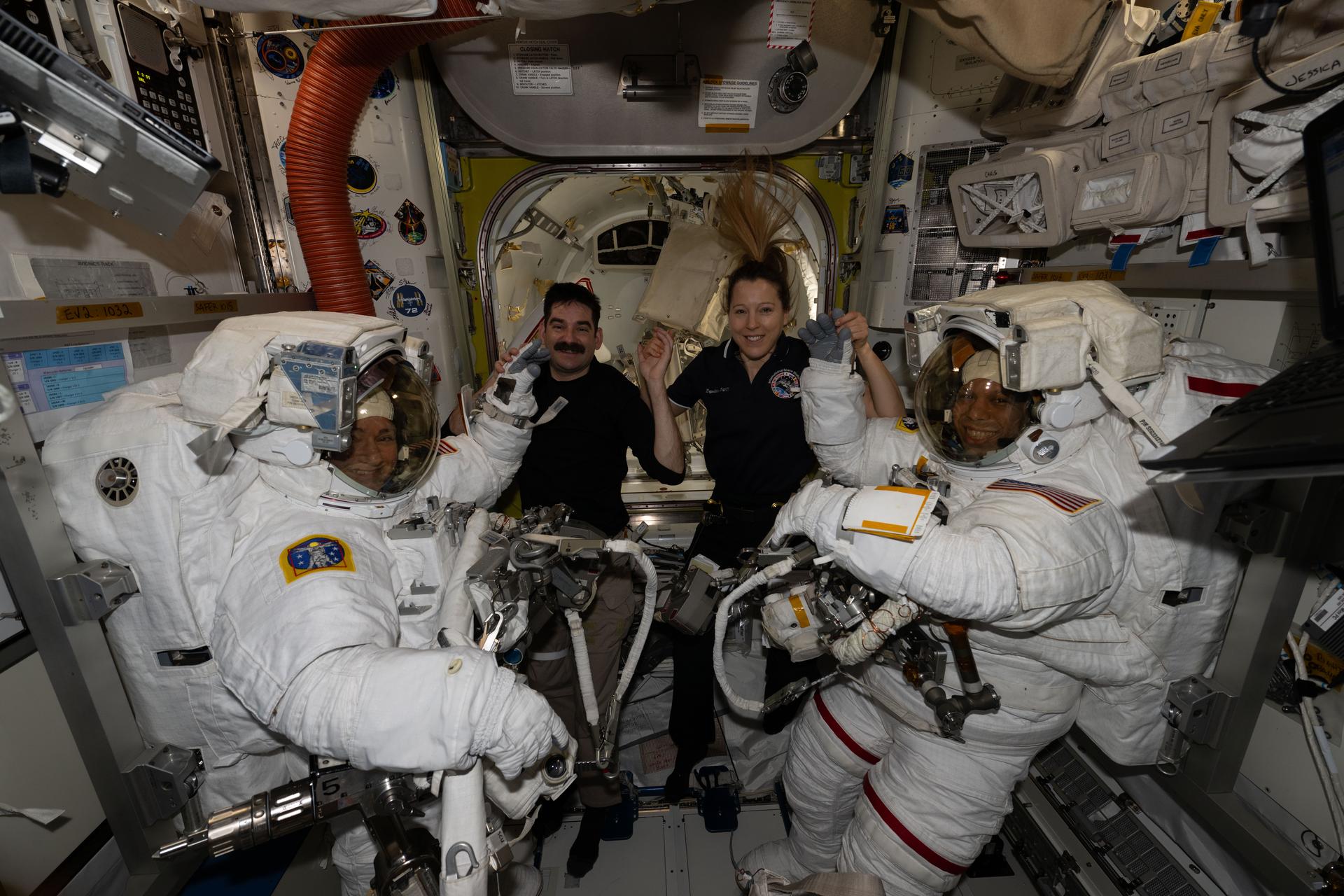
NASA is reaching out to the research community to gather ideas on how to better monitor and manage astronauts' core body temperature while they are in low Earth orbit. This comes as emerging evidence suggests that astronauts may experience higher body temperatures than usual in microgravity, particularly during activities such as exercise, spacewalks, and landing back on Earth.
Understanding this potential for elevated core body temperature is crucial for ensuring the health and safety of astronauts during missions. NASA wants to know what existing validated approaches are practical for monitoring core body temperature and thermoregulatory responses both at rest and during routine activities. They are particularly interested in technologies that could be used for continuous, 24-hour monitoring in space.
The agency is also open to retrospective analyses of data from past space missions available through the NASA Life Sciences Data Portal. In addition, NASA seeks recommendations for future research on thermoregulation, particularly in the context of short- and long-duration missions in low Earth orbit, as well as longer-duration missions in deep space and within partial-gravity environments like space stations.
While this Request for Information (RFI) is not a funding solicitation, NASA will use the input received for planning and acquisition strategy. Responses will help inform decisions related to current ISS missions, future Artemis missions, and potential commercial space destinations in low Earth orbit. The research community is encouraged to share ideas, methodologies, and insights based on analogies such as patient populations, parabolic and suborbital flights, and bed rest studies.
Written by urgent.news from NASA Science's reporting — not their text. Machine-written — may contain errors; check the original before relying on it.