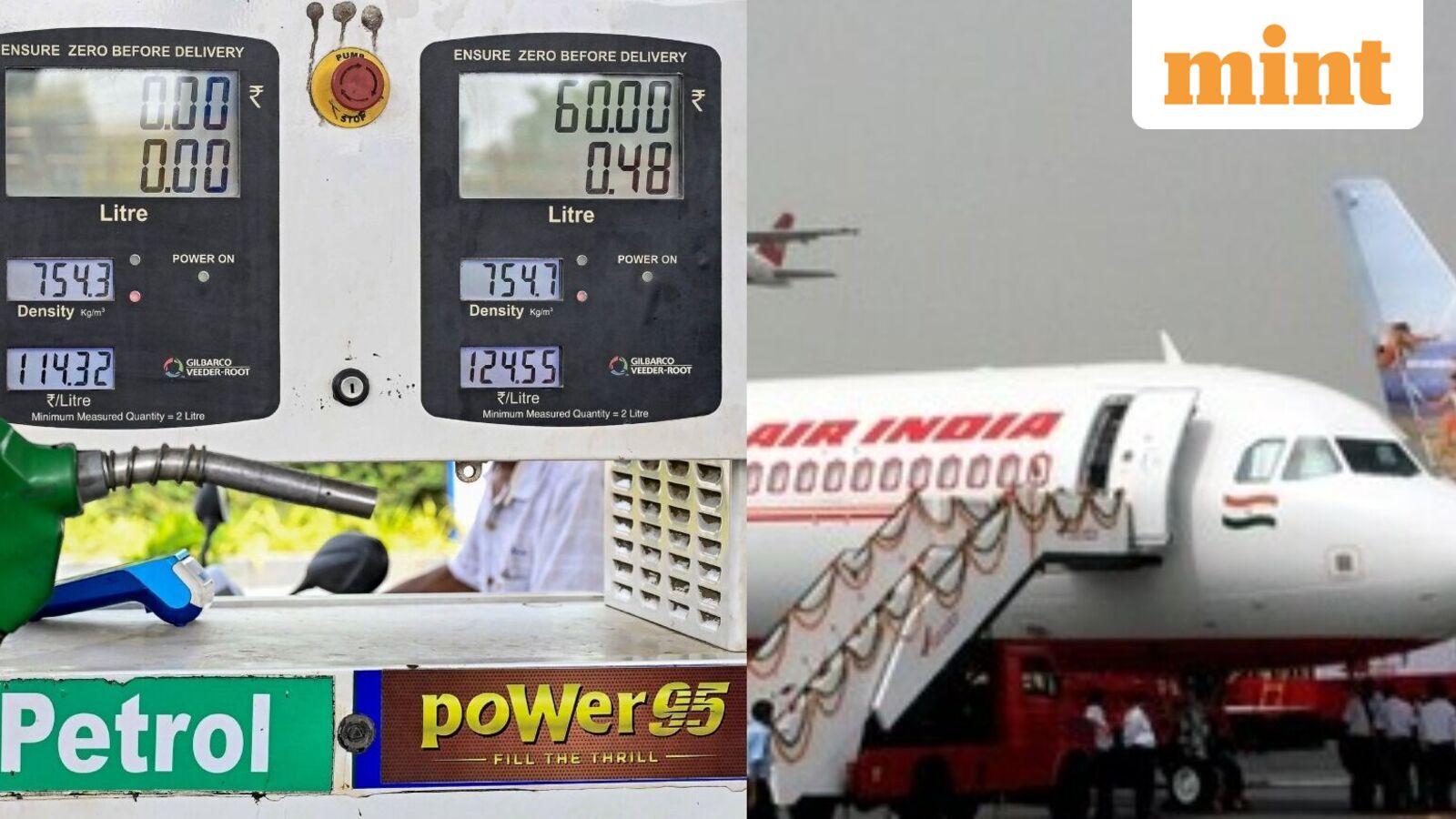
Govt lowers windfall tax on diesel, ATF exports amid West Asia tensions
The rate of special additional excise duty (SAED) along with road and infrastructure cess on the export of diesel will now be ₹16 per litre.
Indian companies' credit profile remained robust in the first half of the 2026-27 fiscal year, despite the energy shock caused by the West Asia conflict, according to rating agency Ind-Ra. At the end of the previous fiscal year (April 2025-March 2026), Ind-Ra had warned that the conflict would put corporate India's balance sheet strength to the test, as it had been building since FY22.
The conflict turned out to be one of the most significant tests of corporate credit profiles since the pandemic. Ind-Ra's Senior Director, Head of Credit Policy Group, Arvind Rao, stated that downward rating actions due to the conflict were limited to a few issuers, as much of the shock was absorbed before impacting corporate cost structures.
In H1 FY27 (April-September), Ind-Ra upgraded 190 issuers and downgraded 63 issuers, maintaining a stable upgrade-to-downgrade ratio of 3. This was similar to the ratio in the previous year (3.1) and the first half of FY26 (3.3). The supportive domestic environment, including GST rationalisation and income tax relief, helped households maintain their purchasing power and curb inflation, while other cost increases were passed on to consumers.
Investment demand continued to be strong, driven by government capex and private spending in power, telecom, oil & gas, and metals, with data centers and semiconductors emerging as new investment areas.
Financing conditions remained favorable, with a well-capitalized banking system and ample liquidity, ensuring funding was not a constraint for companies. As a result, revenue growth was robust, and profits outside the oil marketing sector grew at a healthy pace, as per Ind-Ra's corporate credit profile analysis. The rating upgrades by Ind-Ra were broadly distributed across various sectors, including infrastructure, construction, capital goods, automobiles, consumer durables, commercial realty, and healthcare.
Downgrades were primarily concentrated in sectors exposed to raw material price volatility and execution uncertainties, such as auto components and construction materials, as well as industries facing issuer-specific stress, like capital goods.
Written by urgent.news from The Economic Times - Economy's reporting — not their text. Machine-written — may contain errors; check the original before relying on it.
This story
This is one outlet's version. Read the fullest account.
- Export schemes extended amid West Asia crisis economictimes.indiatimes.com