Focused brain radiation could ease severe, tough-to-treat depression
Researchers say they've found an incision-free way to treat the brains of people stricken with severe, treatment-resistant depression, bringing what looks to be lasting relief. It's a small study—just 20 participants—so larger trials are needed. But there seems to be promise in the approach, which focuses radiation at a key spot in the brain.

A new study explores a targeted radiation technique as a potential solution for treatment-resistant depression, a condition affecting about 30% of patients with depression. Researchers from the University of South Florida and Tampa General Hospital conducted a small trial involving 20 participants with severe, treatment-resistant depression, some of whom also suffered from obsessive-compulsive disorder (OCD).
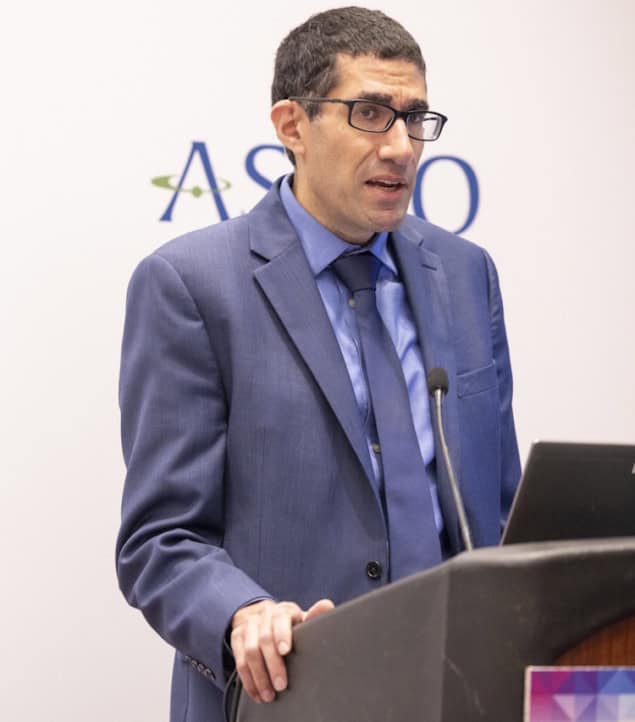
The innovative approach, called stereotactic radiosurgical capsulotomy, uses highly targeted radiation to create a tiny lesion in a specific brain circuit known to influence mood and OCD. Unlike other treatments, this method requires no incision or implanted device, directly targeting a small area deep within the brain. The study's lead author, Dr. Mohamed Khattab, a radiation oncologist, explained that the procedure aims to interrupt the circuit contributing to severe, persistent symptoms while minimizing effects on surrounding brain tissue.
The results showed that 89% of participants experienced an improvement in depression scores, with a median follow-up period of three years. Half of the patients maintained positive treatment effects for a longer duration, while the other half did not. Notably, 13 out of 14 participants with suicidal thoughts experienced a significant decrease in these thoughts after treatment. Importantly, there were no reports of neurologic deficits, apathy, or personality changes, and no evidence of cognitive decline.
While the study is promising, it is still preliminary, and larger, more comprehensive trials are needed to confirm these findings and determine the long-term safety and efficacy of this novel approach. Dr. Markus Bredel, a co-chair of ASTRO's Functional Radiation Medicine Task Force, emphasized the importance of the study in evaluating a highly targeted, incisionless method in patients who have already tried multiple therapies.
However, he stressed that further research is necessary before this approach can be integrated into routine care.
Written by urgent.news from Medical Xpress's reporting — not their text. Machine-written — may contain errors; check the original before relying on it.