Fed's preferred inflation gauge revised down to 5% in Q2
The Bureau of Economic Analysis also revised second-quarter GDP up to 2.2%, from a prior estimate of 1.5%
Asian stocks saw a mostly positive trend on Wednesday as lower global bond yields and declining oil prices provided support to risk assets. U.S. stock futures also experienced a slight increase in Asian markets. Following a lackluster Wall Street session overnight, Japanese equities saw the biggest gains, with the Nikkei 225 surging 2.2% and the TOPIX index rising 1.9%.
The Nikkei's jump was driven by chip-related stocks and a notable 7% increase in SoftBank Group shares. China's Shanghai Composite and Shenzhen CSI 300 both rose by 0.5%. Hong Kong's Hang Seng index edged up by 0.3%, reversing its previous losses. South Korea's KOSPI, however, declined by 0.4%.
The easing of U.S. 30-year Treasury yields to around 5.55% fueled the stock market rally. This comes after the yields reached a high of 5.6206% on Tuesday, marking the highest level since 2002. Oil prices remained relatively stable after a significant drop on Tuesday, as investors kept a close eye on the Middle East conflict and the situation at the Strait of Hormuz. Brent crude hovered around $103 a barrel as reports of rising Saudi oil exports and the utilization of alternative supply routes provided some relief.
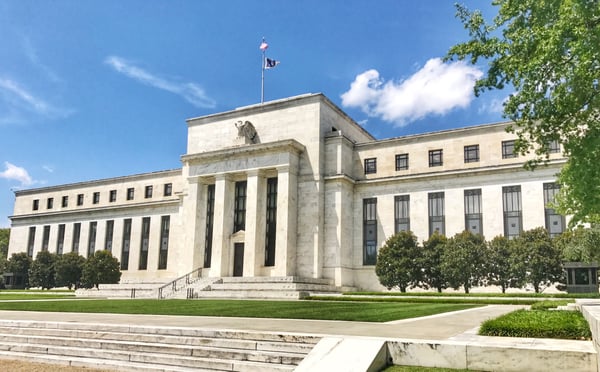
Investors are now focusing on the U.S. PCE price index data for August, which is expected later on Wednesday. This data is considered the Federal Reserve's preferred measure of inflation and could significantly impact expectations for the central bank's interest-rate path. The PCE index is anticipated to reveal that inflation remains above the central bank's 2% annual target, potentially influencing the direction of future rate decisions.
In other Asian markets, Singapore's Straits Times Index and India's Nifty 50 both fell by 0.1%. Meanwhile, Australia's S&P/ASX 200 rose by 1.1%. Australian inflation data released on Wednesday showed that inflation jumped to 4.0% in August from 3.5% in July, exceeding economists' forecasts. However, the figure remained slightly below the Reserve Bank of Australia's 2%-3% target band.
Australia's central bank had recently raised its cash rate to 4.6%, the highest level in 15 years. In China, the official manufacturing purchasing managers' index returned to expansion territory, while the non-manufacturing PMI also improved. The private RatingDog manufacturing PMI reached a five-month high, signaling stronger factory activity than the official survey.
Additionally, the decline in Japan's industrial production, marking a second consecutive monthly contraction, added to concerns about the country's manufacturing sector.
Written by urgent.news from Hellenic Shipping News's reporting — not their text. Machine-written — may contain errors; check the original before relying on it.
This story
This is one outlet's version. Read the fullest account.
- Gold struggles for direction ahead of Fed’s preferred PCE inflation data fxstreet.com
- Asia stocks gain ahead of U.S. PCE inflation; regional data in focus hellenicshippingnews.com