Explainer-What is Alaska LNG and why does the project face doubts?
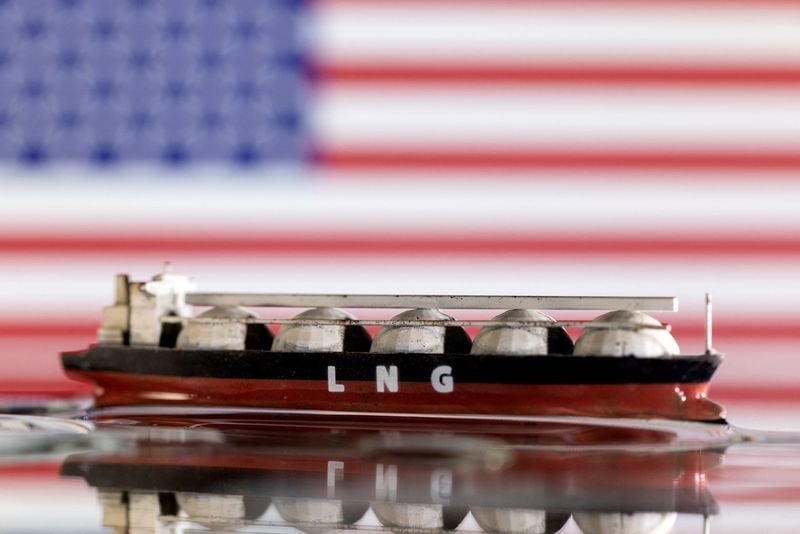
Alaska LNG is a proposed $44.5 billion to $54.5 billion development in Alaska to transport natural gas from the state's North Slope to overseas buyers via a pipeline and an export terminal. The project is 75% owned by Glenfarne Group and 25% by the state of Alaska. It aims to construct an 800-mile (nearly 1,300 km) pipeline from the North Slope to a liquefaction facility in Alaska's southern port of Nikiski, with final investment decisions expected in 2026 and export facility completion in 2027.
The project is targeted at selling LNG to East Asian buyers due to the shorter voyages from southern Alaska compared to Gulf Coast terminals. So far, they have secured agreements covering 13 million metric tons of LNG annually from Japan, South Korea, Taiwan, Thailand, and TotalEnergies. However, the project needs additional 3 million tons of agreements to secure financing.
While the project has received renewed backing from President Donald Trump ahead of the US midterm elections, many in the LNG industry remain skeptical about its commercial viability. The project is seen as high-risk due to its inexperienced developer, substantial capital requirements, potential cost overruns, and competition from lower-cost US Gulf Coast exports and Canadian projects targeting the same market.
The supply agreements are mostly non-binding, which may reflect support for the Trump administration's efforts rather than firm commitments to purchase the project's LNG.
Written by urgent.news from Investing.com's reporting — not their text. Machine-written — may contain errors; check the original before relying on it.