Experts agree: The fundamental background hints at further US Dollar appreciation
The US Dollar (USD) is showing a moderately softer tone on Wednesday, weighed down by the recent pullback in US Treasury yields and some dovish comments from New York Fed President John Williams.
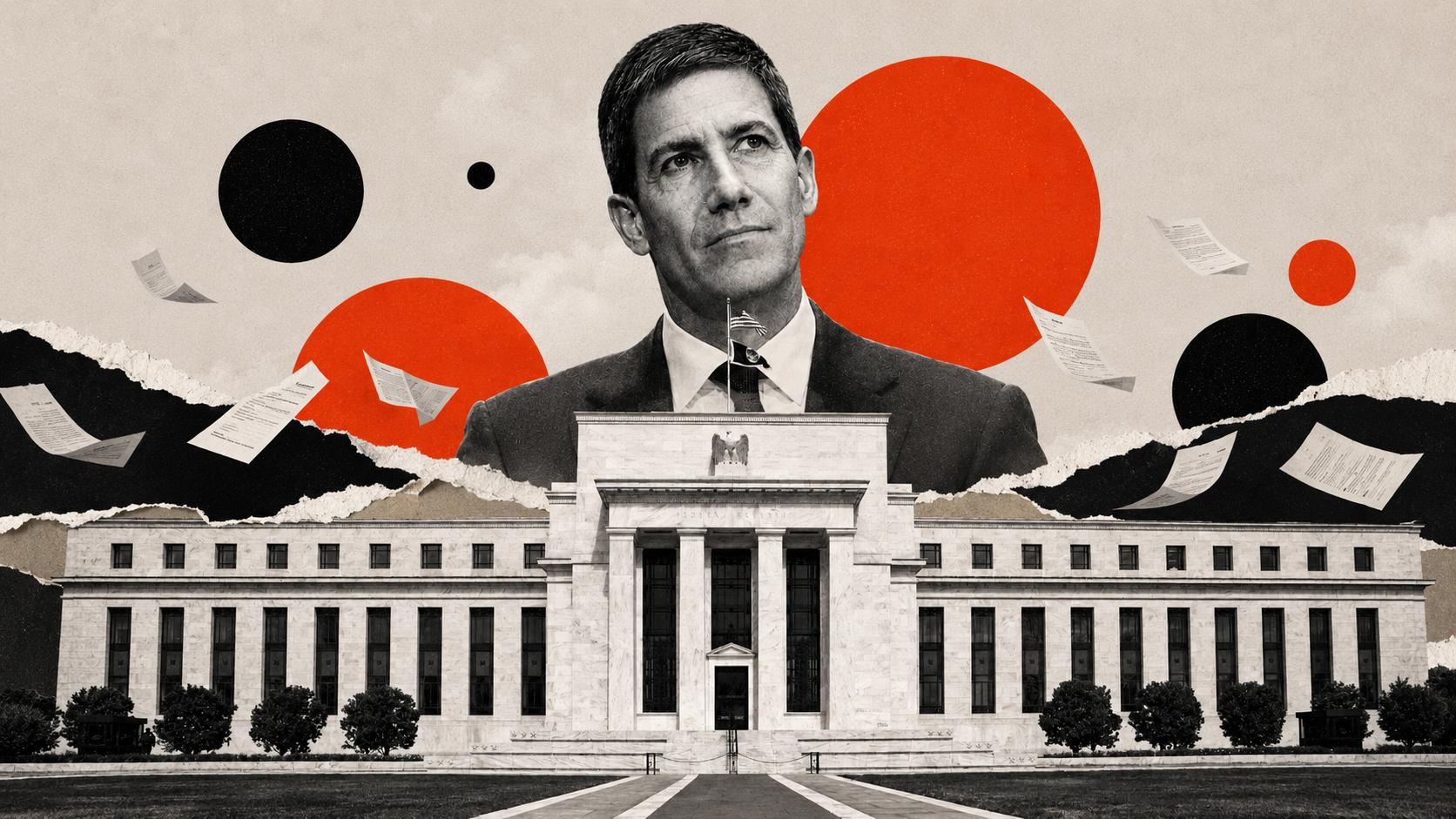
The US Dollar (USD) has been exhibiting a slightly softer trend on Wednesday, influenced by recent drops in US Treasury yields and some cautious remarks from New York Fed President John Williams. The Dollar Index (DXY), which gauges the value of the Greenback against a basket of currencies, has retreated to 101.20 from two-month peaks above 101.60 on Tuesday, yet it remains on track for a 1.8% monthly increase.
Financial experts at prominent global banks attribute the US Dollar's upward trajectory to high US Treasury yields, escalating oil prices due to the Middle East conflict, and the Federal Reserve's (Fed) pledge to combat inflation. Most analysts anticipate the US Dollar to continue its rise through the end of the year. ING Bank highlights that the US Dollar's appreciation on Tuesday was primarily due to persisting high yields, which dampen risk sentiment, particularly for low-liquidity currencies with higher risk.
While ING expects some relief from the Dollar rally, they caution that it is premature to conclude the peak has been reached. OCBC Bank points to a robust labor market indicated by declining jobless claims and suggests that a stronger-than-expected employment report could further bolster Fed rate hikes, maintain elevated Treasury yields, and support the USD.
Rabobank notes that USD net long positions are stable, with equal increases in both long and short positions. Rabobank also mentions that investors are still expecting over three Fed rate hikes by year-end. MUFG/BTMU analysts highlight that the Fed's rate market now anticipates an additional 100 basis points in rate hikes this year, a move that bolsters the US Dollar's attractiveness due to higher energy costs and a more aggressive Fed tightening path.
The Federal Reserve's core mission is to maintain price stability and promote full employment through interest rate adjustments. The Fed's decision-making process occurs during eight meetings per year, where the Federal Open Market Committee (FOMC) evaluates economic conditions and implements monetary policy. The FOMC includes twelve officials from the Federal Reserve, the New York Fed, and regional Reserve Banks.
In extreme cases, the Fed may employ Quantitative Easing (QE) to stimulate the financial system, which typically weakens the US Dollar. Conversely, Quantitative Tightening (QT) strengthens the US Dollar. Gold is consolidating near the $4,200 mark, benefiting from lower US bond yields and aiding the commodity's value.
Written by urgent.news from FXStreet's reporting — not their text. Machine-written — may contain errors; check the original before relying on it.