Elder fraud is rising – here’s how to protect your family
Elder fraud – where seniors are deliberately targeted due to this demographic having lower rates of tech literacy – is becoming a growing problem in the US. According to Incogni’s analysis of FBI data, 72% of elder fraud cases in 2024 were enabled by victims’ personal data being exposed online, accounting for $4.2 billion in losses. more…
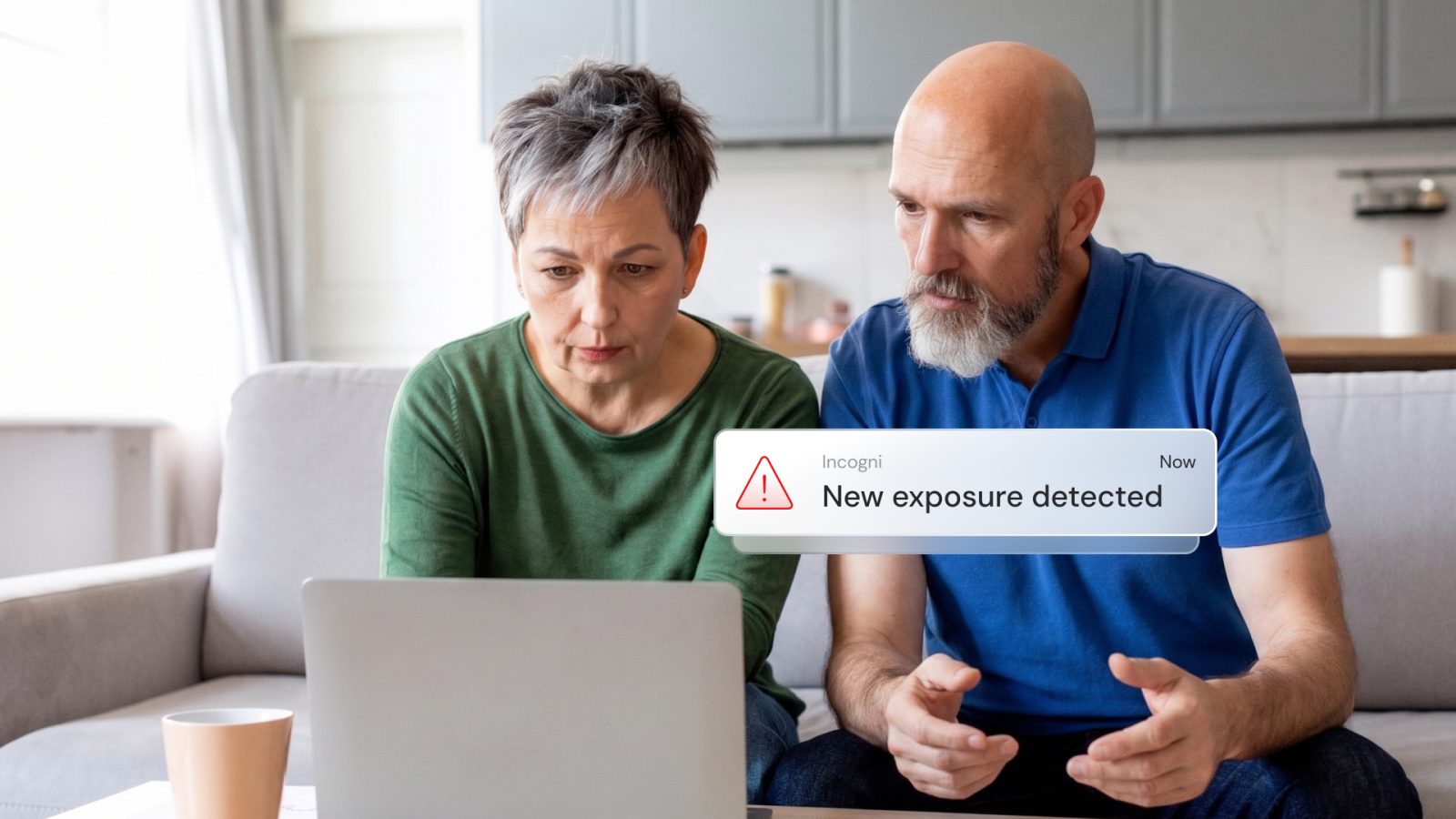
Elder fraud is on the rise in the United States, according to Incogni's analysis of FBI data. Scammers exploit victims' personal data found online, resulting in $4.2 billion in losses. Family chat groups provide a treasure trove of information for scammers to impersonate family members in distress. Scammers employ various tactics, such as SIM swaps, which enable them to receive SMS-based two-factor authentication codes.
They use this access to gain control over family chat groups and manipulate victims. To protect against elder fraud, first, minimize the personal data scammers can find online, and Incogni can help with this task. Second, enable two-factor authentication (2FA) for all messaging apps and social media platforms. Opt for authenticator apps instead of text message codes to enhance protection.
Finally, verify the identity of family members through alternative communication channels if they claim to be in distress. Agreeing on a secret family password and using it during emergency calls adds an extra layer of security against scammers. A special offer provides a 55% discount on Incogni subscriptions for 9to5Mac readers using the exclusive code "9TO5MAC."
Written by urgent.news from 9to5Mac's reporting — not their text. Machine-written — may contain errors; check the original before relying on it.