Education Minister calls for evidence-based response to learning crisis in West Africa
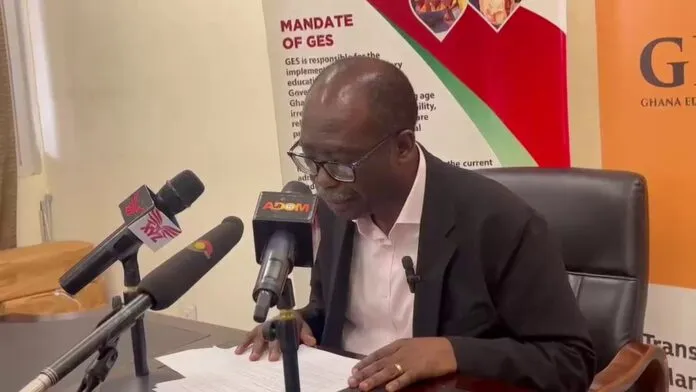
Haruna Iddrisu, the Minister of Education, on Tuesday urged policymakers, researchers and development partners to use evidence to guide investments in addressing the learning crisis in West Africa.
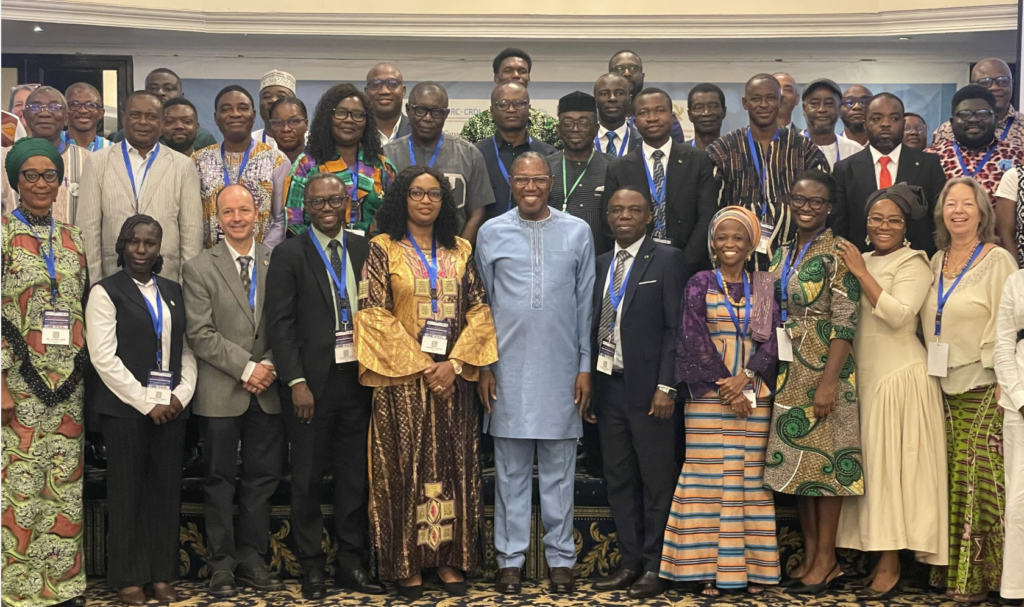
Education Minister Haruna Iddrisu called on policymakers, researchers and development partners to base their investments in tackling the learning crisis in West Africa on solid evidence. He warned that acting without evidence could squander limited resources and fail the children the interventions aimed to help. The statement came during the opening of the Second High-Level Conference on Education in Emergency (ACCELERATE+) at the La Palm Royal Beach Hotel in Accra, organized by civil society group Associates for Change.
The conference, co-hosted by Nigeria's CSEA and Burkina Faso's CERFODES, gathered key stakeholders to find ways to minimize disruptions to education access in the region. Iddrisu said the timing of the conference was crucial, given the region's ongoing disasters and conflicts that have interrupted education. He urged researchers to present their findings in clear, timely and usable ways; policymakers to translate evidence into budget decisions; and development partners to align interventions with national priorities and long-term goals.
Iddrisu stressed the importance of investing in building resilience before crises strike, including risk analysis, contingency planning and safe school infrastructure. Dr Leslie Casely-Hayford, Director of Associates for Change, called for innovative solutions to keep children in conflict and emergency situations in school. She emphasized that children should not lose their right to education due to conflict, displacement, school closures or lack of teachers.
The conference focused on West Africa because research showed the region faced serious education challenges amid conflicts. Recent global data shows 72 million children affected by crises are out of school, while 127 million in school still fail to meet basic learning standards due to disrupted education systems, limited resources, and prolonged emergencies.
These disruptions include climate events, internal displacement, community conflict, health crises and socio-economic shocks that hit girls, vulnerable children and marginalized groups the hardest. The figures were taken from the 2023 Education Cannot Wait (ECW) Global Estimates Study.
Written by urgent.news from MyJoyOnline Ghana's reporting — not their text. Machine-written — may contain errors; check the original before relying on it.
This story
This is one outlet's version. Read the fullest account.