Dyson confirms some CameraJet AI toothbrushes faulty due to water seepage
Dyson explained why many of its new AI-powered Dyson CameraJet electric toothbrushes aren't working.
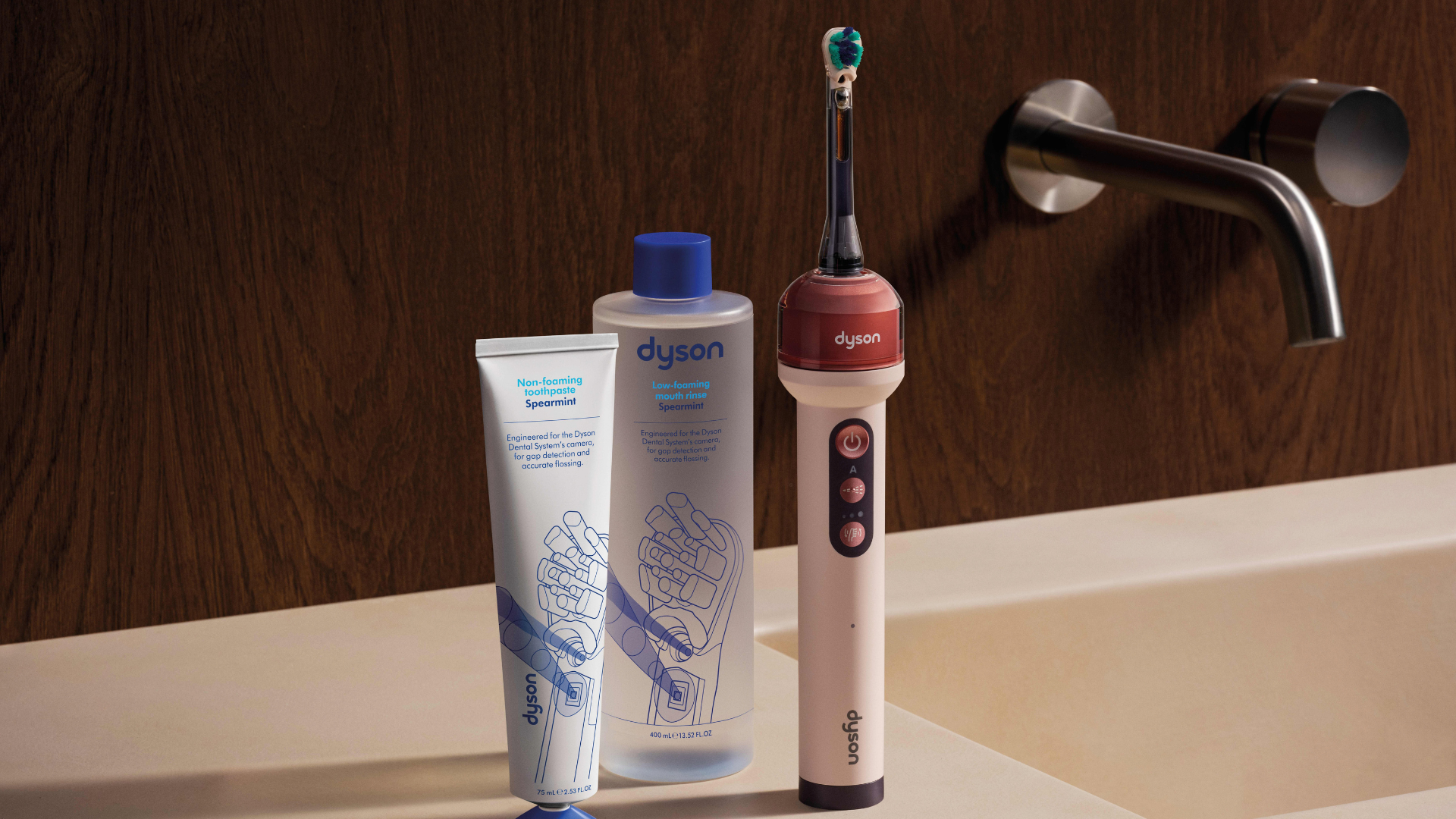
Dyson's AI-powered CameraJet electric toothbrush, launched on September 8, faced a difficult debut due to faulty products. The device, which cost $499.99, boasted an app connection and a camera that analyzed images inside the mouth to identify gaps between teeth and floss them with water jets. However, users quickly reported issues such as leaking tanks and water entering the battery compartment.
Some devices even stopped working within minutes of use. Dyson acknowledged a problem with a single batch of jet tubes, causing potential water seepage and affecting product performance. A Dyson spokesperson expressed regret for the letdown of loyal customers and promised support for those affected. The device's sold-out status on Dyson's website led to speculation that the company had pulled it from sale.
Within weeks, the CameraJet became unavailable for purchase in multiple countries, including the U.S., UK, and Australia. Dyson initially claimed the lack of availability was due to strong demand, but later admitted the company isolated impacted devices in its inventory. The extent of the stock impact remains unclear, but Dyson is working to catch up on production and restock.
Despite this setback, the company faces a significant challenge to counter the poor first impression of the CameraJet.
Written by urgent.news from Mashable's reporting — not their text. Machine-written — may contain errors; check the original before relying on it.