Driving early detection and integrated liver disease management
As chronic liver disease can quietly progress from metabolic dysfunction associated steatotic liver disease to advanced fibrosis cirrhosis and primary hepatocellular carcinoma early detection is becoming a critical lever for timely intervention and more effective disease management
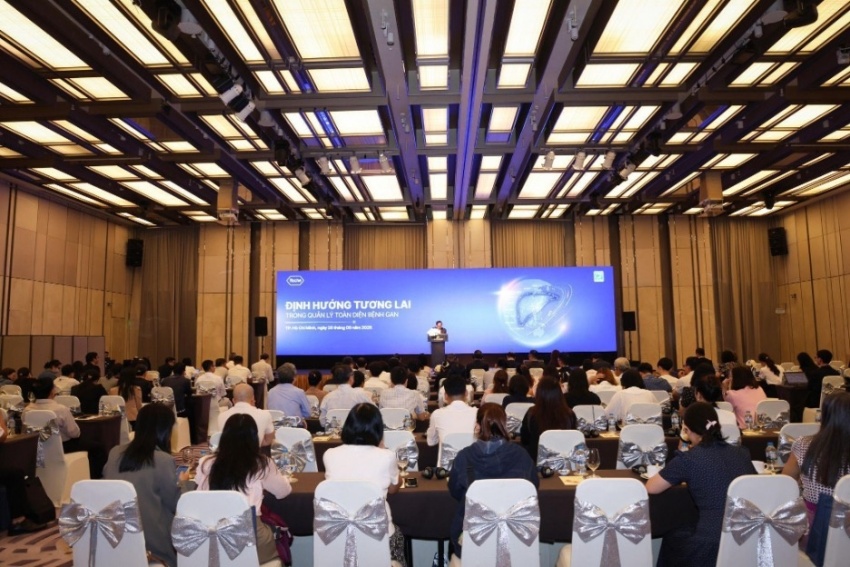
The OneLiver 2026 symposium, held in September in Hanoi and Ho Chi Minh City, convened top experts from various medical fields to address liver disease management. Key issues discussed included early detection, integrated care, and overcoming barriers to diagnosis. Hepatitis B and C, as well as metabolic dysfunction-associated steatotic liver disease, remain major contributors to liver-related ailments in Vietnam.
The disease often progresses silently, with symptoms only surfacing during advanced stages. Early diagnosis through non-invasive blood tests and biomarkers, combined with sophisticated algorithms, can significantly improve patient outcomes by facilitating timely intervention and reducing the need for invasive procedures like liver biopsies.
At the symposium, experts emphasized the importance of combining diagnostic tools and algorithms tailored to individual patient profiles, including factors like age, diabetes status, and platelet count. Such integrated approaches enhance risk stratification, allowing for more precise assessment of liver fibrosis and early detection of hepatocellular carcinoma, particularly in high-risk groups.
Collaboration among medical specialists was also highlighted as crucial for the successful implementation of these strategies, aligning with national healthcare initiatives to enhance primary care, target high-risk populations, and improve overall public health. Roche Diagnostics Vietnam pledged its support for advancing liver disease diagnostics and treatment in Vietnam, aiming to translate scientific breakthroughs into practical solutions that enhance patient care and survival rates.
Written by urgent.news from Vietnam Investment Review's reporting — not their text. Machine-written — may contain errors; check the original before relying on it.