Dollar set for September rise, mainly at euro’s expense
The euro dipped to its lowest since May 2025 at US$1.1312 as higher US interest rates contrasted with energy and debt worries in Europe.
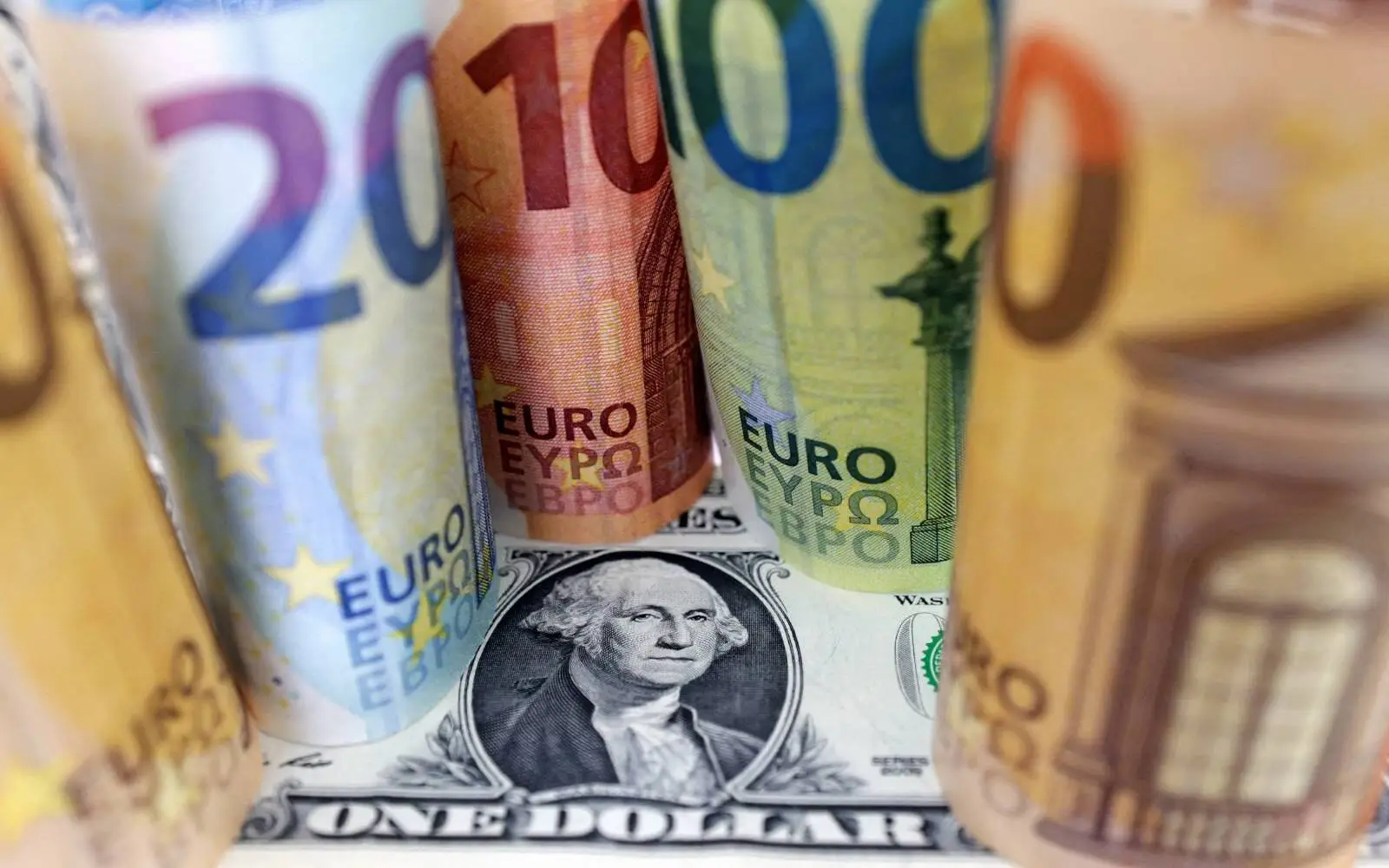
The US dollar reached a 14-month high against the euro on Wednesday, poised for the largest monthly rise against it in 14 months, according to Reuters. This surge was fueled by strong US growth and rising US interest rates, contrasting with the energy and debt concerns in Europe. The euro hit its lowest level since May 2025, trading at US$1.1312 overnight and near US$1.1339 in Asia.
Over the course of September, the dollar has risen nearly 2.5% against the euro, with the Australian dollar also dipping below 70 cents for the first time since early August. Brent Donnelly, president of foreign exchange trading at Spectra Markets, attributed the rise to the US economy's robust performance, Europe's struggles in the AI sector, and energy supply and French political issues plaguing the euro.
European gas prices spiked to their highest since 2022, while French markets faced pressure from debt and political gridlock leading up to next year's presidential election. The spread between German yields and French yields widened beyond 115 basis points, reaching its widest since 2012. The dollar also achieved a 16-1/2-month high against the Swiss franc at 0.8358 francs.
Investors have been seeking low-yielding alternatives to the yen in the search for carry, causing the yen to fall out of favor as a short against the dollar following US-Japan yen buying in July and August. This, combined with warnings against testing the yen's limits and Japan's recent rate hikes, has led to a 1.5% fall in the dollar against the yen in September.
The US Federal Reserve's preferred inflation gauge, US core PCE, is set to release data later on Wednesday, while the focus remains on the upcoming US jobs report on Friday. If the jobs report is strong, it could strengthen expectations for rising US interest rates. New York Fed President John Williams recently stated that there is no urgency in raising rates.
US two-year Treasury yields decreased by about 3.5 basis points, and Fed funds futures pricing for a rate hike next month dipped to 50% from 71%. The Australian inflation figures due later on Wednesday may support the Aussie, which fell after Reserve Bank of Australia Governor Michele Bullock hinted at the possibility of holding rates before announcing a 25-bp hike on Tuesday.
Another potential hike by the RBA in November remains on the market's radar, but another hike is already priced in by traders. The Australian dollar was hovering around US$0.6986 early in the Asia session, 20 pips above its overnight low, while the New Zealand dollar, which hit its lowest since last November, was pinned at US$0.5638.
The British pound touched a three-month low on Tuesday, settling near US$1.3227, and the Chinese yuan headed for its seventh consecutive quarterly gain against the dollar during the final session before China's October 1-7 holidays.
Written by urgent.news from Free Malaysia Today's reporting — not their text. Machine-written — may contain errors; check the original before relying on it.
This story
This is one outlet's version. Read the fullest account.
- Dollar set for September rise, mainly at euro’s expense freemalaysiatoday.com
- Dollar set for September rise, mainly at euro's expense brecorder.com