Distributed AI Could Generate $50 Billion Annually for South Korea by 2035
South Korea could generate more than $50 billion in annual economic value from distributed artificial intelligence by 2035, as AI computing expands from centralized data centers to factories, vehicles, smartphones and robots, according to a new report from global technology policy consultancy Access
A new report from Access Partnership projects that distributed artificial intelligence could generate more than $50 billion in annual economic value for South Korea by 2035. The report, titled "From Cloud to Edge: The Value of Distributed AI in South Korea," explores how AI computing could shift from centralized data centers to diverse locations like factories, vehicles, smartphones and robots.
This distributed AI approach could help South Korea tackle issues such as an aging population, labor shortages and heavy reliance on exports. By combining cloud computing with edge, on-device and on-premise processing, AI workloads can be handled most efficiently depending on factors like latency, privacy, bandwidth, energy use and cost.
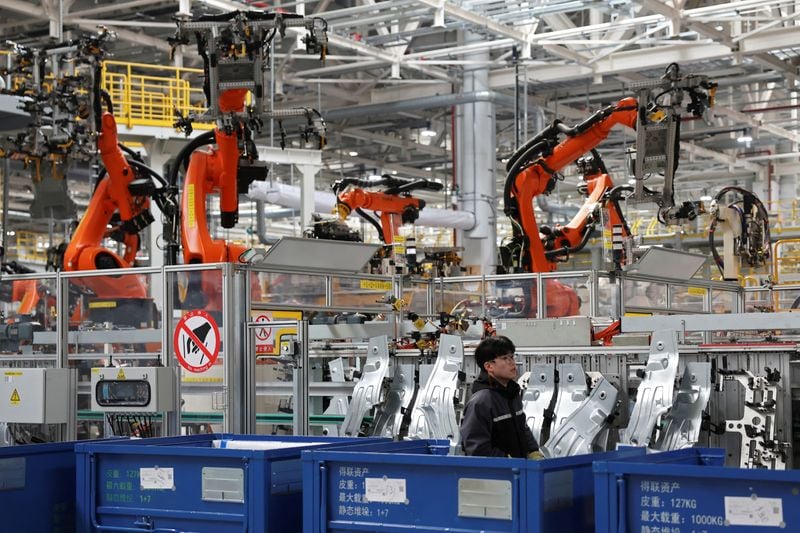
For South Korea, distributed AI could present economic opportunities across industries in which the country already has strong manufacturing capabilities, including semiconductors, smartphones, automobiles, appliances and robotics. In manufacturing alone, autonomous operations powered by distributed AI could create over $23 billion in annual economic value by 2035, improving production efficiency, reducing downtime and addressing labor shortages.
Distributed AI could also strengthen Korean exports by adding AI capabilities to products, creating new product categories and boosting competitiveness. In an aging society, assistive robots could generate more than $5.9 billion annually, providing mobility assistance, fall detection, safety monitoring and conversational companions for older individuals.
To fully realize the economic potential of distributed AI, South Korea would need an additional $18 billion investment over the next decade, along with enhanced infrastructure and global interoperability.
Written by urgent.news from Korea IT Times's reporting — not their text. Machine-written — may contain errors; check the original before relying on it.