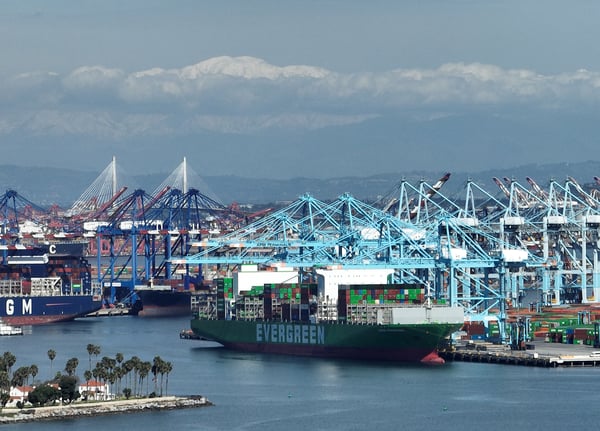
Daimler Truck’s bet on owning the entire autonomous truck system
CEO Karin Rådström said the integrated setup differentiates Daimler Truck from every other player, as its Freightliner and Western Star brands hold 37.8% of the Class 8 market. The post Daimler Truck’s bet on owning the entire autonomous truck system appeared first on FreightWaves .
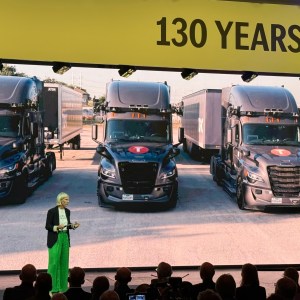
Daimler Truck's Karin Rådström outlined a comprehensive strategy for autonomous trucking, breaking it down into two key components: a chassis with redundancy in steering and braking, and software capable of replacing drivers. The company has split these responsibilities between DTNA, which builds the chassis, and Torc Robotics, its autonomous-driving subsidiary.
Rådström emphasized that this approach sets them apart from competitors, as they are developing the entire autonomous trucking system, from vehicle architecture to autonomous driving software.
Torc aims to test trucks without safety drivers on public roads before the end of the year, with commercial freight operations expected to begin in 2027. They plan to scale operations starting in 2028. The company's first driverless freight will run on long-haul lanes in North America, citing the longer daily distances and higher driver shortages in the U.S. compared to Europe.
Daimler Truck North America holds a dominant market position in the U.S., with 37.8% of the Class 8 market through June, according to their second-quarter investor presentation.
DTNA focuses on developing the autonomous-ready truck platform with built-in redundancy for critical systems, while Torc works on the AI-driven autonomous system, including perception, planning, and driving capabilities. Torc specifies the necessary sensors, while DTNA's global purchasing organization supports purchasing, supplier management, and industrial flow. Installing the autonomy hardware during the manufacturing process is a strong point for Daimler, according to Rådström.
The company's autonomous trucking path to commercialization is divided into three phases: first, expanding the crawl-walk-run approach through the end of the year, increasing hours of operation and road conditions. If successful, they will work on closing edge cases, production readiness, and small-scale commercial freight operations in 2027, aiming to scale operations by 2028.
Written by urgent.news from FreightWaves's reporting — not their text. Machine-written — may contain errors; check the original before relying on it.