Confessions In Police Custody Cannot Become A Substitute For Evidence: SC
It is not difficult for the police to extract a confession from a person in their custody. Few people can withstand sustained pressure, threats or third-degree methods, particularly when they are completely at the mercy of the police. That is why the law has always treated confessions made to the police with deep suspicion. A confession in police custody cannot become a substitute for evidence.…
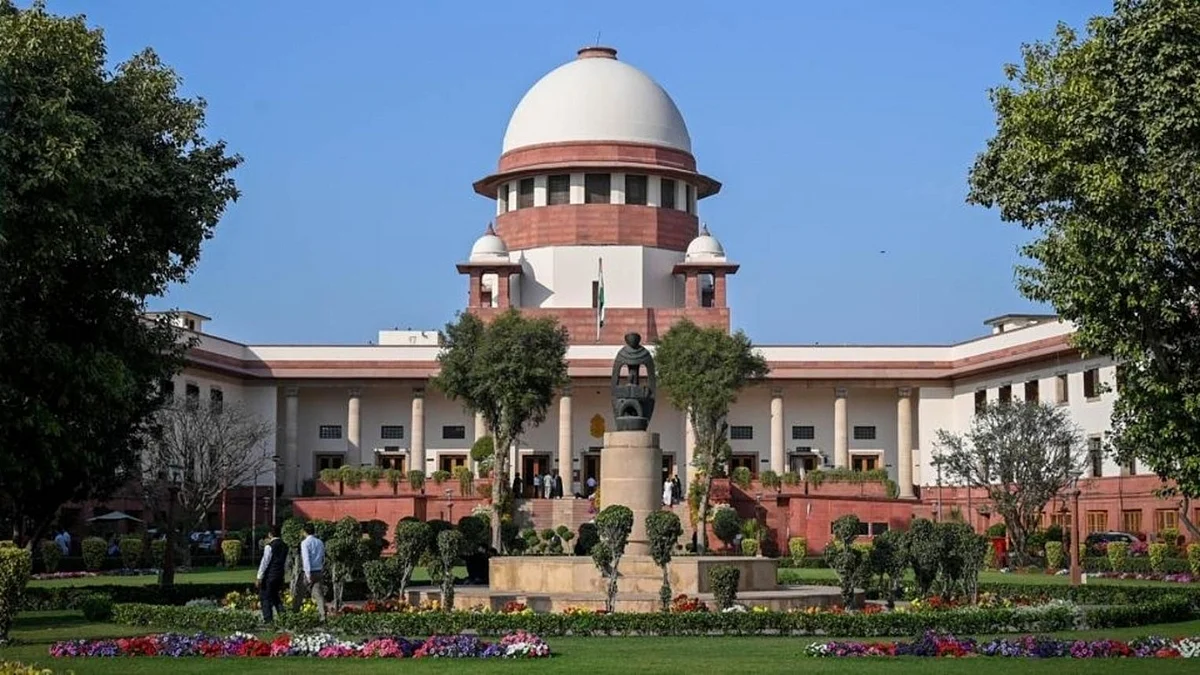
The Supreme Court has emphasized that confessions obtained during police custody cannot replace evidence. In the case of Mulla Afroz, the court quashed the preventive detention order and ordered the Uttar Pradesh government to pay him Rs 10 lakh. The court's ruling comes after a chronological review of Afroz's case, which revealed his arrest 54 days after the Sambhal violence and the prosecution's reliance on a potentially coerced confession.
The chronology of Afroz's case raised significant questions about the legitimacy of the confession and the subsequent preventive detention. Initially, Afroz was not named in the principal FIR, and the prosecution's case was mainly based on the alleged confession. However, the state failed to produce the video evidence that they claimed would prove his guilt.
Despite being granted bail by the Allahabad High Court on September 9, 2025, in one of his criminal cases, Afroz was re-arrested on October 13 under the National Security Act (NSA). The authorities justified this move, partly on the fear that he might commit similar acts. By June 2026, Afroz had obtained bail in all his criminal cases, but the NSA detention remained in place.
The court made it clear that preventive detention cannot be used as a substitute for the ordinary criminal process. If there is evidence of a crime, the police must present that evidence to the trial court. They cannot indefinitely imprison someone fearing that the court may grant bail. The Sambhal violence, while serious, should not be an excuse to bypass constitutional safeguards. The police are responsible for investigating crimes, and the courts are responsible for determining guilt and imposing punishment.
The case of Mulla Afroz serves as a warning that extraordinary powers, such as preventive detention, cannot become shortcuts to circumvent the ordinary law. The Rs 10 lakh compensation awarded to Afroz is a clear indication that using such powers to undermine the ordinary criminal process is not acceptable. The police can only investigate and produce evidence; they cannot punish.
Written by urgent.news from Free Press Journal's reporting — not their text. Machine-written — may contain errors; check the original before relying on it.