China's weak soybean demand dims prospects for US cargoes after tariff snub
BEIJING/SINGAPORE: China’s soybean buying is likely to decline in the months ahead due to weak animal feed demand and negative crush margins, leaving little room for US cargoes as they were excluded from proposed tariff relief after last week’s Washington summit. China is set to lower tariffs on a broad range of US farm products, but soybeans, its biggest US agricultural import, were excluded…
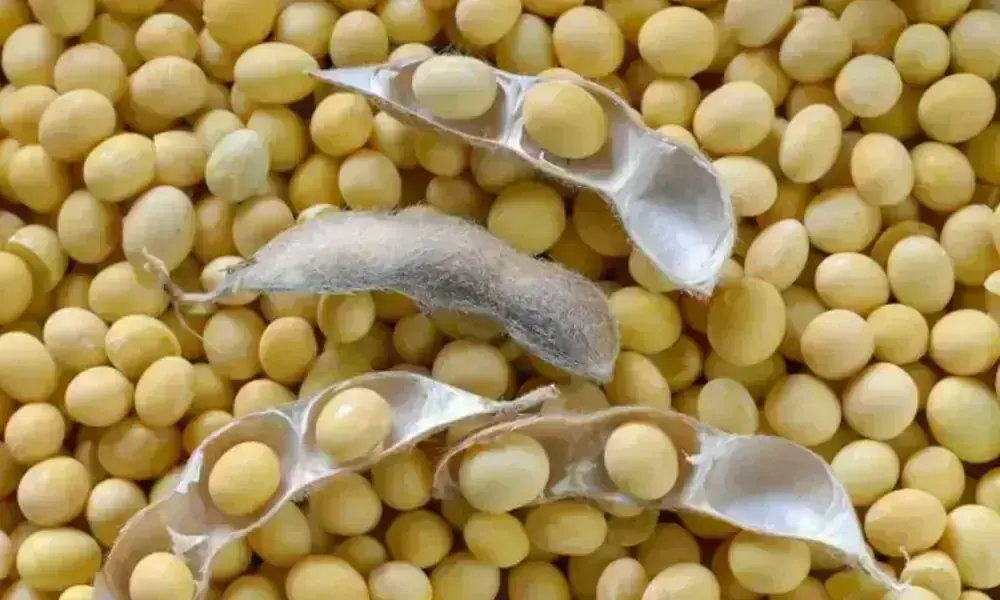
China's demand for soybeans is anticipated to decrease in the coming months due to weak demand for animal feed and unprofitable crushing margins, limiting opportunities for US shipments. While China's President Xi Jinping and US President Donald Trump discussed potential tariff relief during a recent summit, soybeans were notably omitted from the list.
Chinese oilseed processors, the world's largest importers of soybeans, satisfied a significant portion of their needs with supplies from Brazil, Argentina, and state reserves by the Lunar New Year in February. A senior executive at a Chinese oilseed processing company stated that they have secured all of October and a significant portion of November shipments from Brazil and Argentina, with no interest in acquiring additional purchases that would incur losses.
State companies have purchased approximately 13.7 million metric tons of US soybeans since a trade deal in May. However, private crushers have only acquired South American shipments. US soybeans continue to face an additional 10% tariff since the beginning of the trade war between Beijing and Washington, rendering them unprofitable for commercial buyers.
Brazilian soybeans are currently priced at par with US cargoes, excluding tariffs, at approximately $590 per ton, including costs and freight, according to a senior Chinese crushing executive and an Asian-based trader. Benchmark Chicago soybean futures have declined by 1.5% this week, and it is anticipated that the market will experience additional losses as the US harvest approaches its peak and China is expected to reduce its purchases.
Weakening demand and weak margins have led to crushing margins for soybeans scheduled for November shipment from the US Pacific Northwest and Gulf regions being in the red, with Brazilian soybeans experiencing losses as well. Chinese crushing plants are holding high inventories and predicting a decline in fourth-quarter feed demand, driven by a shrinking sow herd due to government efforts to curb hog industry overcapacity.
Chinese crushing plant inventories reached 7.96 million tons in the week of September 25, the highest in at least 15 years. In Sinograin's latest auction of imported soybeans, only 37.3% of the 514,000 tons offered were sold, indicating a weak buying appetite in the market. Chinese buyers made around 50 soybean purchases in the first three weeks of September, the lowest in four years, with state-run COFCO and Sinograin accounting for about 30 US cargoes, while private buyers purchased the remainder from Brazil and Argentina.
According to Johnny Xiang, founder of AgRadar Consulting based in Beijing, unless margins improve, commercial buyers are unlikely to make further overseas purchases. If supplies tighten, buyers may opt for reserve auctions or idle plants for maintenance instead of importing more beans.
Written by urgent.news from Business Recorder's reporting — not their text. Machine-written — may contain errors; check the original before relying on it.