China soll endlich mehr europäische Güter kaufen, weil sonst die Zukunft des Kontinents auf dem Spiel steht
In der kommenden Woche reist der EU-Handelskommissar Maros Sefcovic nach Peking. Fast ultimativ verlangt er von China Zugeständnisse beim Handel. Doch wie will er diese Forderung durchsetzen?
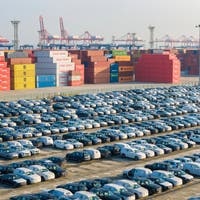
In the coming week, EU Trade Commissioner Maros Sefcovic will travel to Beijing in a bid to convince China to address its high trade surplus with the EU. The mission, described with an alarming figure, aims to create tangible results during his visit. The trade deficit between Europe and China stands at a staggering €1 billion per day.
Sefcovic has warned that this issue is not merely about Europe's industries, but rather the continent's social model. China's subsidies for key industries threaten to leave countless European businesses in the lurch, potentially turning regions into industrial wastelands. The EU and its member countries are increasingly concerned about becoming ever more dependent on China's industrial might.
Sefcovic seeks to convince China to sell fewer products to Europe and open its own market more. However, he is under immense pressure from member states demanding action from the EU Commission, yet far from unanimous on what to do. Germany and France are working on a joint strategy, but its success remains uncertain. Germany relies significantly more on China economically, exporting €81 billion worth of goods there, compared to France's €25 billion.
Germany warns that if trade disputes escalate between the EU and China, a different approach may become necessary. China appears to threaten retaliation, recently promising a "decisive response" if the EU restricts market access for Chinese products. China's economy relies heavily on the EU as a sales market, lacking viable alternatives.
The country's internal real estate crisis, with ongoing inflation, exacerbates the situation. European policymakers urge China to revalue the Renminbi, but this could further deflate China's economy. Meanwhile, the EU has little leverage to demand concessions from China. Industry representatives propose reversing the burden of proof for EU firms to maintain market access, as well as expanding anti-dumping measures to cover more product categories.
However, these measures are expensive and time-consuming, with lengthy investigations and overburdened EU specialists. Industry demands more anti-dumping staff, but this conflicts with the EU's need to reduce personnel costs. Ultimately, Europe resorts to appealing to China's long-term interests, arguing that the country's industry is so dependent on the European market that Beijing is playing with fire by imposing economic pressure through trade barriers.
Written by urgent.news from NZZ Wirtschaft's reporting — not their text. Machine-written — may contain errors; check the original before relying on it.