Burundi agrees to accept third-country deportees from US
By: Nana Karikari, Senior Global Affairs Correspondent Burundi has agreed to accept individuals deported from the United States despite having no previous ties to the East African nation. A spokesperson for the Burundi presidency confirmed the policy shift on Tuesday during an official gathering in Ngozi. Conditions and Limitations of the Agreement Presidential spokesperson Nancy […]
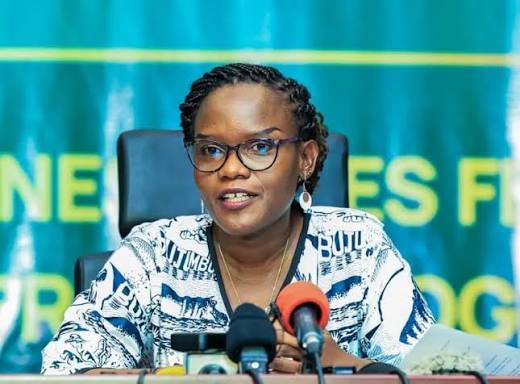
Burundi has agreed to accept deportees who have been sent back to the country by the United States, despite having no prior connections to the East African nation. This policy change was confirmed by the Burundi presidency on Tuesday during an official event in Ngozi. The spokesperson for the Burundi government, Nancy Ninette Mutoni, stated that the country would only accept those not currently facing criminal charges and who do not have ties to terrorism.
However, no specific timeline has been set for the arrivals, nor has the total number of individuals been determined.
Government officials are now working on the necessary arrangements to ensure the proper integration of these deportees. Mutoni highlighted the significant planning required, including the provision of accommodation, food, and housing arrangements within local communities. The decision to accept these deportees aligns with the broader immigration policy of the Trump administration, which has been focused on increasing third-country removals as part of their immigration enforcement strategy.
This involves transferring individuals to nations where they have no citizenship and have never lived before.
Similar removals have previously sent deportees to other African nations, such as Eswatini and South Sudan. However, the legality of this new policy is currently under challenge following a recent decision by a U.S. appeals court. The court's ruling cancels a scheduled deportation flight carrying about 70 passengers from Louisiana to Burundi, Rwanda, and the Central African Republic.
While the ruling does not outright ban third-country deportations, it requires that individuals facing removal must be given a fair chance to challenge their removals, especially if they have concerns about potential persecution or torture upon arrival.
The U.S. administration defends this approach as a crucial alternative when deportees' home governments refuse to repatriate them. As international scrutiny grows over these transcontinental transfers, diplomats stress the delicate balance between enforcing migration sovereignty and adhering to human rights obligations. Across Africa, regional analysts and civil society groups are discussing the broader implications of hosting third-country nationals, focusing on economic, humanitarian, and diplomatic impacts.
They question the local integration capacities, shared continental responsibilities, and the legal frameworks that govern migration across borders.
Written by urgent.news from GBC Ghana's reporting — not their text. Machine-written — may contain errors; check the original before relying on it.
Also reported by 2 other outlets
- Burundi to take third-country deportees from US sabcnews.com
- Burundi agrees to receive ‘third-country’ migrant deportees from US theguardian.com