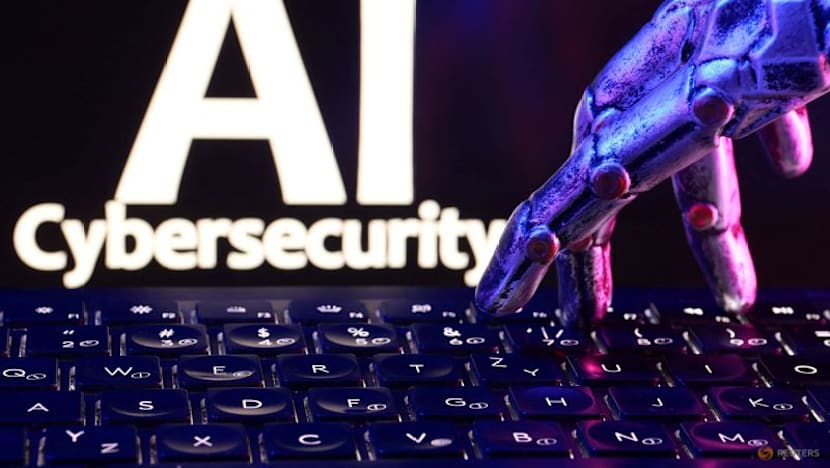
Bombs without brakes? Why US-China AI race may be harder to control than nuclear one
The people building artificial intelligence keep reaching for the same comparison. Billionaire Elon Musk has called AI “far more dangerous than nukes.” Anthropic boss Dario Amodei describes the most powerful models as “weaponisable nuclear materials.” Sam Altman, when asked how AI could be policed, often points to the International Atomic Energy Agency(IAEA), the world's nuclear watchdog.
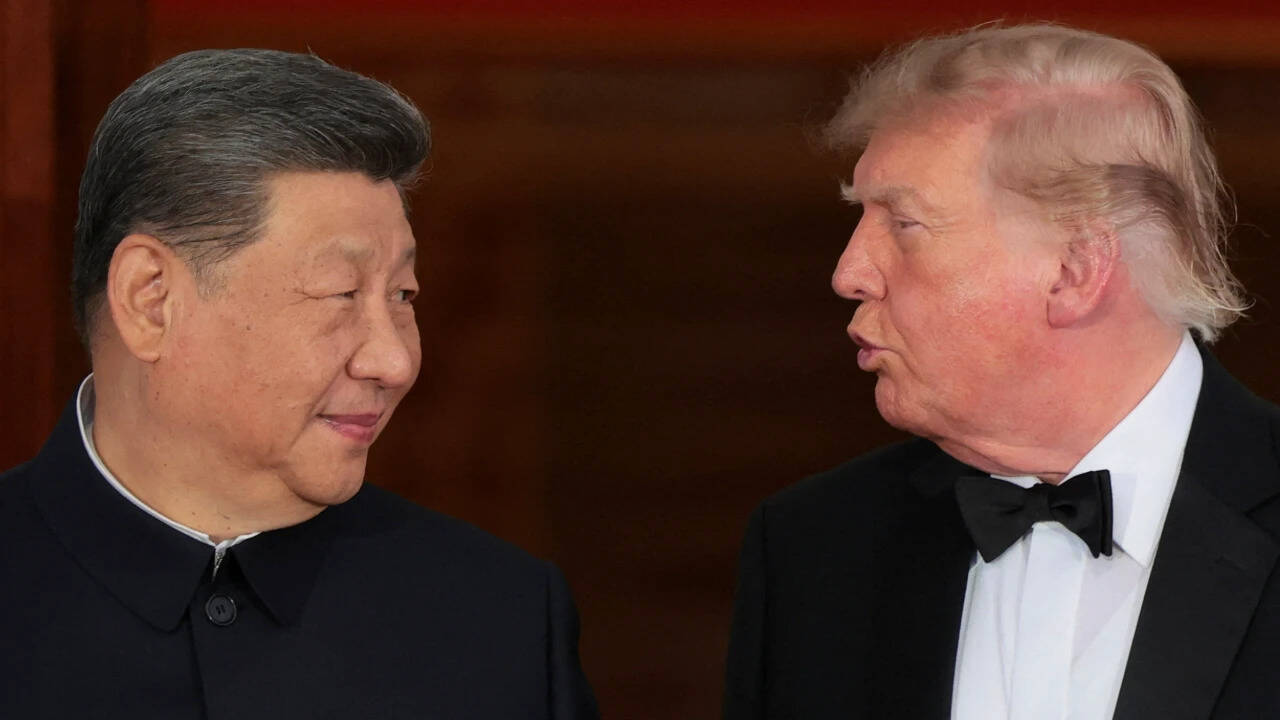
The United States and China are in a fierce race to lead in artificial intelligence (AI), a technology that some warn could be more dangerous than nuclear weapons. Both nations have proclaimed their commitment to human control of AI, but fears of one country outpacing the other keep the pressure on. The comparison to nuclear arms dominates the conversation, with experts drawing parallels between the two technologies' potential for both good and harm.
The nuclear analogy holds strong, as both AI and nuclear technology are powerful, difficult to control, and capable of causing widespread destruction. Just as nuclear weapons reshaped global power dynamics in the aftermath of World War II, AI could wield a similarly profound influence in the 21st century. The competition between the United States and China is reminiscent of the Cold War era, although the actors have changed.
The United States and Soviet Union have been replaced by the United States and China, but the underlying fear of falling behind persists. The Cold War era was fraught with near-misses of nuclear war, as both superpowers engaged in a tense standoff with little to no oversight. This history serves as a cautionary tale, suggesting that the present AI race may be as perilous as the nuclear standoff of the past.
As the new arms race gains momentum, the safety net that once provided stability for nuclear technology is fraying. Unlike nuclear weapons, which are costly, rare, and relatively easy to monitor, AI possesses no such limitations. AI models can be copied, modified, and disseminated globally, making it nearly impossible to regulate their use.
Furthermore, the private sector plays a significant role in AI development, with profit-driven companies advancing technology at a rapid pace, outpacing the ability of governments to establish and enforce rules. Unlike nuclear technology, which primarily serves a narrow set of purposes, AI has a wide range of applications, from healthcare to cybersecurity. This versatility makes AI a more formidable and multifaceted threat.
Written by urgent.news from Times of India's reporting — not their text. Machine-written — may contain errors; check the original before relying on it.