Bintulu and Kemaman: a tale of two ports
Bintulu demonstrates what sustained investment in a strategic port can do for a region, while Kemaman has been dormant and wasteful for many years.
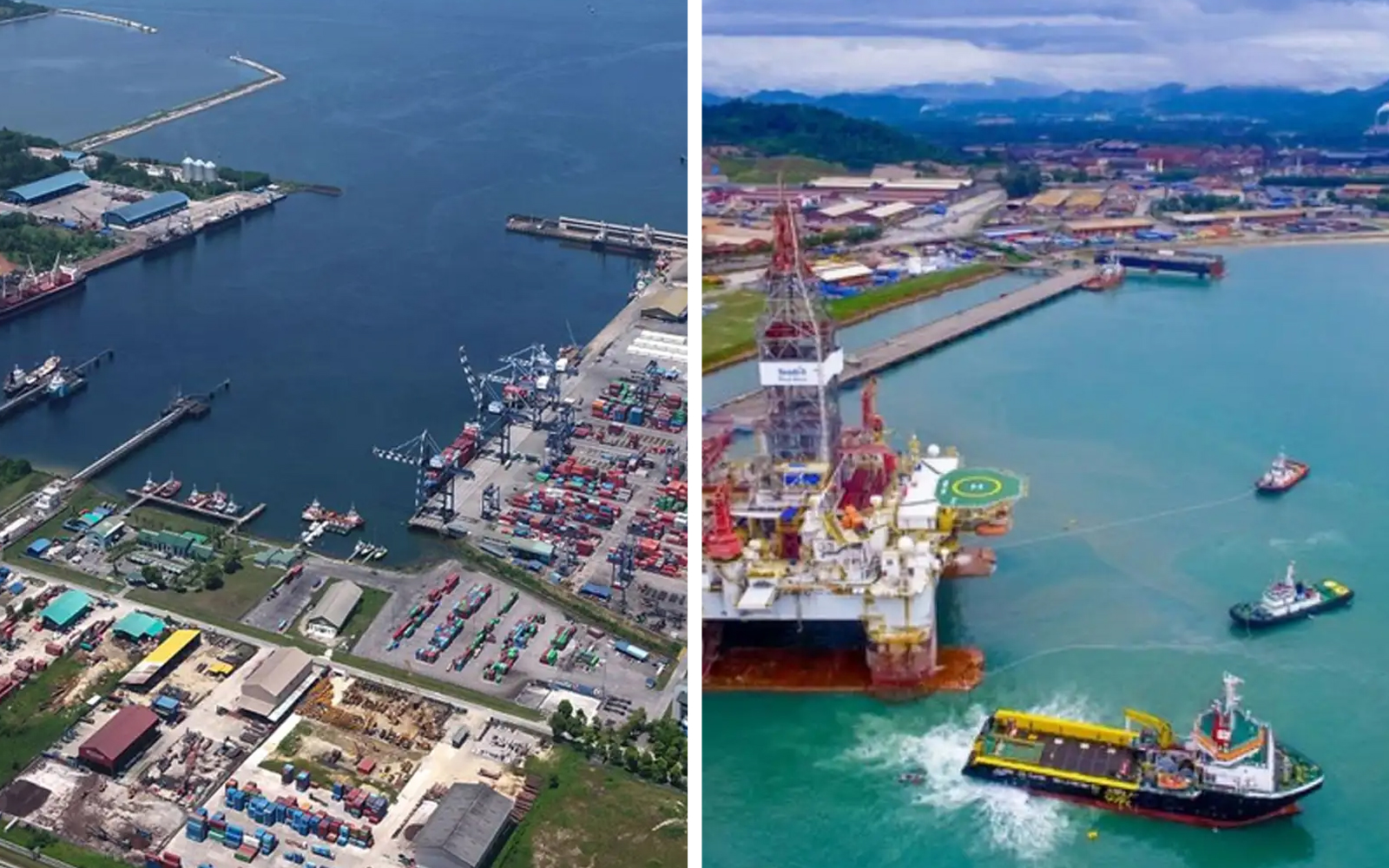
Bintulu Port's return to Sarawak marks more than a change in ownership—it raises significant questions about Malaysia's approach to port development and management across the country. With the Sarawak government now in control, it prompts a broader discussion on whether other states should have greater control over strategically important ports within their borders.
The decision extends beyond mere ownership; it encompasses who makes decisions, who funds the projects, and who ultimately benefits from the economic growth the port generates.
When comparing Bintulu Port in Sarawak with Kemaman Port in Terengganu, the differences become stark. Bintulu's evolution showcases the potential when port development aligns closely with a state's natural resources, such as offshore oil and gas, and industrial ambitions. Constructed in 1978, Bintulu Port has grown alongside the development of the liquefied natural gas (LNG) industry, thanks to the Luconia Basin offshore resources.
This integrated development transformed Bintulu into a major economic hub, handling substantial cargo volumes and fostering numerous industries and infrastructure expansions.
Conversely, Kemaman Port's development under Terengganu's jurisdiction did not unfold similarly. Initially established by the state government in 1978, Kemaman aimed to become a supply base for Terengganu's offshore oil and gas industry. However, federal government priorities shifted, leading to the allocation of large tracts of land to the Perwaja steel project and the East Wharf, rather than supporting Kemaman's intended role.
Despite investing heavily in dredging to accommodate super large bulk carriers, Kemaman's potential remained unrealized due to the collapse of the steel industry and the subsequent decline of iron ore exports. The port now primarily serves as a hub for offshore supply vessels and anchor-handling tugs, with limited cargo handling capacities.
The contrast highlights an important lesson: ports are more than mere maritime facilities; they can serve as the economic backbone for entire regions. Bintulu's success illustrates how strategic port development, integrated with a state's natural resources and industrial plans, can foster extensive economic growth, employment opportunities, and infrastructure improvements. In contrast, Kemaman's stagnation underscores the risks of state ports being overshadowed by federal interests and neglect.
Furthermore, the issue of financial support is critical. The 5% oil royalty payment, owed to Terengganu under the oil royalty agreement, is essential for the state to invest in its economic future. Without this revenue, Kemaman Port remains underutilized, unable to fulfill its potential as a major economic asset. The federal government's role should shift from centralized control to fostering state autonomy, allowing states like Terengganu to leverage their resources for development while the federal government focuses on national infrastructure projects.
Only by devolving financial responsibility and decision-making authority can Malaysia achieve balanced regional development.
Written by urgent.news from Free Malaysia Today's reporting — not their text. Machine-written — may contain errors; check the original before relying on it.
Also reported by 1 other outlet
- Bintulu and Kemaman: a tale of two ports freemalaysiatoday.com