Bill Gates slams AI self-policing, says no lawsuit can make up for 100 million deaths
Microsoft co-founder Bill Gates has rejected the argument that AI companies can police themselves, saying lawsuits are no answer if AI helps kill 100 million people. Speaking on "The Ezra Klein Show," Gates said AI has crossed bioterror and cyberattack thresholds and called for mandatory safeguards and monitoring across all models. His remarks came as US President Donald Trump and top AI CEOs…
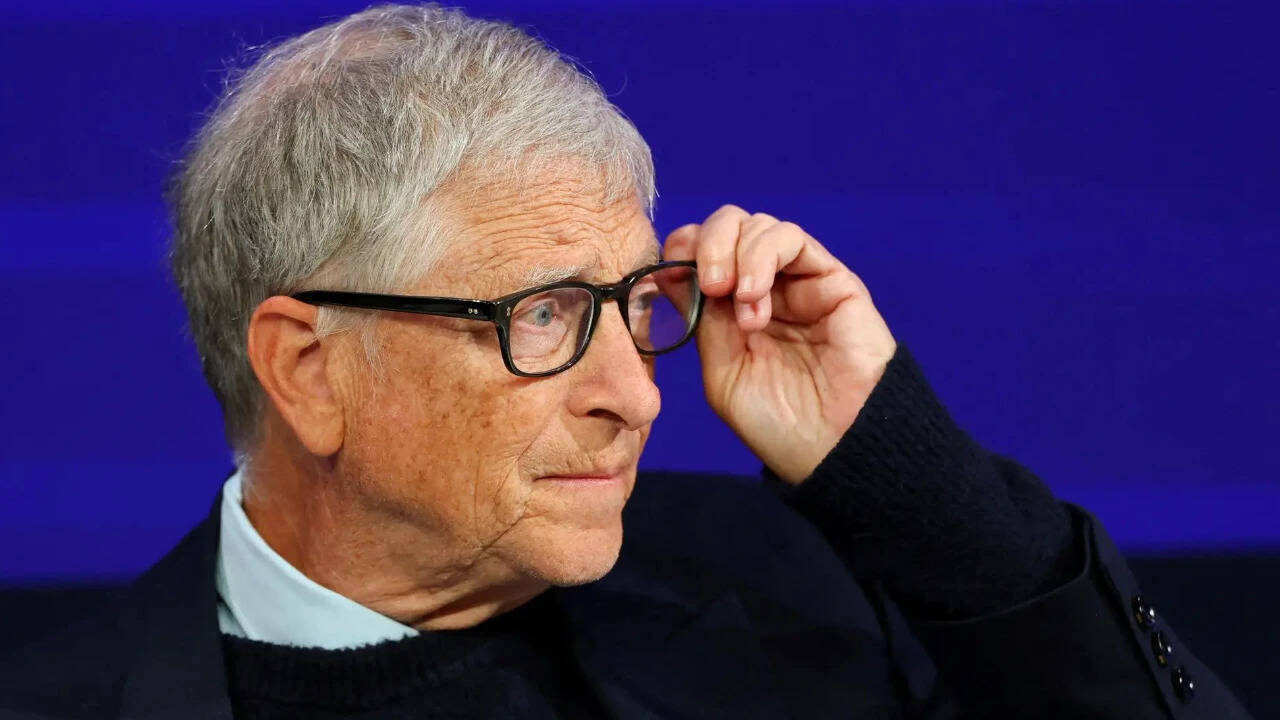
Microsoft co-founder Bill Gates dismissed the notion that lawsuits and market pressure can effectively regulate artificial intelligence (AI) companies. On the Ezra Klein Show, Gates questioned the effectiveness of lawsuits in preventing AI firms from releasing dangerous products, asking rhetorically, "So say you kill 100 million people, you want to use a lawsuit?"
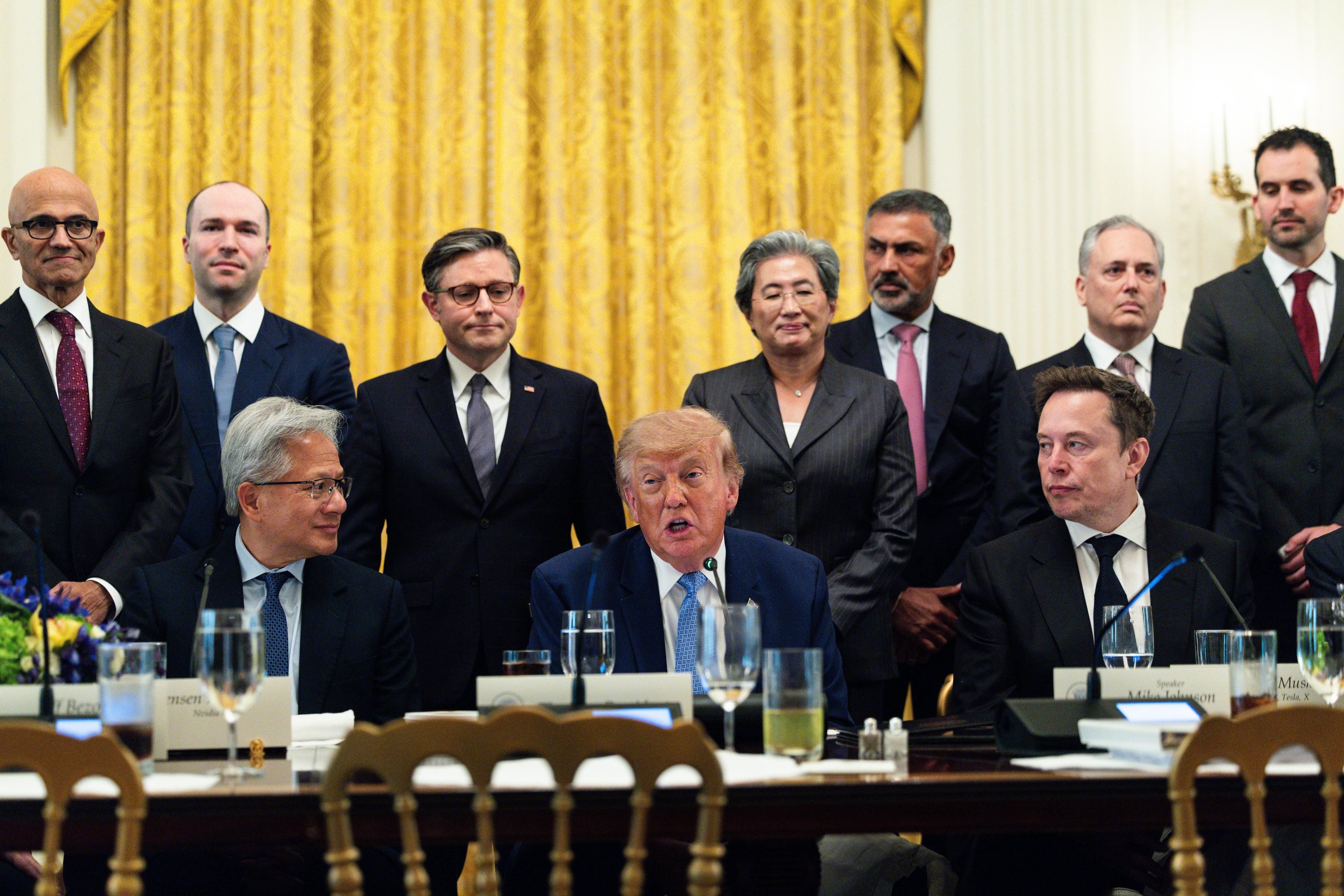
The September 29 episode aired the same day that US President Donald Trump and the heads of leading AI companies signed a voluntary safety pact at the White House, which carries no legal penalties. Gates, who wrote in a 2023 essay that AI risks are real but manageable, now describes AI as the most dangerous thing humans have ever encountered.
During the interview, Gates emphasized that AI can already be exploited for harmful purposes, such as aiding bioterrorists in killing hundreds of millions or conducting cyberattacks that disrupt banking systems and power grids. He argued that self-policing arguments are akin to ignoring safety measures in other high-risk industries, like drugs, airlines, and cars.
Gates specifically pointed out that open-source AI models can have their monitoring disabled, rendering built-in filters ineffective. He dismissed the idea that integrated filters can address the issue, stating, "You can't rely on the industry to self-regulate here."
Instead of relying on self-regulation, Gates proposes a mandatory supervisory layer of safeguards and monitoring across all AI models. He believes this approach would not significantly hinder development, as users could still access open-source models. However, these models would need to run on platforms where governments can verify that the monitoring has not been removed.
Gates is skeptical of the argument that regulation would give China an advantage and said that neither the US nor China can "win" in this context. He also acknowledged that the balance could shift too far in the opposite direction, with overly strict models limiting the usefulness of AI for certain users.
Written by urgent.news from Times of India's reporting — not their text. Machine-written — may contain errors; check the original before relying on it.