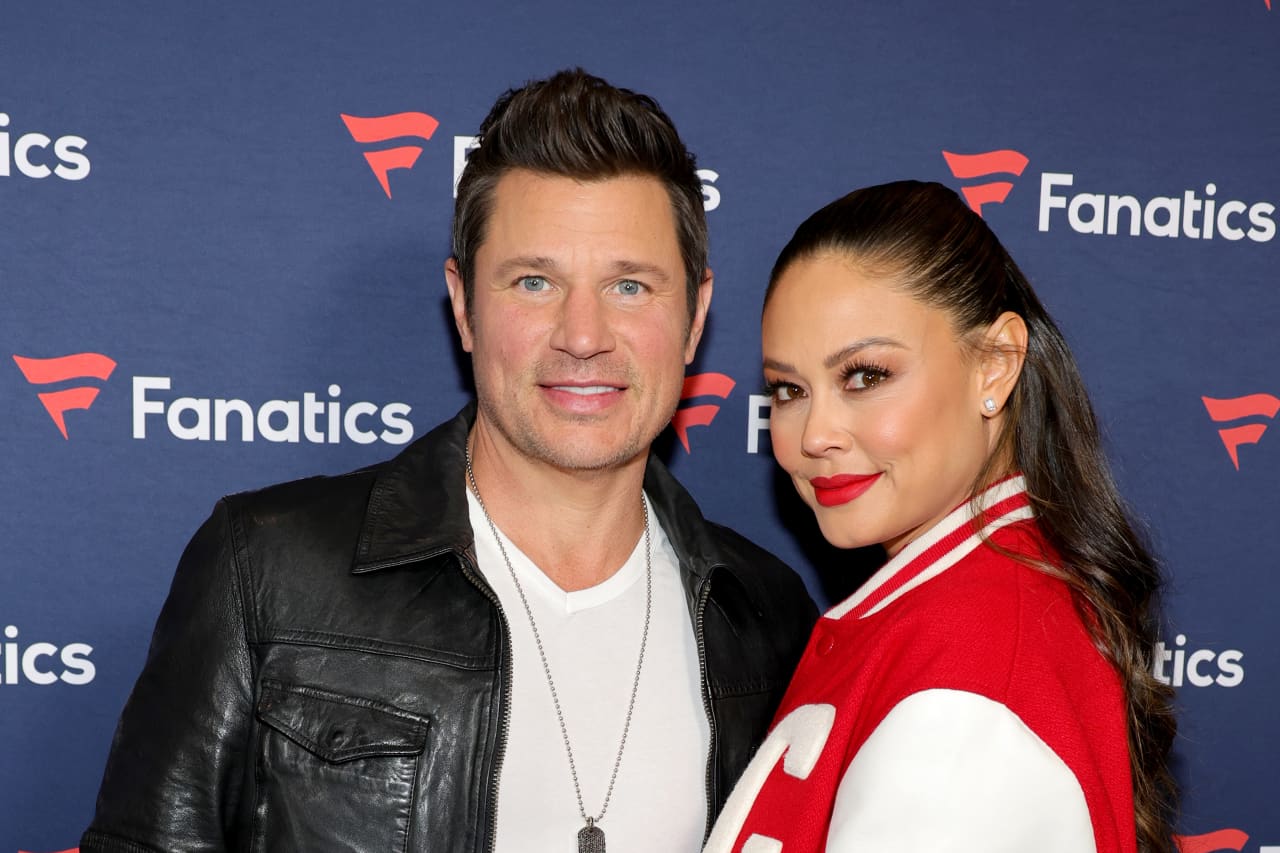
Big companies used to treat retail investors as an afterthought—now, they are at the IPO table
Robinhood’s name among the underwriters for Oura’s IPO is the latest example of retail investors growing influence.
In the past, large corporations often overlooked retail investors when organizing Initial Public Offerings (IPOs). However, recently, a trend has emerged where retail investors have taken on a more prominent role in the IPO process. This shift became evident when Robinhood, an app primarily associated with younger, more speculative investors, was listed as an underwriter for Oura's IPO.
The fact that Robinhood, once known for its casual approach to investing, now holds such a significant position reflects the growing influence of retail investors in the market. The increased interest in retail investing began in 2020 during the pandemic, when many people, confined to their homes, decided to invest their stimulus checks.
This led to notable events like the GameStop short squeeze and the rise of individual investors like Roaring Kitty, who shared their investment strategies on YouTube. Over time, retail investors proved to be more resilient and sophisticated than initially believed. Consequently, Wall Street has begun to value their contributions and has started to include them in the underwriting process, as seen in Robinhood's role in Oura's IPO.
This change has been driven by both the advocacy of retail brokerages and the recognition by companies of the stability that retail investors can provide. They are no longer seen merely as a means to fill an IPO order book but as a crucial source of loyalty and long-term value. While Oura postponed its IPO due to perceived market uncertainty, the overall trend underscores the permanence and growing importance of retail investors in the financial landscape.
Written by urgent.news from Fortune's reporting — not their text. Machine-written — may contain errors; check the original before relying on it.